Kashrut
Glatt Kosher: What Does It Mean?
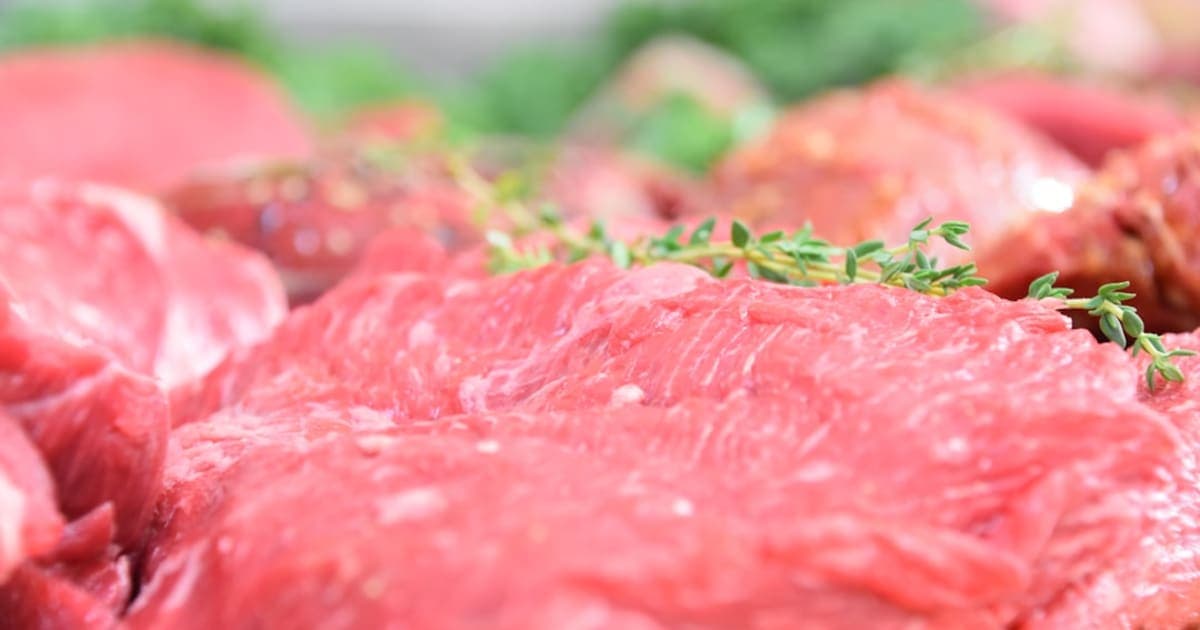
Glatt Kosher literally means "smooth" and refers to the condition of an animal's lungs after slaughter. Learn what this standard really means, why it matters, and how the term has evolved in modern usage.
Glatt Kosher literally means "smooth" and refers to the condition of an animal's lungs after slaughter. Learn what this standard really means, why it matters, and how the term has evolved in modern usage.

Grape juice and wine are both valid for Kiddush, but which is better? Learn the halachic requirements, practical considerations, and when each option is preferred.

Mevushal wine has been heated to maintain its kosher status even when handled by non-Jews. Learn why this practice exists, how it works, and when it matters for your table.

The debate over Jewish-supervised milk vs. regular milk is one of the most practical questions in modern kashrut. Learn the halachic background, the key rabbinic opinions, and how to decide what is right for you.
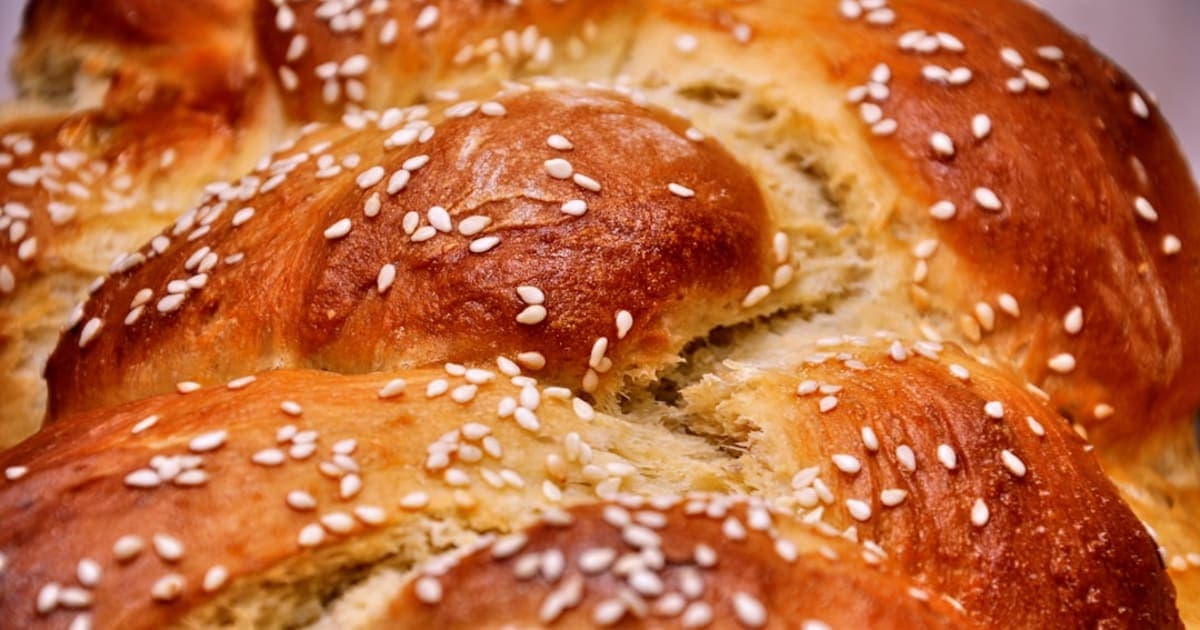
Pas Yisrael means bread baked with Jewish involvement. Learn why this standard matters, how it connects to the Ten Days of Repentance, and what it means for your bread choices.

Bishul Yisrael requires Jewish participation in cooking certain foods. Learn how this ancient law works in modern restaurant kitchens, what the mashgiach does, and what diners should know.

Not every kosher symbol on a package is equally trustworthy. Learn how to distinguish reliable certifications from questionable ones and what to look for when shopping.

A practical guide to reading the kosher symbols on your food. Learn what the major certifications look like, what the letter codes mean, and how to shop with confidence.
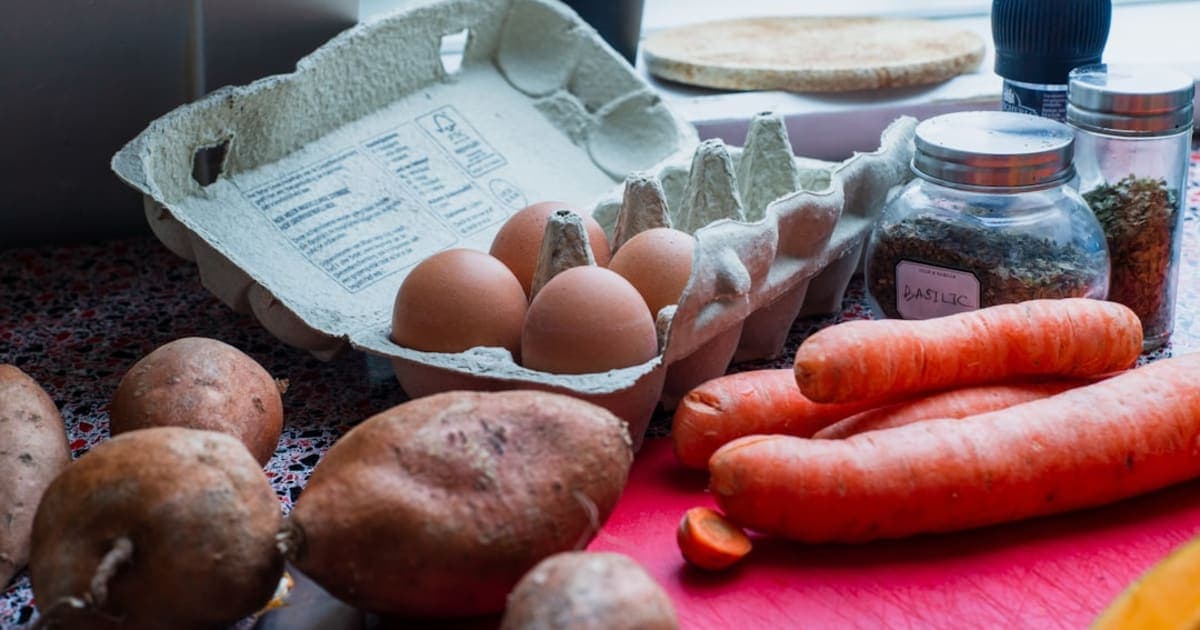
Pareve foods are neither meat nor dairy and can be eaten with either. Learn what qualifies as pareve, the practical rules, and common pitfalls to avoid.

Just as we wait after eating meat before dairy, certain hard cheeses require a waiting period before eating meat. Learn which cheeses are affected and why.

Different Jewish communities wait different amounts of time between eating meat and dairy. Learn about the 6-hour, 3-hour, and 1-hour customs and the reasoning behind each.

Not every kitchen item needs to be dipped in a mikvah. Learn which materials require tevilat kelim with a blessing, which without, and which are exempt.
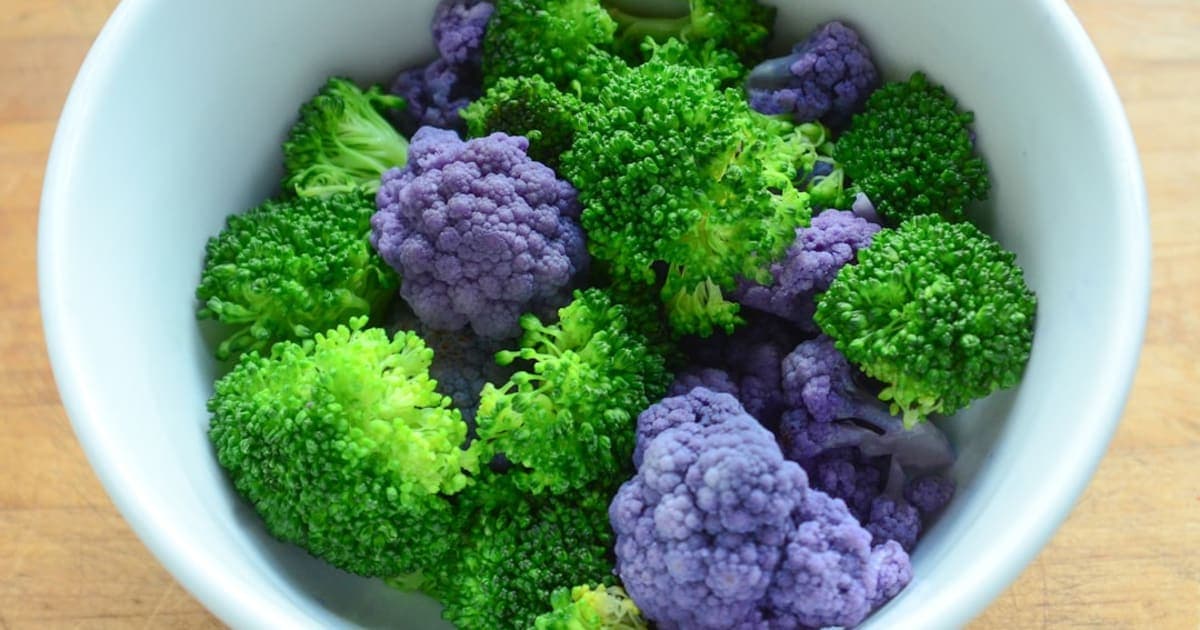
Broccoli and cauliflower are among the hardest vegetables to check. Learn the step-by-step process for inspecting these tricky vegetables according to halacha.

Leafy greens like lettuce, spinach, and herbs often harbor tiny insects. Learn the step-by-step methods for checking them properly according to halacha.

The Torah lists four kosher insects, but only Yemenite Jews maintain the tradition of eating them. Learn about kosher grasshoppers, the halachic requirements, and why this ancient practice nearly disappeared.