How to Check Lettuce for Bugs
Is There Really a Right Way to Wash Lettuce?
For anyone keeping kosher, checking lettuce and leafy greens is one of the most practical, everyday skills you will need. The Torah prohibits consuming insects, and leafy vegetables are among the most common places tiny creatures hide. But do not worry -- with the right method and a little practice, you can enjoy fresh salads, herbs, and greens with confidence.
This guide covers the major methods for checking lettuce and other leafy greens, so you can find the approach that works best for your kitchen.
Why Leafy Greens Need Special Attention
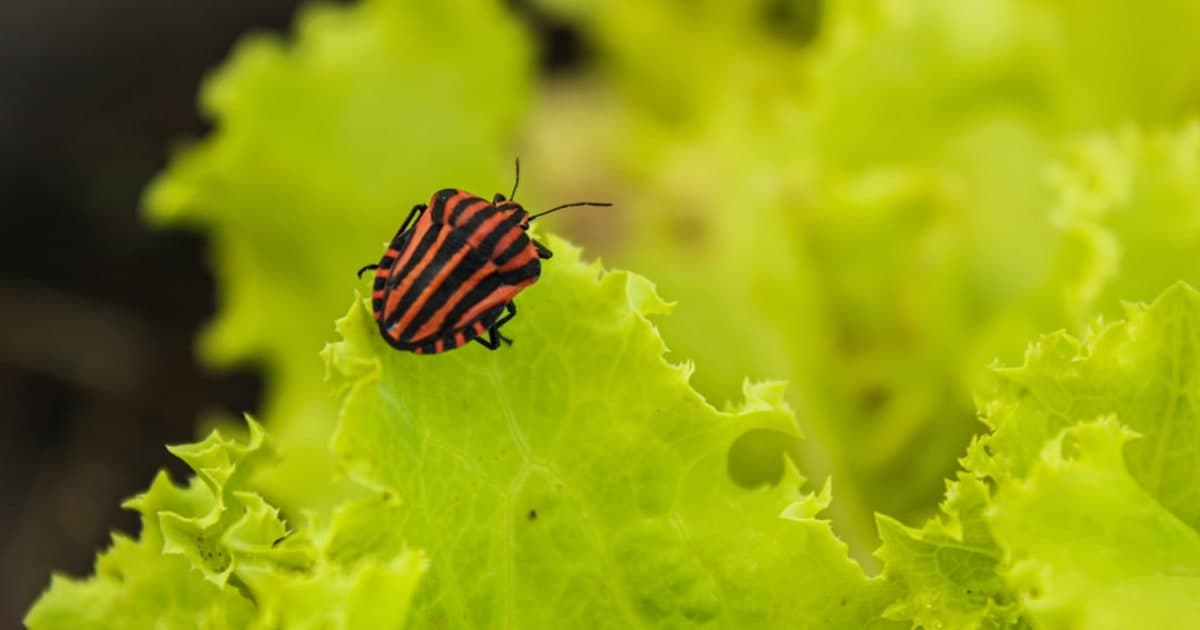
Leafy vegetables like romaine lettuce, green leaf lettuce, spinach, arugula, kale, and fresh herbs are particularly prone to harboring small creatures. These include aphids, thrips, leaf miners, and other tiny organisms that can be difficult to see. The curled, layered, and textured surfaces of leaves create perfect hiding spots.
For a broader overview of which vegetables need checking and why, see our beginner's guide to checking vegetables.
Method 1: The Soak-and-Check Approach
This is the most traditional and widely accepted method:
Step 1: Separate the Leaves
Take apart the head of lettuce and separate each individual leaf. For romaine, pull each leaf off the core. For leaf lettuce, separate the leaves at the base.
Step 2: Prepare a Soaking Solution
Fill a large bowl or clean sink basin with cold water. Add either a few drops of liquid dish soap, a tablespoon of salt per quart, or a commercial vegetable wash. The soap or salt helps dislodge tiny creatures by reducing the surface tension of the water, making it harder for them to cling to the leaves.
Step 3: Soak and Agitate
Submerge all the leaves in the solution and gently swish them around. Let them soak for two to three minutes, agitating occasionally. This loosens any creatures and washes them off the leaf surfaces.
Step 4: Rinse Each Leaf
Remove each leaf individually and rinse it under running water, gently rubbing both sides of the leaf to remove any remaining debris or creatures. If you used soap, make sure to rinse it off thoroughly.
Step 5: Inspect Each Leaf
Hold each leaf up to a bright light source (sunlight, a bright kitchen light, or a dedicated inspection lamp). Examine both the top and bottom surfaces, paying special attention to:
- The center vein and branching veins (creatures often hide along these)
- Any curled or folded portions of the leaf
- Damaged or discolored areas
- The base of the leaf where it attached to the stem
Step 6: Check the Soaking Water
After removing all the leaves, examine the soaking water by straining it through a white cloth or fine-mesh strainer. Hold the cloth up to the light and look for any tiny creatures. This serves as a quality check -- if you find creatures in the water, you know the lettuce was infested and should repeat the process.
Method 2: The Lightbox Approach
Some people use a lightbox (a flat panel that emits light from below) for inspection:
- Soak and rinse the leaves as described above
- Place each leaf on the lightbox
- The backlighting makes any dark spots (potential creatures) immediately visible
- Remove any suspicious spots and discard them
This method is particularly effective for thin, translucent leaves like baby spinach or arugula.
Method 3: Pre-Washed and Certified Products
Several companies now produce pre-washed, pre-checked leafy greens with kosher certification that specifically includes examination for infestation. These products have been cleaned and inspected under rabbinic supervision, and many observant families rely on them.
When buying pre-checked greens, look for:
- A kosher symbol from a reliable agency
- Language specifically indicating the product has been checked (not all kosher-certified salads have been checked for creatures)
Which Greens Need the Most Attention?
High-Concern Greens (Require Thorough Checking)
- Romaine lettuce -- Very commonly infested; check every leaf
- Green leaf and red leaf lettuce -- Curly surfaces create many hiding spots
- Fresh herbs (parsley, cilantro, dill, basil) -- Small leaves with many crevices
- Spinach -- Both baby and mature spinach can harbor creatures
- Kale -- The wrinkled, textured leaves are very hospitable to small creatures
- Arugula
Moderate-Concern Greens
- Iceberg lettuce -- The tightly packed inner leaves tend to be cleaner; outer leaves need more checking
- Cabbage -- Inner leaves are usually clean; check the outer layers
Lower-Concern Greens
- Endive -- Relatively clean, but still worth inspecting
- Hydroponically grown greens -- Grown in controlled environments with less exposure, but still check
Dealing With Fresh Herbs
Herbs deserve special mention because they are used frequently in cooking and are among the most challenging to check. Here are specific tips:
Parsley and Cilantro
These bunched herbs with small, flat leaves are notorious for harboring tiny creatures. Soak the entire bunch in soapy water, then inspect sprigs individually against a light. Some people prefer to check leaf by leaf, which is thorough but time-consuming.
Dill
The feathery fronds of dill make visual inspection very difficult. Soaking and rinsing thoroughly is essential. Some authorities recommend using only dried dill, which is not subject to these concerns.
Mint and Basil
Check individual leaves against light. The relatively large, flat leaves of basil are easier to inspect than smaller herbs.
Tips for Making the Process Easier
- Good lighting is essential -- Natural daylight is best for inspection. A bright LED desk lamp is a good indoor alternative.
- Use a white surface -- Inspect leaves against a white plate, cutting board, or paper towel so any dark specks are immediately visible
- Do not rush -- Take your time, especially when you are learning. Speed comes with practice.
- Check before Shabbat -- Do your lettuce preparation on Friday afternoon. Checking leaves on Shabbat itself raises halachic questions about the prohibition of sorting (borer).
- Store checked greens properly -- Once checked, store in a sealed container in the refrigerator. If stored properly, they do not need to be re-checked.
- Buy from trusted sources -- Greens from well-maintained farms tend to be cleaner than those from less controlled environments
What If You Find Something?
If you find a creature during inspection:
- Remove it and discard it
- Continue checking the remaining leaves
- If you find multiple creatures, consider repeating the entire soaking-and-rinsing process before re-inspecting
- The presence of one creature does not make the entire batch non-kosher -- it just means that individual leaf (or the creature itself) needs to be removed
The Bigger Picture
Checking lettuce and greens for creatures is one of the most tangible ways that keeping kosher touches daily life. It transforms a mundane kitchen task into an act of mindfulness and religious intention. Every time you hold a leaf up to the light and inspect it carefully, you are participating in a practice that connects you to a tradition stretching back thousands of years.
For guidance on checking other challenging vegetables, see our article on checking broccoli and cauliflower.