Checking Broccoli and Cauliflower
Can You Really Eat Broccoli If You Keep Kosher?
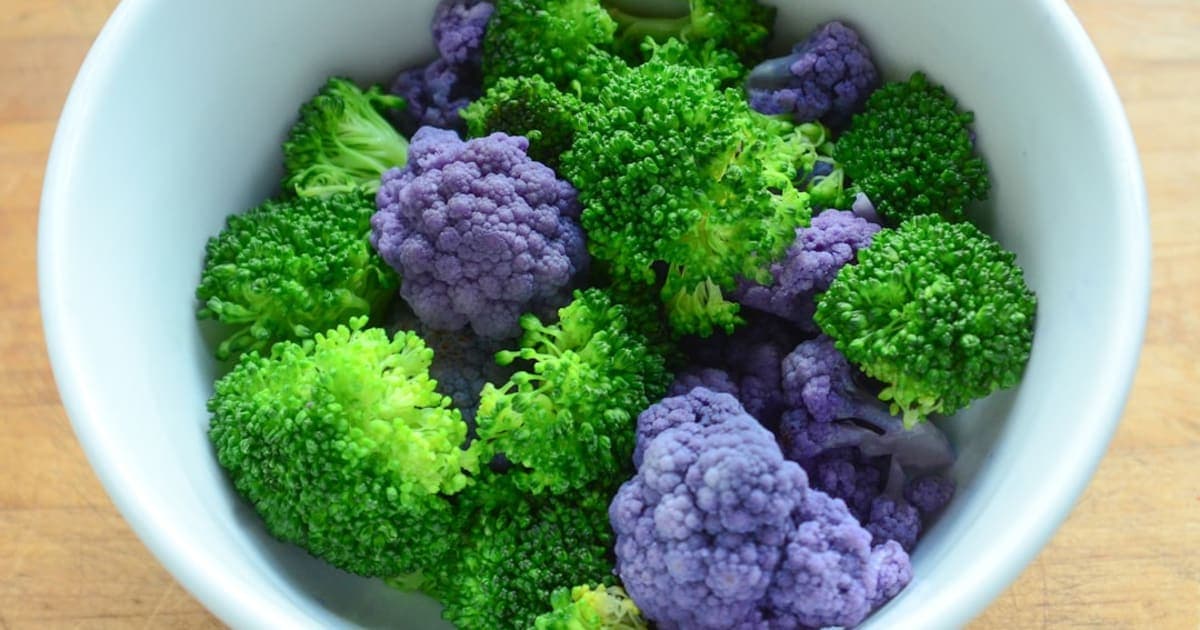
If you have ever heard someone say that observant Jews cannot eat broccoli, you are not alone -- it is one of the most common misconceptions about keeping kosher. The truth is that broccoli and cauliflower are perfectly kosher vegetables. The challenge is not the vegetable itself but the tiny creatures that love to hide in their dense, tightly packed florets.
Checking broccoli and cauliflower is admittedly more involved than checking a carrot or a potato. But with the right technique and a bit of practice, it becomes second nature. This guide walks you through everything you need to know to enjoy these nutritious vegetables while staying true to the laws of kashrut.
Why Are Broccoli and Cauliflower So Challenging?
The issue comes down to structure. Broccoli and cauliflower have complex, tree-like florets with many tiny crevices and surfaces where tiny creatures can hide. The most common culprits include aphids (tiny green or black creatures that cluster in the floret heads), thrips (very small, slender creatures), cabbage worms (small green caterpillars that blend in with the broccoli), and mites found deep in the florets.
These creatures are attracted to cruciferous vegetables and can be present even in organic produce -- in fact, organic broccoli and cauliflower may harbor more since they are not treated with pesticides.
The Halachic Concern
The Torah strictly prohibits consuming these tiny creatures. As we discuss in our guide to checking vegetables, even a single one violates multiple Torah prohibitions. This means any vegetable known to commonly harbor them must be carefully inspected before eating. Broccoli and cauliflower are at the top of this list.
The Three Main Approaches
Approach 1: Check and Eat Fresh
This involves thorough inspection of fresh broccoli and cauliflower using the methods described below. It requires time, good lighting, and careful attention. Many mainstream Orthodox communities follow this approach.
Approach 2: Use Only Frozen Pre-Checked
Several kosher certification agencies now offer pre-checked frozen broccoli and cauliflower. These products have been industrially washed and inspected under rabbinic supervision. For many people, this is the most convenient option.
Approach 3: Avoid Entirely
Some very strict communities avoid fresh broccoli and cauliflower altogether, considering the infestation risk too high for reliable home checking. This is a valid halachic position, though most authorities do not require it.
Step-by-Step: How to Check Fresh Broccoli
What You Will Need
- A large bowl or basin
- Dish soap (a few drops) or vegetable wash
- Salt
- A strong light source
- A white surface or light-colored cloth for inspection
Step 1: Separate the Florets
Cut the broccoli into individual florets, separating them at the stem. The smaller the pieces, the easier it is to inspect them. Do not try to check a whole head intact.
Step 2: Prepare the Soaking Solution
Fill your bowl with cold water and add either a few drops of dish soap or a tablespoon of salt per quart of water. The soap or salt helps dislodge creatures from the florets by reducing the surface tension of the water.
Step 3: Soak for Three to Five Minutes
Submerge all the florets in the solution. Gently agitate them a few times during soaking to help loosen anything hidden.
Step 4: Rinse Under Running Water
Remove the florets and rinse each one under a strong stream of running water. Hold each floret upside down and let the water flow through the floret structure.
Step 5: Inspect Against a Light Surface
Place the rinsed florets on a white plate or paper towel. Using your strong light source, examine each floret carefully -- the top surface, between the tiny flower buds, the junction where the floret branches, and the underside.
Step 6: Check the Soaking Water
Pour the soaking water through a fine white cloth and examine it. If you find anything concerning, repeat the entire process before eating.
Step 7: Repeat if Necessary
If you found anything during inspection, repeat steps 2 through 6. Most authorities say that three rounds of soaking, rinsing, and inspection without finding anything means the broccoli is considered clean.
How to Check Fresh Cauliflower
Cauliflower is somewhat easier to check because its florets are lighter in color, making dark-colored creatures more visible. The same basic process applies:
- Separate into florets -- Break or cut the head into small pieces
- Soak in soapy or salt water -- Three to five minutes with gentle agitation
- Rinse under running water -- Hold upside down, letting water flow through
- Inspect on a white surface -- Look carefully for any green or brown specks
- Check the soaking water -- Strain through a white cloth and examine
- Repeat if needed -- Until a clean soak is achieved
The Frozen and Pre-Washed Option
For many kosher consumers, the easiest solution is to buy frozen broccoli or cauliflower that has been certified kosher and specifically checked. When buying frozen, look for:
- A kosher symbol from a reliable certifying agency
- Specific language about checking on the packaging
- Brands recommended by your local kosher authority
Note that not all frozen broccoli is necessarily checked. Regular frozen broccoli from a non-kosher brand should be treated the same as fresh.
Tips for Making Checking Easier
- Buy in season -- Broccoli grown in cooler months tends to be cleaner
- Choose tightly closed heads -- Tight, dark green florets are less likely to harbor anything
- Store properly -- Refrigerate immediately and use within a few days
- Make it routine -- The more you practice, the faster and more confident you become
A Meaningful Practice
Checking vegetables can feel tedious, especially when you are hungry. But like many aspects of kashrut, it is an opportunity to eat mindfully and with intention. The few extra minutes spent inspecting your broccoli connect you to a tradition that values awareness of what we put into our bodies.
For more guidance on checking other produce, see our guides on checking lettuce and our comprehensive beginner's guide to checking vegetables.