What Is Shabbat and Why Do Jews Keep It?
Why Would Anyone Voluntarily Unplug for 25 Hours Every Single Week?
In our always-on world, the idea of completely stepping away from work, technology, and the daily grind for an entire day -- every week, without exception -- might sound extreme. Or it might sound like exactly the reset you have been craving.
Shabbat (the Jewish Sabbath) is one of the oldest and most transformative spiritual practices in human history. For over 3,000 years, Jews have set aside the seventh day of each week as a day of rest, joy, family, prayer, and connection. It is the only ritual mentioned in the Ten Commandments. It is the most frequently mentioned observance in the Torah. And people who keep it consistently often describe it as the single most life-changing practice they have ever adopted.
So what exactly is Shabbat, and why has it endured for so long?
The Biblical Origins of Shabbat
Shabbat appears in the very first chapters of the Torah. After creating the world in six days, God rested on the seventh day and sanctified it. This makes Shabbat as old as creation itself -- a pattern woven into the fabric of the universe.
The Torah gives two foundational reasons for Shabbat:
- Creation ("Remember"): By resting on the seventh day, we testify that God created the world. We step back from our own creative work to acknowledge a Creator greater than ourselves.
- Freedom ("Guard"): Shabbat also commemorates the Exodus from Egypt. Only free people can choose to rest. By keeping Shabbat, we celebrate the freedom God gave us and refuse to be enslaved by work, money, or technology.
When Is Shabbat?
Shabbat begins every Friday evening, approximately 18 minutes before sunset (the exact time varies by location and is published on local community calendars). It ends on Saturday night when three stars are visible in the sky.
The 25-hour duration creates a complete island in time -- a full day that stands apart from the rest of the week.
What Happens on Shabbat?
Shabbat has two dimensions: what you do and what you refrain from doing. Both work together to create its unique atmosphere.
The Positive: Celebration and Joy
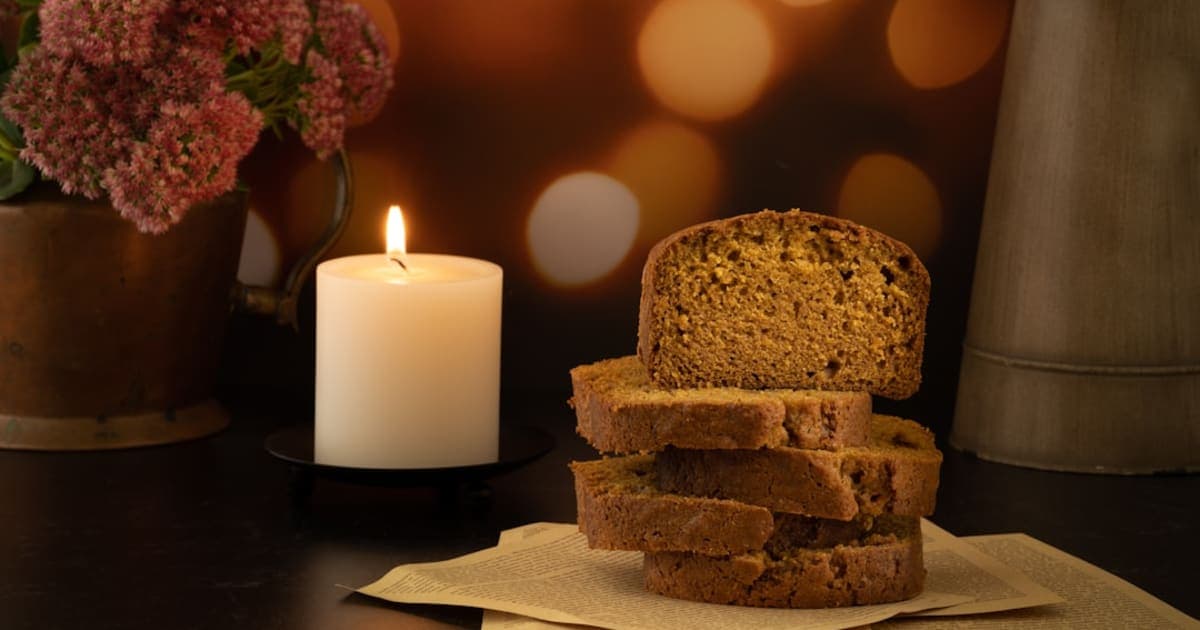
- Candle-lighting: Shabbat begins with the lighting of candles, traditionally by the woman of the home. It is a quiet, powerful moment that transitions the home from weekday mode to Shabbat peace.
- Kiddush: A blessing over wine sanctifies the day and opens the Shabbat meal.
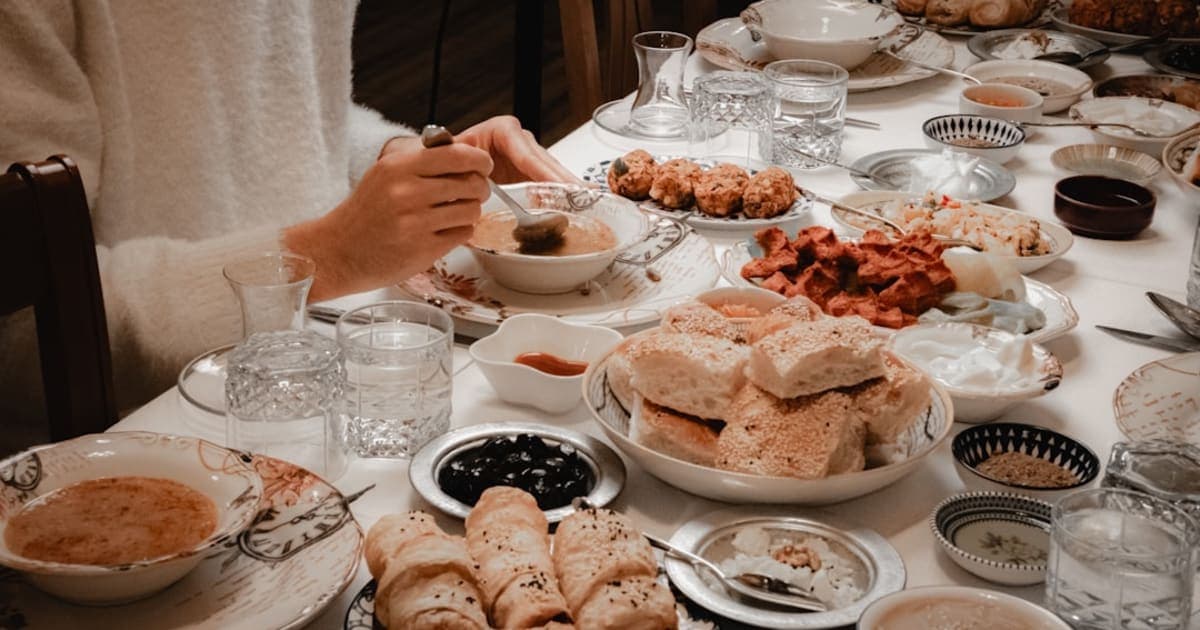
- Festive meals: Three special meals are eaten -- Friday night, Shabbat day, and a third meal in the late afternoon. These meals feature challah bread, good food, singing, and conversation.
- Prayer and Torah: Synagogue services on Shabbat include the weekly Torah reading, connecting communities worldwide to the same text.
- Songs (zemirot): Traditional melodies sung at the table create a sense of joy and togetherness.
- Rest and leisure: Napping, reading, walking, learning, and unhurried conversation are all part of the Shabbat experience.
The Restraint: What We Step Away From
Shabbat involves refraining from melachah -- often translated as "work" but more precisely meaning "creative labor." Jewish tradition identifies 39 categories of creative activity, based on the work involved in building the Tabernacle in the desert. In modern life, this means stepping away from:
- Driving and transportation (many people walk to synagogue)
- Phones, computers, and electronic devices
- Cooking, writing, shopping, and handling money
- Turning lights on or off (timers are set before Shabbat)
These are not punishments -- they are invitations. When you cannot check email, you are free to be fully present with the people in front of you. When you cannot drive, you walk and notice your neighborhood in a new way. When you cannot shop, you discover how little you actually need.
Why Do Jews Keep Shabbat?
It Is a Commandment
For observant Jews, Shabbat is first and foremost a divine commandment. God told the Jewish people to keep Shabbat, and they do -- faithfully, every week, in every country, in every era of history.
It Builds Family and Community
Shabbat is the ultimate family time. Without screens competing for attention, families actually talk to each other. Hosting guests broadens the circle. Children grow up with precious Shabbat memories -- the taste of challah, the glow of candles, the warmth of being together.
It Provides Genuine Rest
Not the kind of rest where you binge-watch TV or scroll social media. Real rest -- where your mind, body, and soul genuinely recharge. Many Shabbat observers describe Sunday morning after Shabbat as the most refreshed they feel all week.
It Gives Life Perspective
By stepping away from productivity for one day each week, you remember that your worth is not defined by your output. You are valuable simply because you exist -- because you are a soul, not just a producer.
Getting Started with Shabbat
If Shabbat sounds appealing but you have never tried it, here is where to begin:
- This Friday: Light two candles before sunset. Say the blessing (you can find transliterations online). Have a nice dinner.
- Next Friday: Add Kiddush over wine and HaMotzi over challah.
- The following week: Try turning off your phone during the Friday night meal.
- Keep building: Each week, add one more element. Visit a synagogue. Extend the technology break. Invite guests.
For a complete walkthrough, see our beginner's guide to keeping Shabbat.
Shabbat Is Waiting for You
There is a beautiful saying: "More than the Jews have kept Shabbat, Shabbat has kept the Jews." Through exiles, persecutions, and the upheavals of history, Shabbat has been the constant -- the weekly anchor that has sustained the Jewish people and kept them connected to their faith, their families, and their God.
That same gift is available to you, this Friday night. Light the candles. Pour the wine. Break the bread. And experience what millions of people have known for thousands of years: that rest is not a luxury -- it is holy.