What Is Tefillah (Prayer)?
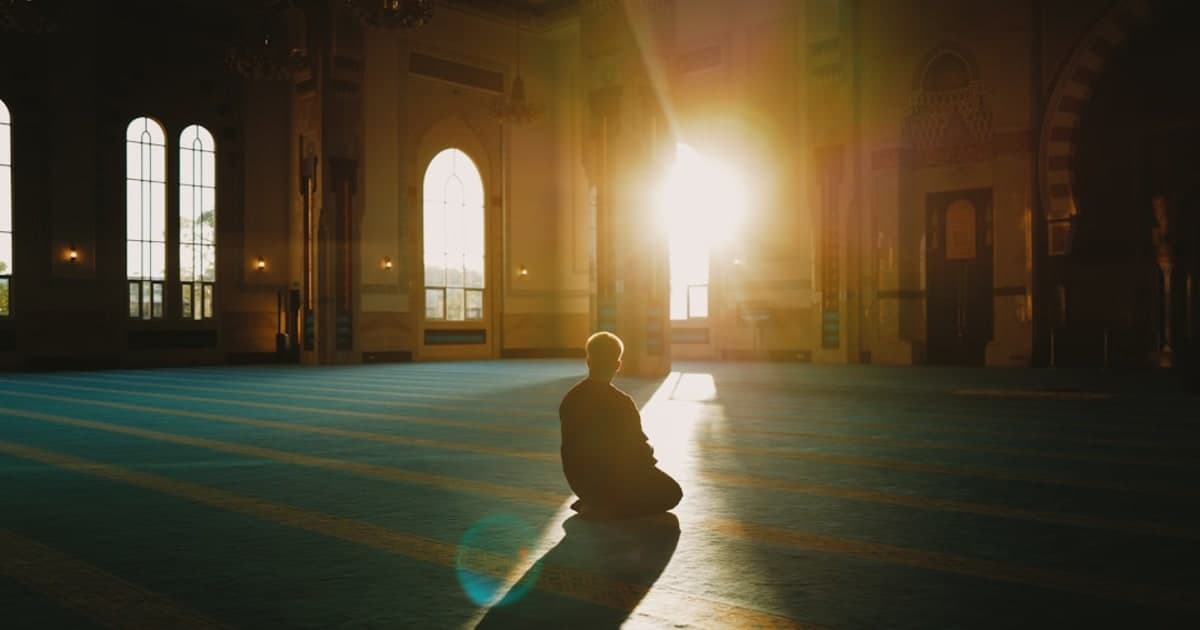
What Would It Mean to Talk to God Three Times a Day?
Prayer is one of those things that many people find intimidating. Maybe you think you do not know the right words, or you are not sure if you even believe someone is listening. Maybe you tried prayer once and it felt empty. Or maybe you are deeply drawn to it but do not know where to start.
In Judaism, prayer (tefillah) is not a mysterious spiritual gift reserved for saints and mystics. It is a daily practice available to everyone -- a structured conversation with God that covers praise, gratitude, requests, and reflection. You do not need to be a scholar or a saint to pray. You just need to show up.
The Three Daily Prayer Services
Jewish tradition prescribes three daily prayer services:
- Shacharit (morning) -- the longest service, corresponding to the morning offering in the ancient Temple. Typically said after sunrise.
- Mincha (afternoon) -- a shorter service, said in the afternoon before sunset. Many people find Mincha especially meaningful because it interrupts the busiest part of the day with a moment of spiritual pause.
- Maariv (evening) -- said after nightfall. It is the shortest of the three services.
Each service has its own character, but all three share core elements, especially the Shema and the Amidah.
The Key Prayers
The Shema
The Shema is Judaism's central declaration of faith: "Hear, O Israel, the Lord is our God, the Lord is One." It is said twice daily -- in the morning and evening. The Shema is more than a prayer; it is a statement of identity and belief that Jews have whispered, shouted, and clung to for thousands of years, in moments of joy and in moments of unimaginable darkness.
The Shema is followed by three paragraphs from the Torah that discuss loving God, keeping the commandments, and wearing tefillin and mezuzot.
The Amidah (Shemoneh Esrei)
The Amidah is the central prayer of every service. It is said standing ("Amidah" means "standing") and silently, as a private conversation between you and God. The weekday Amidah contains 19 blessings organized into three sections:
- Praise (first three blessings) -- acknowledging God's greatness, power, and holiness
- Requests (middle thirteen blessings) -- asking for wisdom, healing, livelihood, forgiveness, redemption, and more
- Gratitude (last three blessings) -- thanking God and asking for peace
On Shabbat and holidays, the middle section is replaced with a single blessing about the holiness of the day, making the Amidah shorter and more reflective.
The Structure of Shacharit (Morning Prayer)
The morning service is the most elaborate. Here is a simplified overview:
- Morning blessings (Birchot HaShachar): Thanking God for the basics of life -- see our guide on morning routines
- Pesukei D'Zimrah: Psalms and songs of praise that prepare the heart for prayer
- The Shema and its blessings: The core declaration of faith surrounded by blessings about creation, revelation, and redemption
- The Amidah: The central standing prayer
- Tachanun: Supplicatory prayers (omitted on festive days)
- Torah reading: On Mondays and Thursdays, a short Torah portion is read
- Closing prayers: Including Aleinu and various psalms
Where and How to Pray
In a Synagogue
The ideal setting for prayer is with a community (minyan -- a quorum of ten men). Certain prayers, including the Torah reading and the Kaddish, can only be said with a minyan. Praying in a synagogue also provides the support of a community and the momentum of praying together.
Anywhere
If you cannot get to a synagogue, you can pray anywhere that is clean and respectful. Many people pray at home, at work, or even outdoors. The essential requirement is sincerity -- the Talmud calls prayer "the service of the heart."
Using a Siddur
Jewish prayers are collected in a siddur (prayer book). Using a siddur with English translation is perfectly fine and strongly encouraged for beginners. Many excellent siddurim include explanations and instructions alongside the prayers.
Personal Prayer
While Jewish prayer has a fixed structure, there is also a strong tradition of personal, spontaneous prayer. You can talk to God in your own words, in any language, at any time. Many people add personal requests during the Amidah or speak to God informally throughout the day.
The fixed prayers give structure; personal prayer gives heart. Together, they create a rich, balanced spiritual life.
Getting Started with Prayer
If you are new to Jewish prayer, here is a gentle path:
- Start with the Shema: Say it in the morning when you wake up and at night before bed. This takes under a minute.
- Add Modeh Ani: Say this short gratitude prayer the moment you open your eyes each morning.
- Learn the Amidah: Start with the first three and last three blessings. Gradually add the middle sections.
- Visit a synagogue: Attending a morning minyan, even once a week, helps you learn the rhythm of the service.
- Find a prayer partner: A rabbi or mentor can help you navigate the siddur and answer questions.
Why Prayer Matters
Prayer is not about convincing God to give you things. It is about relationship. It is about taking time, three times a day, to step out of the rush of life and acknowledge that there is something bigger than your to-do list. It is about expressing gratitude when things are good and finding comfort when they are not.
Over time, prayer reshapes how you see the world. You become more grateful, more aware, more grounded. The daily rhythm of Shacharit, Mincha, and Maariv creates a spiritual scaffolding around your life that holds you steady through good days and hard ones alike.
You do not need to feel inspired every time you pray. You just need to show up. The rest will come.