How to Start Keeping Kosher
What If Keeping Kosher Is Simpler Than You Think?
For many people, the word "kosher" conjures images of complicated rules, dual kitchens, and a lifetime of restrictions. And while kashrut (the Jewish dietary laws) does involve real structure and commitment, the truth is that getting started is much more approachable than most people imagine.
Keeping kosher is one of the most distinctive practices in Jewish life. It transforms something you already do multiple times a day -- eating -- into an act of spiritual awareness. Every meal becomes an opportunity to connect with a tradition that stretches back thousands of years and to bring a measure of holiness into the most ordinary moments.
Whether you are exploring kashrut for the first time or looking to deepen your observance, this guide will help you take it step by step.
What Does "Kosher" Actually Mean?
The Hebrew word kasher means "fit" or "proper." When we say food is kosher, we mean it meets the standards set by the Torah and interpreted by Jewish law. These laws are not about health (though some people notice health benefits) -- they are about holiness. The Torah says, "You shall be holy, for I, the Lord your God, am holy," and kashrut is one of the primary ways Jews live out that calling in daily life.
The Core Principles
Permitted and Forbidden Animals
The Torah specifies which animals Jews may eat:
- Land animals must have split hooves and chew their cud. This includes cows, sheep, goats, and deer. It excludes pigs, rabbits, and camels.
- Fish must have fins and easily removable scales. Salmon, tuna, and cod are kosher. Shellfish (shrimp, lobster, crab) are not.
- Poultry: The Torah lists forbidden birds (mostly birds of prey). Chicken, turkey, duck, and goose are permitted by tradition.
- Insects are generally forbidden, which is why certain fruits and vegetables need to be carefully checked.
Meat and Dairy Separation
One of the most well-known kosher rules is the prohibition against mixing meat and dairy. This is based on the Torah's instruction not to cook a kid in its mother's milk. In practice, this means:
- Meat and dairy foods are not cooked, eaten, or served together
- Separate dishes, pots, utensils, and often sinks are used for meat and dairy
- After eating meat, there is a waiting period before eating dairy (customs vary from one to six hours)
Pareve: The Neutral Category
Foods that are neither meat nor dairy are called pareve. This includes fruits, vegetables, grains, eggs, and fish. Pareve foods can be eaten with either meat or dairy meals, giving you significant flexibility in meal planning.
Kosher Slaughter (Shechitah)
Kosher meat and poultry must be slaughtered by a trained professional (shochet) using a method designed to be as painless as possible. The meat is then salted to remove blood, which the Torah prohibits consuming.
Kosher Certification (Hechsherim)
Processed and packaged foods need reliable kosher certification -- a symbol on the package indicating that the product has been supervised and meets kosher standards. Common symbols include the OU, OK, Star-K, and many others.
Getting Started: A Practical Path
You do not need to kasher your entire kitchen overnight. Here is a gradual approach that many people find manageable:
Phase 1: Start Shopping Kosher
- Begin buying products with a kosher symbol on the package
- Avoid pork and shellfish
- Choose kosher-certified meat from a kosher butcher
Phase 2: Separate Meat and Dairy at Meals
- Stop eating meat and dairy together in the same meal
- Get separate sponges for washing meat and dairy dishes (this is an easy first step)
- Adopt a waiting period after meat before eating dairy
Phase 3: Set Up Your Kitchen
- Get separate sets of dishes, pots, and utensils for meat and dairy
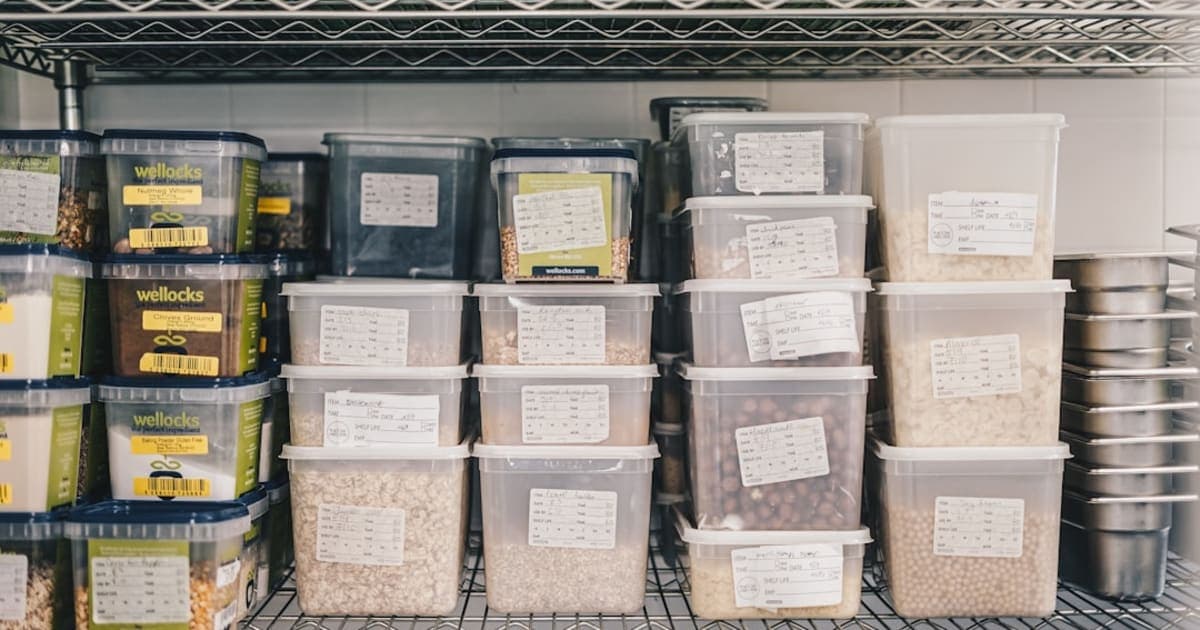
- Color-code or label everything to avoid mix-ups
- Consider kashering your oven, stovetop, and sink -- a rabbi can guide you through the process, or see our guide on how to kasher your kitchen
Phase 4: Refine and Grow
- Learn about checking produce for insects
- Explore kosher wine requirements
- Ask your rabbi about community customs regarding chalav Yisrael (supervised dairy) and other details
Eating Out and Traveling Kosher
Keeping kosher outside the home requires some planning but is very doable:
- Restaurants: Look for kosher-certified restaurants. Ask to see a current certificate.
- Travel: Pack snacks with kosher symbols. Research kosher restaurants and grocery stores at your destination in advance.
- Social situations: When eating at someone's home, you can bring your own food or eat items that are clearly kosher (sealed packages, raw fruit, etc.).
When Mistakes Happen
Mistakes are part of learning. If you accidentally mix meat and dairy, eat something questionable, or discover a product was not kosher, do not panic. Note what happened and ask a rabbi. Many situations have straightforward solutions, and utensils can often be kashered (made kosher again).
The key is to keep going. Every kosher meal you eat is meaningful, even if the last one was not perfect.
Why Keep Kosher?
People keep kosher for many reasons:
- Holiness: Kashrut sanctifies the act of eating, transforming it from mere consumption into divine service.
- Mindfulness: The constant awareness of what you eat and how you prepare it cultivates a deeper attentiveness to daily life.
- Identity: Keeping kosher is a powerful expression of Jewish identity that connects you to Jews around the world and across generations.
- Discipline: Like any meaningful practice, kashrut builds character through consistent, intentional choices.
- Community: A kosher home naturally becomes a gathering place for other Jews -- when you can host a Shabbat meal that anyone can eat at, your table becomes a center of community life.
You Are Already Closer Than You Think
If you are reading this, you are already on the path. You do not need to become an expert overnight. Start with one change this week -- maybe buying kosher-certified products, or separating meat and dairy at one meal. Let that become comfortable, then add the next step.
Judaism teaches that every mitzvah matters, even an imperfect one. A kitchen that is 50% kosher is infinitely more kosher than one that is 0%. And the journey of building a kosher home -- with all its questions, discoveries, and small victories -- is itself a beautiful expression of Jewish life.