How to Kasher Your Kitchen: A Step-by-Step Guide
An Introduction to Kashering Your Kitchen
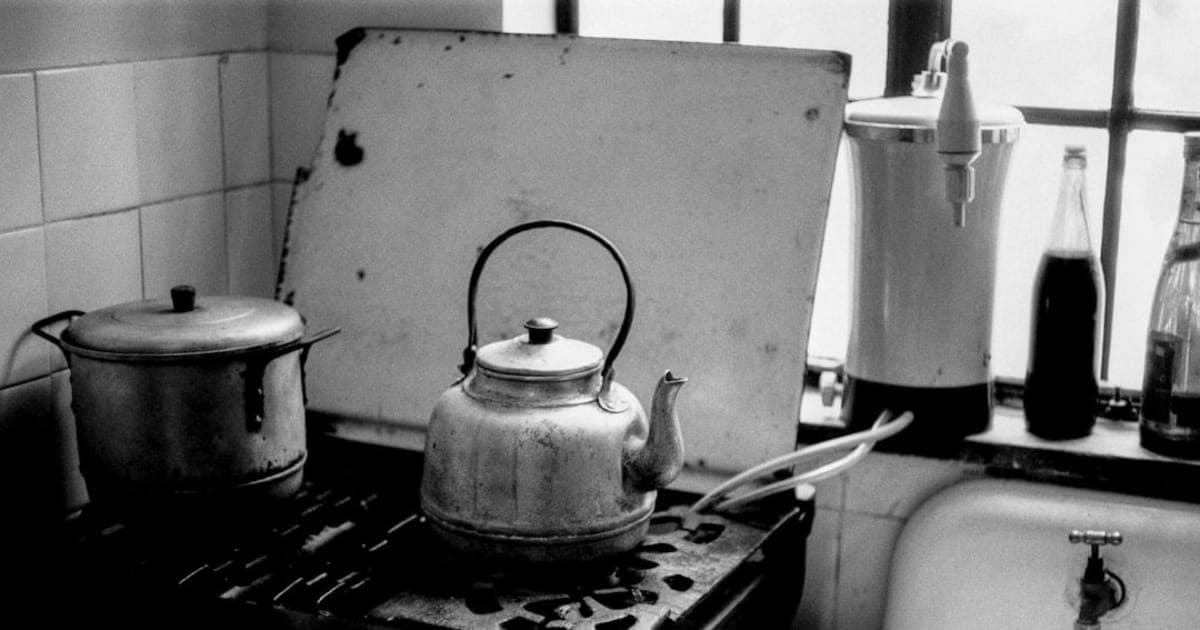
Transforming a kitchen into a kosher space is a meaningful and spiritually significant process. Whether you are moving into a new home, embracing a kosher lifestyle for the first time, or preparing for the holiday of Passover, kashering your kitchen is a foundational step. The word "kasher" means to make something fit for use according to Jewish law, or halakha. In the context of a kitchen, this involves a meticulous process of cleaning and purging to ensure that all surfaces and vessels are free from any non-kosher residue and are ready for preparing kosher food.
The process might seem daunting at first, but it is rooted in logical principles and can be broken down into manageable steps. The core idea behind kashering is summarized by the Talmudic principle, "K'bol'o, kach polt'o" — "as it absorbs, so it expels." This means that the method used to kasher an item must mimic the way non-kosher flavor was absorbed into it. If a pot absorbed non-kosher flavor through boiling water, it must be purged with boiling water. If a grill absorbed flavor through direct fire, it must be purged with direct fire. This guide will walk you through the primary methods of kashering and provide a step-by-step plan for your appliances, countertops, and utensils.
The Core Principles: Understanding Hagalah and Libun
Before we begin turning on faucets and heating up ovens, it's crucial to understand the two main categories of kashering. Nearly every method falls under one of these two headings.
- Hagalah (Purging with Boiling Water): This is the most common method of kashering. It is used for vessels and utensils made of metal that absorbed non-kosher flavor through hot liquids, such as pots used for cooking soup or pasta, or flatware that has been used in hot food. The process involves a thorough cleaning, a 24-hour waiting period, and then total immersion in a pot of actively boiling water. The heat of the boiling water forces the vessel to expel the absorbed non-kosher flavor.
- Libun (Purging with Fire or Intense Heat): This method is reserved for items that absorbed non-kosher flavor through direct, dry heat without any liquid. Think of oven racks, barbecue grates, or a pan used for broiling directly on the heat source. Libun is a more intense process that uses fire or extreme heat to incinerate any absorbed residue. There are two levels of Libun. Libun Gamur (a complete libun) means heating an object until it glows red-hot. Libun Kal (a light libun) means heating it to a temperature where a piece of paper or straw would singe upon contact. The self-cleaning cycle of an oven is considered a form of Libun.
It is also important to know that some materials cannot be kashered. Due to their porous nature, materials like earthenware, porcelain, ceramic, china, and most plastics cannot be purged of their absorbed flavors. Similarly, utensils with non-stick coatings like Teflon cannot be kashered. In these cases, the items must be replaced.
Preparation: What to Do Before You Start
Proper preparation is the key to a successful and less stressful kashering experience. A methodical approach will ensure you don't miss any steps and that the process is done correctly. Rushing through the prep work can invalidate the entire process.
- Thoroughly Clean Everything: The first and most critical step is to clean every single item and surface you intend to kasher. Every bit of grease, rust, and food residue must be scoured away. Use steel wool, abrasive cleaners, and toothpicks to get into every crevice, joint, and handle. An item cannot be kashered if it is not physically clean.
- Observe a 24-Hour Waiting Period: After an item is spotlessly clean, it must be left unused for a full 24 hours before the kashering process (Hagalah or Libun) can begin. This waiting period is a rabbinic requirement that helps to ensure that any absorbed flavor has become dormant.
- Gather Your Supplies: Prepare your kashering toolkit. You will need a very large pot for Hagalah (it must be kosher itself and large enough to fully submerge your other items), a heat source to keep it boiling, tongs for handling hot items, a bucket of cold water for rinsing, heavy-duty oven cleaner, and new shelf liners and sponges.
- Consult a Rabbi: This guide provides general principles and common practices. However, Jewish law has many nuances, and different communities may have slightly different customs. It is always best to consult with a competent local Rabbi who can answer your specific questions, address unique situations (like an unusual appliance or material), and provide authoritative guidance.
A Step-by-Step Guide to Kashering Kitchen Appliances
This is where the real work begins. We will tackle the kitchen area by area, appliance by appliance. Remember to follow the sequence: Clean, Wait 24 Hours, Kasher.
Sinks
The sink is used constantly for both hot and cold, so it requires careful kashering.
- Stainless Steel Sinks: Clean the basin, faucet, handles, and drain meticulously with a strong cleaner. Do not use the sink for 24 hours (use an alternate water source or a separate basin). After the waiting period, boil several large pots of water. Pour the boiling water carefully over every inch of the sink basin, faucet, and handles. This process is known as Irui Kli Rishon (pouring from a primary vessel).
- Porcelain or Enamel Sinks: These materials cannot be kashered. To use them in a kosher kitchen, you must clean them thoroughly and then use a dedicated sink insert or basin for all washing, and a separate rack for draining.
Countertops
The kashering method for countertops depends entirely on the material.
- Granite, Marble, or Stainless Steel: In theory, these materials can be kashered using the same pouring method (Irui) as a stainless steel sink. However, due to the difficulty of ensuring the boiling water touches every part of a large surface simultaneously and potential issues with hairline cracks, the universally accepted and recommended practice is to cover the countertops. Use a thick, waterproof covering for any surfaces where food will be placed.
- Formica, Laminate, Wood, or Ceramic Tile: These materials are porous or have seams that cannot be properly cleaned or purged. They cannot be kashered and must be covered.
Oven
An oven absorbs flavor through intense, dry heat, requiring Libun.
- Self-Cleaning Ovens: This is the easiest type of oven to kasher. First, remove the racks. Clean the oven interior and the racks thoroughly with a strong oven cleaner to remove all visible residue. After the 24-hour waiting period, place the racks back inside and run the self-cleaning cycle according to the manufacturer's instructions. This high-heat cycle acts as Libun Gamur for the oven and the racks.
- Non-Self-Cleaning Ovens: This requires more work. Clean the oven interior and racks with extreme prejudice. Every spot of baked-on food must be gone. After 24 hours, the racks must be kashered with direct heat until they glow (Libun Gamur), which can be done with a blowtorch (with extreme caution) or by taking them to a facility with appropriate ovens. For the oven cavity itself, turn it on to its highest possible temperature (broil setting) and leave it running for at least one hour. Consult your Rabbi on the exact time and temperature required.
Stovetop
The stovetop surface and grates also need to be addressed.
- Gas Stovetops: The cast iron or metal grates that pots sit on need Libun. After a thorough cleaning and a 24-hour wait, turn all the burners on to their highest setting for 10-15 minutes. The flames will heat the grates and kasher them. The enamel stovetop surface underneath should be cleaned and covered with foil if you are concerned about spills.
- Electric Coil Stovetops: Clean the coils and the drip pans. After 24 hours, turn the electric coils on to their highest setting until they glow red. This glow effect is Libun. The drip pans should be thoroughly cleaned or, more easily, replaced.
- Glass or Ceramic Stovetops: These present a challenge, and kashering methods are widely debated. Because you cannot apply direct flame and it's difficult to get the surface hot enough without a pot on it, many authorities do not permit kashering them. The most common practice is to clean the surface thoroughly and designate specific areas for meat and dairy pots, ensuring a pot is always used and food never touches the surface directly. Consult a Rabbi for guidance on this specific appliance.
Microwave and Dishwasher
- Microwave: A microwave kashering process purges with steam. Clean the interior meticulously. Then, place a bowl of water inside and run the microwave on high until the water boils vigorously and the entire chamber is filled with thick, hot steam. Let it run for a couple of minutes while steaming. The turntable plate should be kashered separately via Hagalah if possible, or replaced.
- Dishwasher: This is another highly debated appliance. Due to the complex mix of materials (metal, plastic, rubber) and the way hot water is sprayed rather than immersing utensils, many rabbinic authorities rule that a non-kosher dishwasher cannot be kashered for year-round use. If one were to proceed after rabbinic approval, it would involve a meticulous cleaning of the interior and filter, kashering the metal racks separately with Hagalah, and running an empty cycle on the hottest setting after a 24-hour dormant period. For most people, the simplest solution is to use the dishwasher for only one category (e.g., dairy) or to hand-wash dishes.
Kashering Cookware, Utensils, and Dishes
Once the major surfaces and appliances are done, you can move on to the items you cook and eat with.
The Hagalah Process in Detail
For all metal pots, pans (without non-stick coating), and flatware, you will use Hagalah.
- Step 1: Clean. Scrub the item inside and out, paying special attention to rims, joints, and handles.
- Step 2: Wait. Let the clean item sit unused for 24 hours.
- Step 3: Boil. Fill your large, pre-kashered "kashering pot" with water and bring it to a rolling, bubbling boil.
- Step 4: Immerse. Using tongs, completely submerge the item in the boiling water. The water must remain at a rolling boil when the item is inside. For a large pot that doesn't fit, you can immerse one half and then flip it to immerse the other half.
- Step 5: Rinse. Immediately remove the item from the boiling water and rinse it with cold water.
Material-Specific Guidelines
- Metal: Stainless steel, cast iron (without enamel), silver, and other metals can be kashered as described above, using either Hagalah for pots and flatware or Libun for items used over direct fire (e.g., barbecue skewers).
- Glass: The status of glass is subject to a difference in tradition. Sephardic practice generally considers glass to be non-porous and allows it to be kashered by soaking it in water. The prevailing Ashkenazic custom is to be stricter with glass, especially for items used with heat, and to replace it rather than kasher it.
- Wood: Wood can be kashered through Hagalah, provided it is smooth and has no cracks where food can be trapped.
A Sacred Transformation
Kashering your kitchen is more than a deep cleaning; it is a profound act of spiritual dedication. It sets the stage for a home life centered around the sacred laws of kashrut. While the process requires effort and attention to detail, the result is the creation of a sanctified space for nourishing your family and friends. This guide provides the framework, but remember that your local Rabbi is your most valuable resource in this journey. With careful preparation and a clear understanding of the principles, you can confidently and successfully transform your kitchen into the heart of a truly kosher home.
Next Steps
Once your kitchen is kashered, you are ready to begin your kosher cooking journey. Learn the basics with our beginner's guide to keeping kosher, understand the rules for waiting between meat and dairy, and discover how to read kosher certification symbols when shopping. If you are kashering specifically for Passover, see our guide on what foods are kosher for Passover. And do not forget about immersing new utensils -- an important step often overlooked when setting up a kosher kitchen.