Classic Shabbat Foods
What Makes Shabbat Food So Special?
Have you ever walked into a Jewish home on a Friday afternoon and been enveloped by the most incredible aromas -- challah baking in the oven, chicken soup simmering on the stove, and something rich and mysterious bubbling away for the next day's lunch? Shabbat food is not just sustenance; it is an integral part of the Shabbat experience, a way of honoring the day and making it truly different from the rest of the week.
The Torah tells us to call Shabbat a delight (oneg Shabbat), and for thousands of years, Jews have understood this to include enjoying delicious food. There is actually a mitzvah to eat well on Shabbat -- three complete meals featuring the best food you can afford. This is not indulgence; it is a way of experiencing the holiness of the day through all five senses.
Friday Night: The Festive Welcome
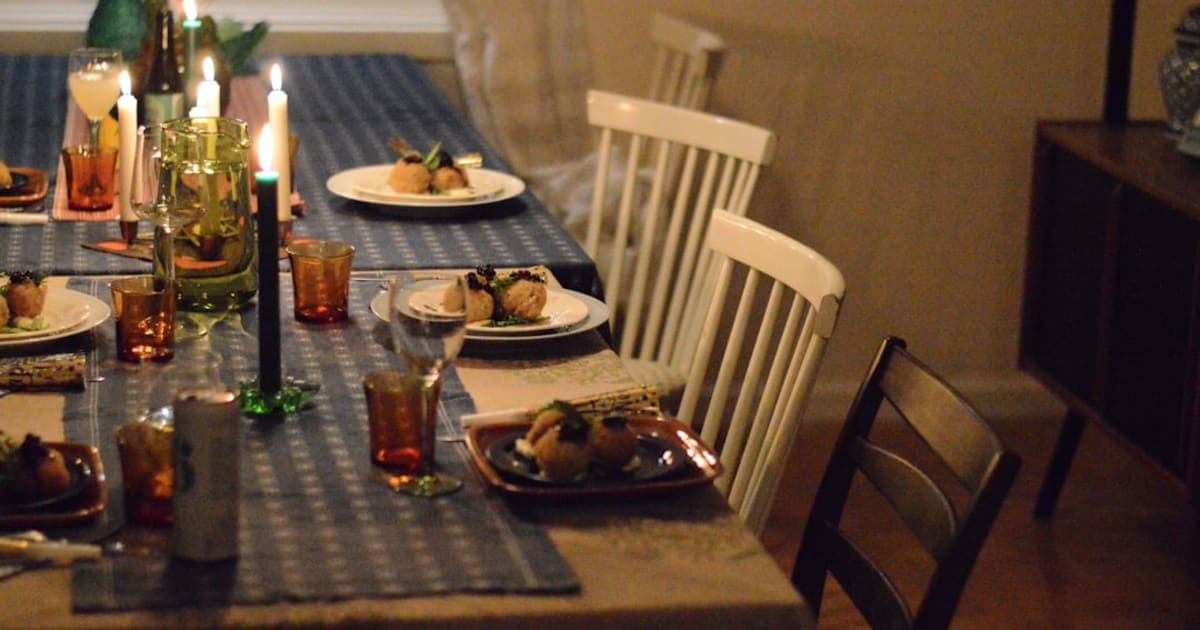
The Friday night meal is the grand opening of Shabbat. After candle lighting, Kiddush over wine, and the blessing over challah, the meal unfolds in multiple courses.
Challah
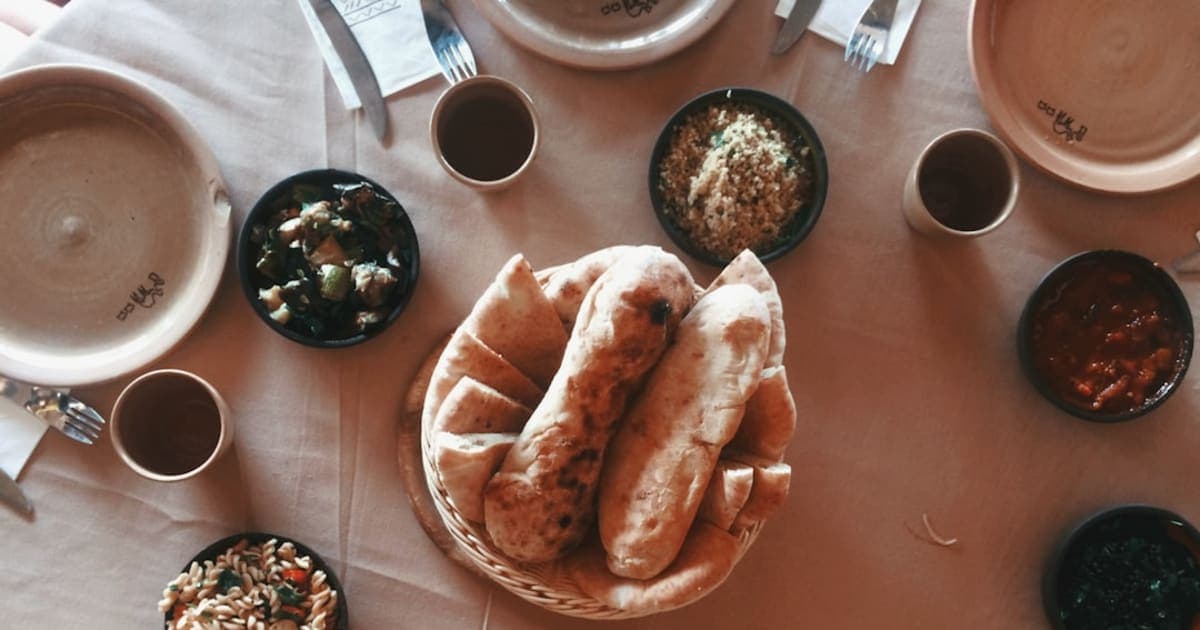
Every Shabbat meal begins with challah -- the braided bread that is the centerpiece of the Jewish table. Two loaves are placed on the table for each meal, representing the double portion of manna that fell in the desert before Shabbat. The challah is typically covered with a cloth and salted after the blessing. For more on this beautiful tradition, see our article on why we use two loaves and why we dip challah in salt.
Gefilte Fish
This Ashkenazi classic -- ground fish (typically a mixture of whitefish, pike, and carp) formed into patties or balls and poached -- is served cold as a first course. The tradition of eating fish on Shabbat goes back to ancient times, and gefilte fish became the standard because it avoids the need to pick out bones on Shabbat (which involves sorting, one of the restricted activities). Sephardi communities have their own fish traditions, including spiced fish in tomato sauce and fried fish.
Chicken Soup
Known affectionately as "Jewish penicillin," chicken soup with matzo balls (kneidlach), noodles, or kreplach is the quintessential Friday night soup. Its warmth and richness perfectly set the tone for the Shabbat meal. Many families have their own closely guarded recipes passed down through generations.
Roast Chicken
The main course of Friday night is often roast chicken -- simple, elegant, and delicious. Some families serve chicken alongside other proteins like brisket or lamb. The key is that it should be something special, not your everyday weeknight dinner.
Side Dishes
Classic side dishes include roasted potatoes, rice (in Sephardi communities), cooked vegetables, and kugel (baked pudding, either potato or noodle). Salads are also common, though checking leafy greens requires attention to proper inspection methods.
Dessert
Friday night dessert at a meat meal must be pareve (no dairy). Popular options include pareve cakes, fruit compotes, cookies, and sorbet. Many families serve something sweet to end the meal on a literally sweet note.
Shabbat Day Lunch: The Slow-Cooked Feast
Since cooking is not permitted on Shabbat itself, the Saturday lunch meal features foods that have been cooking slowly since before Shabbat began. This constraint has produced some of the most beloved dishes in Jewish cuisine.
Cholent (Hamin)
No discussion of Shabbat food is complete without cholent. This hearty stew -- typically made with beans, barley, potatoes, onions, and meat -- is placed on a covered flame (called a blech or plata) or in a crockpot before Shabbat and cooks overnight for 18-24 hours. The result is an incredibly rich, deeply flavored dish that cannot be replicated by any other cooking method.
The Sephardi version, called hamin or dafina, varies by community but often includes rice, eggs (cooked in the shell until they turn brown), chickpeas, and various spices. Moroccan Jews make skhina, Iraqi Jews make t'bit (with chicken and rice), and Persian Jews have their own beloved variations.
Kugel
Kugel is a baked pudding that comes in many varieties. Potato kugel (grated potatoes baked until golden and crispy) and noodle kugel (egg noodles with eggs and sometimes sugar or cinnamon) are the Ashkenazi classics. Yerushalmi kugel -- a sweet, peppery noodle kugel with caramelized sugar -- is a beloved Jerusalem specialty.
Salads and Dips
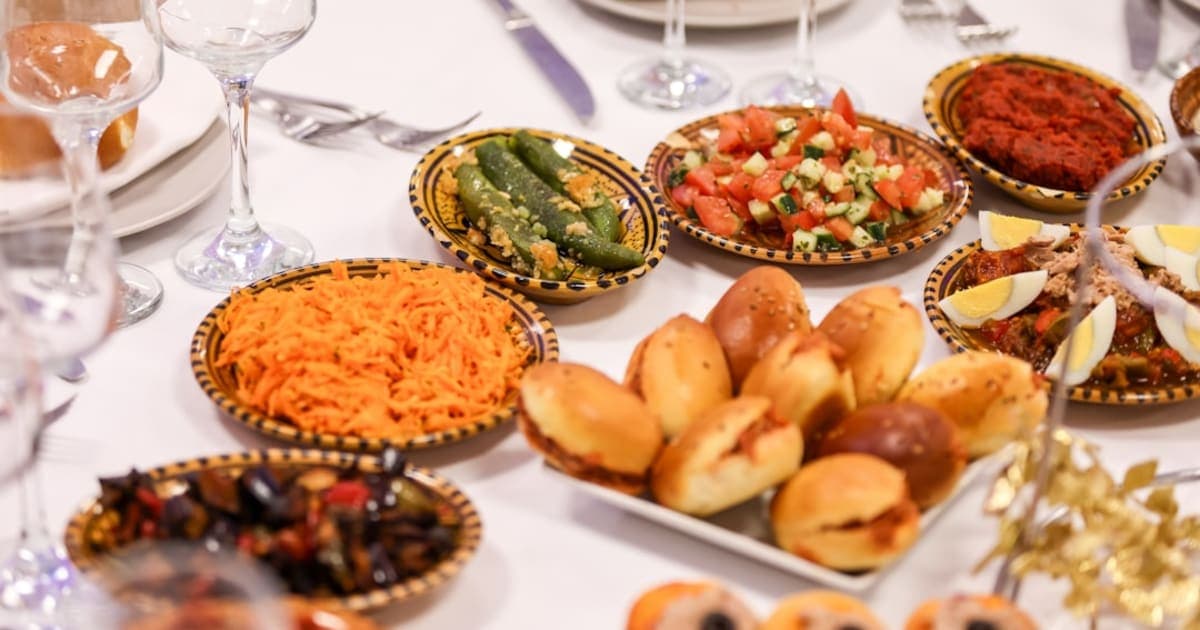
Middle Eastern and Sephardi Shabbat tables are famous for their array of salads and dips: hummus, tehina, matbucha (cooked tomato and pepper salad), Turkish salad, and more. Ashkenazi tables might feature coleslaw, chopped liver, or egg salad.
Seudah Shlishit: The Third Meal
The third Shabbat meal takes place late Saturday afternoon, between the afternoon (mincha) and evening (maariv) prayers. It is typically lighter than the other meals and may include:
- Challah or bread with spreads
- Fish (many have a tradition of eating fish at this meal)
- Salads
- Fruit
- Cake or cookies
The Sephardi and Mizrachi Table
While Ashkenazi Shabbat foods get much of the attention, Sephardi and Mizrachi communities have their own rich culinary traditions that deserve celebration:
- Jachnun (Yemenite) -- Rolled dough slow-cooked overnight with eggs, served with grated tomato and s'chug (spicy sauce)
- Kubaneh (Yemenite) -- Pull-apart bread baked overnight
- Couscous (North African) -- Often served on Friday night with chicken or lamb stew
- Sabich ingredients -- Slow-cooked eggs and eggplant
- Stuffed vegetables -- Peppers, grape leaves, zucchini filled with meat and rice
- Bourekas -- Filled pastries, popular in Turkish and Greek Jewish traditions
Why Shabbat Food Tastes Better
There is a famous story in the Talmud about a Roman emperor who tasted the Shabbat food of Rabbi Yehuda HaNasi and was amazed by its flavor. He asked for the recipe, and the rabbi told him the secret ingredient was Shabbat itself. The emperor protested that he could not add that to his kitchen, and the rabbi replied, "Exactly. The one who keeps Shabbat tastes it. The one who does not, cannot."
Whether you take this literally or metaphorically, there is something undeniably true about it. Food prepared with intention and love for a sacred purpose, shared with family and community in an atmosphere of peace and gratitude, simply tastes different. The combination of special recipes, unhurried eating, singing zemirot (Shabbat songs), and genuine presence at the table creates an experience that no restaurant can replicate.
Getting Started: A Simple Shabbat Menu
If you are new to cooking for Shabbat, you do not need to prepare a seven-course feast. Start simple:
First Shabbat Menu
- Store-bought challah (two loaves)
- Simple roast chicken
- Roasted vegetables
- A green salad
- Fruit for dessert
As you grow more comfortable, add dishes one at a time. Try making your own challah. Experiment with a slow-cooker cholent. Branch out into kugel. Before long, you will have your own Shabbat cooking traditions that your family will look forward to every week.
For practical tips on managing the cooking schedule, see our guide to cooking for Shabbat, and for creating the right atmosphere, explore creating a peaceful Shabbat.