What Is Shabbat?
What would it feel like to press pause on the entire world for one day every single week? No emails, no deadlines, no scrolling through your phone — just peace, presence, and connection with the people you love most. That is exactly what Shabbat offers, and it has been transforming Jewish life for over three thousand years.
What Is Shabbat?
Shabbat (also spelled Shabbos in the Ashkenazi tradition, or sometimes referred to as the Sabbath) is the Jewish day of rest. It begins every Friday evening at sunset and ends on Saturday night when three stars appear in the sky. During this roughly 25-hour window, Jewish families around the world step away from the routines and pressures of daily life to enter a sacred space in time — a space dedicated to rest, family, spirituality, and joy.
The word "Shabbat" comes from the Hebrew root meaning "to cease" or "to rest." But Shabbat is so much more than simply not working. It is an island of calm in a sea of busyness, a weekly opportunity to reconnect with what matters most. Many people who begin observing Shabbat describe it as the single most transformative practice in their Jewish life.
Where Does Shabbat Come From?
Shabbat has its origins in the creation story in the Torah. According to the book of Genesis, God created the world in six days and rested on the seventh day, blessing it and making it holy. This is the foundation for the Jewish practice of resting on the seventh day of the week.
Shabbat also appears prominently in the Ten Commandments — in fact, it shows up twice. In the book of Exodus, we are told to "Remember the Sabbath day, to keep it holy." In the book of Deuteronomy, the wording changes to "Guard the Sabbath day." Jewish tradition understands these two versions as complementary: we both actively celebrate Shabbat (through rituals and special meals) and protect it (by refraining from certain activities).
This dual nature of Shabbat — doing and not doing, celebrating and resting — is what gives the day its unique character. It is simultaneously a day of festive joy and quiet contemplation.
How Does Shabbat Begin?
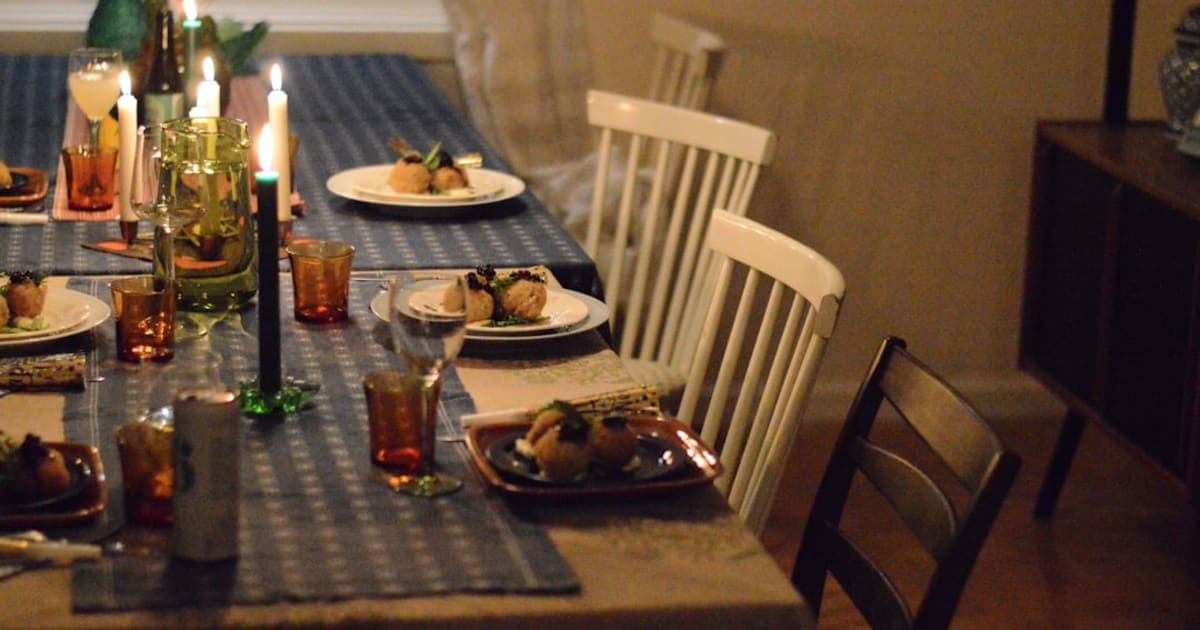
The transition into Shabbat is one of the most beautiful moments in Jewish life. As Friday afternoon winds down, a sense of anticipation fills the home. The table is set with a white tablecloth, the house is clean, and delicious aromas fill the kitchen. Everything is prepared in advance so that when Shabbat arrives, the family can truly rest.
Shabbat officially begins with the lighting of Shabbat candles, traditionally done by the woman of the household about 18 minutes before sunset. She lights at least two candles, covers her eyes, and recites the blessing. When she opens her eyes, Shabbat has begun — and the warm glow of the candles sets the tone for everything that follows.
Many families then head to synagogue for Kabbalat Shabbat, a special Friday night prayer service that welcomes the Shabbat. The highlight is the singing of "Lecha Dodi," a beloved hymn that poetically describes Shabbat as a bride and queen.
The Friday Night Experience
When the family returns home from synagogue (or gathers at the table if praying at home), a series of beautiful rituals unfolds:
- Shalom Aleichem — A song welcoming the ministering angels who, according to tradition, accompany each person home from synagogue on Friday night.
- Eshet Chayil — A passage from Proverbs (Chapter 31) praising the woman of valor, traditionally sung or recited by the husband to honor his wife.
- Blessing the children — Parents place their hands on each child's head and offer a special blessing, creating a deeply intimate family moment.
- Kiddush — The head of the household recites a blessing over a cup of wine or grape juice, formally sanctifying the Shabbat day.
- Washing hands — A ritual hand-washing with a special blessing, preparing for the bread.
- HaMotzi over challah — The blessing over two loaves of challah (braided bread), which are then sliced and shared with everyone at the table.
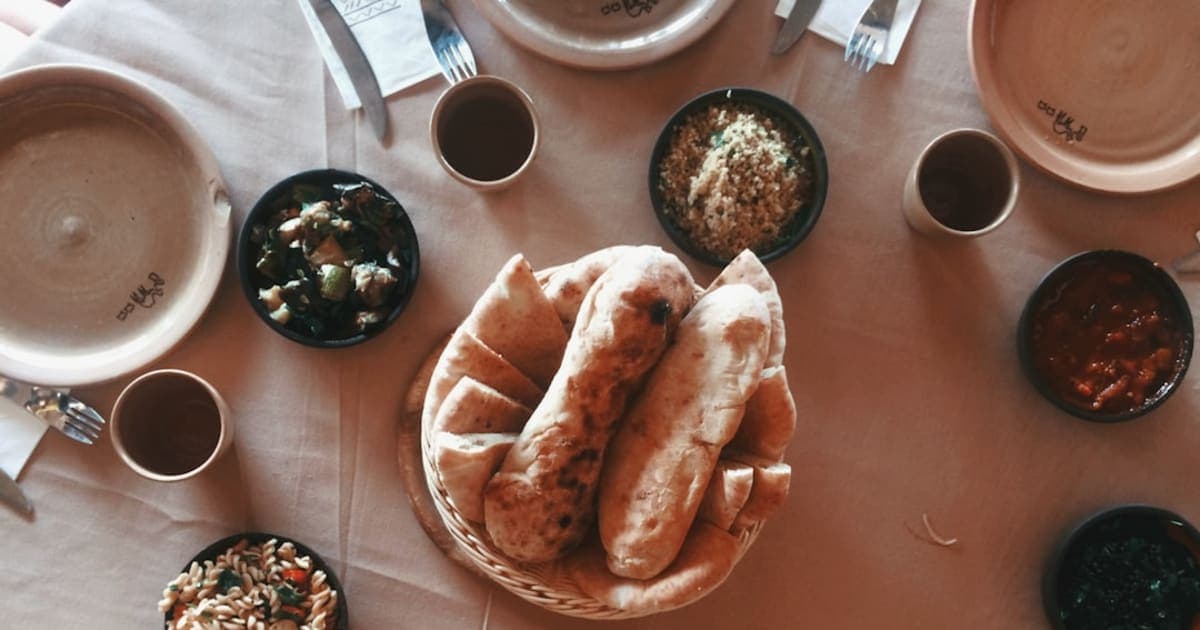
After these rituals, the Shabbat meal begins. It is typically a multi-course affair featuring the best food of the week, accompanied by singing traditional Shabbat songs (zemirot), sharing words of Torah, and enjoying unhurried conversation. There is no checking the clock, no rushing off to the next thing. The meal can last for hours, and that is entirely the point.
Shabbat Day
Saturday morning typically begins with synagogue services, which include the weekly Torah reading. This is a central feature of Jewish communal life — each week, a different portion of the Torah is read aloud, and the entire Torah is completed over the course of a year.
After services, families enjoy a Shabbat lunch, which is often just as elaborate as Friday night dinner. Many Ashkenazi families serve cholent, a slow-cooked stew that has been simmering since before Shabbat began (since cooking on Shabbat itself is not permitted).
The afternoon is a time for rest, study, and leisure. Many people enjoy the traditional Shabbat nap, take walks, read, study Torah, visit with neighbors, or simply enjoy being present with their families. Late in the afternoon, a third meal called Seudah Shlishit is eaten, often a lighter affair with a contemplative, spiritual atmosphere as Shabbat begins to draw to a close.
What Is Not Done on Shabbat?
One of the most distinctive aspects of Shabbat is the things we refrain from doing. Jewish law identifies 39 categories of creative work (melachot) that are not performed on Shabbat. These categories are derived from the types of work that were used to build the Tabernacle in the desert, and they include activities like:
- Cooking, baking, and lighting fires
- Writing and erasing
- Building and demolishing
- Sewing and tearing
- Carrying objects in public spaces (unless there is an eruv)
In modern life, these prohibitions extend to activities like using electricity and technology, driving, and spending money. While this might sound restrictive at first, most people who observe Shabbat find that these limitations are actually liberating. When you cannot check email, scroll social media, or run errands, you are freed to be fully present with the people around you.
It is worth noting that the preservation of human life always overrides Shabbat restrictions. If someone's health or safety is at risk, any and all Shabbat laws may — and must — be set aside.
How Does Shabbat End?
Shabbat concludes on Saturday night with a ceremony called Havdalah (meaning "separation"). This brief but evocative ritual uses wine, fragrant spices, and a braided, multi-wicked candle to mark the transition from the sacred time of Shabbat back into the ordinary week. The spices are said to comfort the soul, which is saddened by Shabbat's departure, and the flame represents the creative power that returns to our hands as the new week begins.
Why Does Shabbat Matter Today?
In an age of constant connectivity, perpetual busyness, and digital overload, Shabbat may be more relevant than ever. It offers something that almost no other practice in any tradition provides: a guaranteed, recurring, sacred pause. Every single week, no matter what is happening in the world, Shabbat arrives with an invitation to stop, breathe, and remember what life is really about.
For families, Shabbat provides uninterrupted quality time that can be hard to find during the week. For individuals, it offers space for reflection and spiritual growth. For communities, it creates a weekly gathering point that strengthens bonds and builds connection.
Jewish tradition describes Shabbat as a taste of the World to Come — a glimpse of the peace and wholeness that is the ultimate purpose of creation. Whether you observe every detail of Shabbat law or are just beginning to explore what a weekly day of rest might look like for you, the gift of Shabbat is available to everyone.
Getting Started with Shabbat
If you are new to Shabbat observance, there is no need to do everything at once. Many people begin with one or two practices and gradually add more over time. Here are some approachable starting points:
- Light candles on Friday night — Even this one act can transform your Friday evening.
- Have a special family dinner — Set the table nicely, put away your phones, and enjoy being together.
- Try a digital detox — Experiment with turning off screens for some or all of Shabbat.
- Learn the Kiddush — Recite the blessing over wine or grape juice to sanctify the day.
- Attend a Shabbat service — Visit a local synagogue to experience communal Shabbat worship.
For a more detailed guide on beginning your Shabbat journey, check out our article on How to Keep Shabbat: A Beginner's Guide. And to understand the deeper reasons behind this practice, explore Why Do Jews Keep Shabbat?
Shabbat is often called the most important gift the Jewish people have given the world — the idea that time itself can be holy, that rest is not laziness but a sacred act, and that once a week, every human being deserves to experience freedom. Whatever your background or level of observance, Shabbat is waiting for you.