How to Keep Shabbat: A Beginner's Guide

What Would It Feel Like to Truly Rest for One Full Day Every Week?
In a world of constant notifications, endless to-do lists, and the pressure to always be productive, the idea of genuinely resting for an entire day might sound impossible. Or maybe it sounds like exactly what you need.
That is Shabbat -- the Jewish Sabbath. Every week, from Friday evening to Saturday night, Jews around the world step out of the rush of daily life and into something different: a day of rest, joy, connection, and spiritual renewal. It is one of the most ancient practices in human civilization, and people who keep it consistently often describe it as the highlight of their week.
If you have never kept Shabbat before, the prospect might feel daunting. There seem to be so many rules, so many details, so much to know. But here is the good news: you do not need to do everything perfectly from day one. Shabbat is a practice you grow into, step by step, at your own pace. And the beauty of it is that even a small beginning can be transformative.
The Big Picture: What Shabbat Is About
Shabbat commemorates two foundational ideas in Judaism:
- Creation: God created the world in six days and rested on the seventh, sanctifying it. By resting on Shabbat, we emulate God and affirm that the world has a Creator.
- Freedom: Shabbat also recalls the Exodus from Egypt. Slaves cannot choose to rest -- free people can. Keeping Shabbat is an act of freedom.
The Torah uses two words to describe our obligation: zachor (remember) and shamor (guard). "Remember" refers to the positive practices -- candles, wine, festive meals, prayer, and joy. "Guard" refers to refraining from melachah (creative work). Both aspects work together to create the unique atmosphere of Shabbat.
Friday: Preparing for Shabbat
The magic of Shabbat actually begins before Shabbat. The preparation itself is part of the mitzvah, and many people find it deeply satisfying.
During the Week
- Plan your Shabbat meals. It does not need to be elaborate -- a simple, delicious dinner is perfect.
- If you enjoy cooking, prepare dishes in advance. Cooking for Shabbat can become a cherished weekly ritual.
- Make sure you have candles (at least two), wine or grape juice, and challah bread (two loaves, if possible).
Friday Afternoon
- Tidy your home. A clean, orderly space helps create a sense of calm and distinction from the weekday.
- Shower and dress in nicer clothing. This is called kavod Shabbat (honoring Shabbat) -- treating the day like a special guest.
- Set the table with a tablecloth, candles, wine glasses, and challah covered with a cloth.
- Set up anything you will need after sundown -- lights on timers, the hot plate (if using one), etc.
- Check your local candle-lighting time. Shabbat begins 18 minutes before sunset (in most communities).
Friday Evening: Welcoming Shabbat
Candle-Lighting
Lighting Shabbat candles is one of the most beautiful moments in Jewish life. Traditionally, the woman of the household lights at least two candles, covers her eyes, and recites the blessing. Many women take a few extra moments with their eyes covered to pray for their family. Once the candles are lit, Shabbat has begun.
If you live alone, light candles for yourself. Men who live alone also light candles.
Synagogue Services
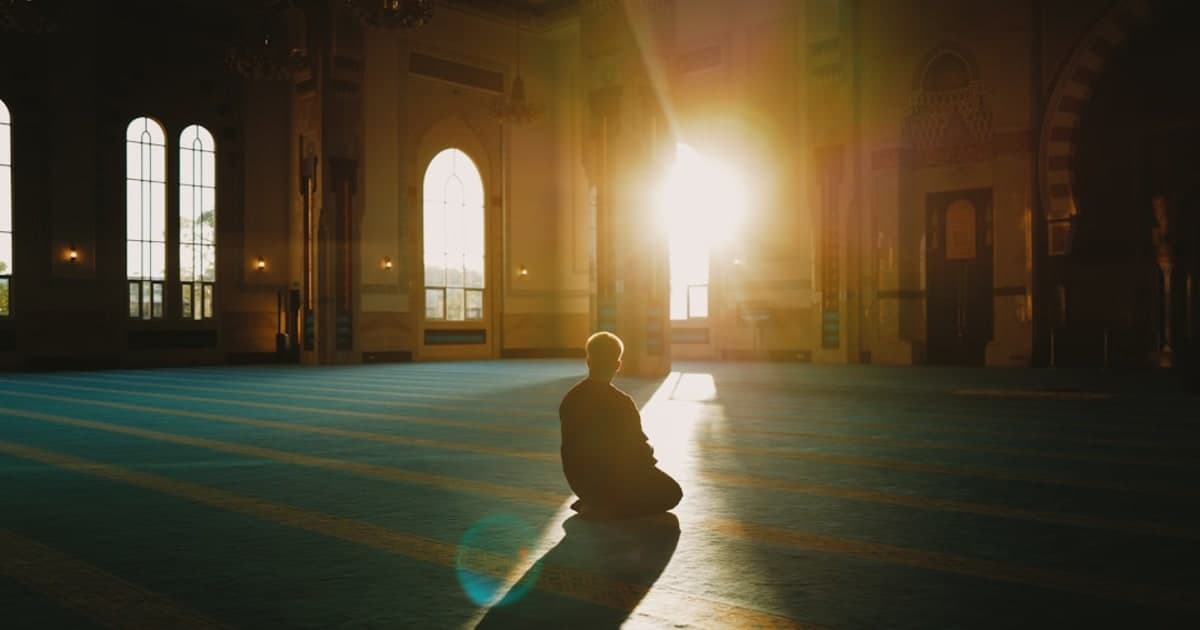
Many people attend Friday night services (Kabbalat Shabbat and Maariv) at their local synagogue. The service includes Lecha Dodi, a beloved hymn that welcomes Shabbat as a queen and bride. If you are new to services, sit near someone friendly and do not worry about following along perfectly.
The Friday Night Meal
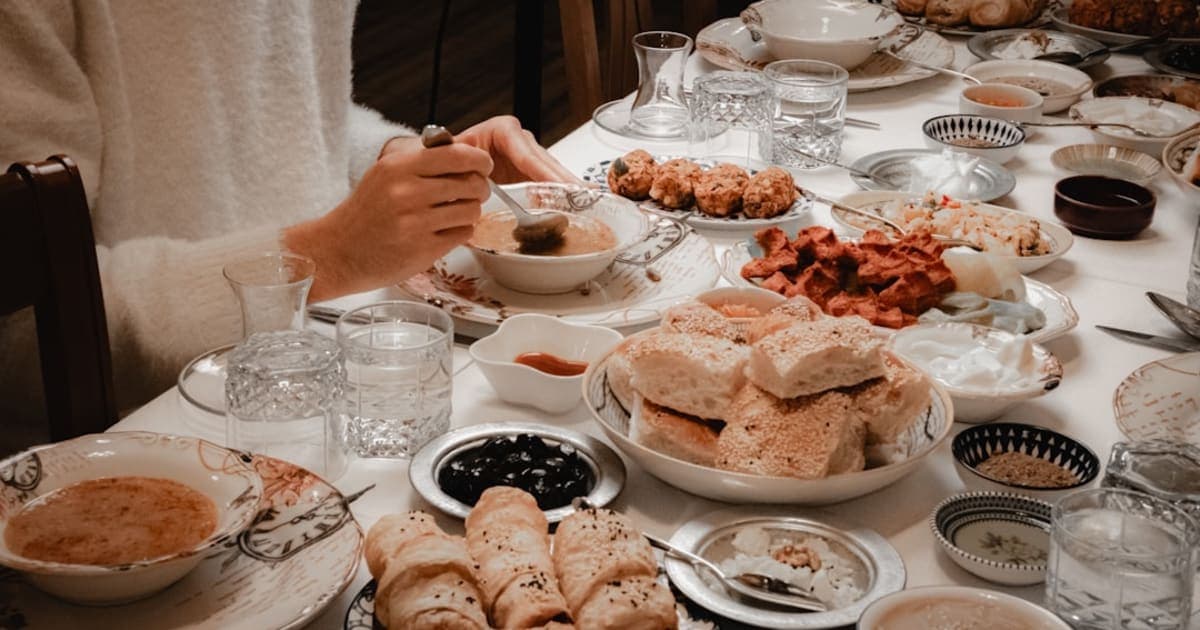
The Shabbat dinner is the centerpiece of the evening. Here is the typical flow:
- Shalom Aleichem: A song welcoming the angels of peace who accompany you home from synagogue.
- Eshet Chayil: A poem from Proverbs honoring the woman of the home.
- Blessing the children: Parents place their hands on each child's head and offer a blessing.
- Kiddush: The blessing over wine or grape juice, sanctifying the day.
- Washing hands (netilat yadayim): A ritual hand-washing before bread, followed by silence until the bread is eaten.
- HaMotzi: The blessing over two loaves of challah.
- The meal: Enjoy the food, the company, and the conversation. Many families share divrei Torah (words of Torah) and sing zemirot (Shabbat songs) between courses.
- Birkat HaMazon: Grace After Meals.
Shabbat Day
Morning
Shabbat morning typically includes synagogue services with the weekly Torah reading. This is a wonderful time to hear the Torah portion, connect with your community, and enjoy the Kiddush (refreshments) that often follows.
The Daytime Meal
A second festive meal is served, including Kiddush over wine, HaMotzi, and a satisfying meal. Many families serve a traditional slow-cooked dish called cholent (or chamin in Sephardic tradition) -- a hearty stew that has been cooking since before Shabbat.
Shabbat Afternoon
This is perhaps the most underrated part of Shabbat. With no phones, no errands, and no obligations beyond the third meal, the afternoon stretches out before you. Some people nap (the Shabbat nap is practically a sacred institution). Others read, take walks, learn Torah, or simply sit and talk with family and friends.
Seudah Shlishit (Third Meal)
In the late afternoon, a third meal is eaten. This is often simpler than the other meals -- bread with dips, salads, fish, or cake. In synagogue, it is sometimes eaten communally and accompanied by songs and words of Torah.
Saturday Night: Havdalah
Shabbat ends when three stars are visible in the sky (or at the time listed on your community's Shabbat schedule). The transition back to the weekday is marked by Havdalah -- a beautiful, multisensory ceremony using wine, spices, and a braided candle.
The spices are smelled to console the soul, which is sad to see Shabbat go. The braided candle, with its multiple wicks, symbolizes the return of creative activity. Havdalah means "separation" -- it marks the boundary between the holy and the ordinary, the sacred and the everyday.
What About All the "Rules"?
Shabbat involves refraining from melachah -- a Hebrew word often translated as "work" but more accurately meaning "creative labor." The tradition identifies 39 categories of creative activity that are avoided on Shabbat. In practical terms, this means things like:
- Not driving
- Not using phones, computers, or other electronic devices
- Not cooking, writing, or shopping
- Not turning lights on or off (timers can be set in advance)
To many beginners, these restrictions sound limiting. But people who keep Shabbat consistently report the opposite: the restrictions are actually liberating. When you cannot check email, you are free to be fully present. When you cannot drive, you walk -- and notice things you never noticed before. When you cannot shop, you realize how much of your mental energy goes to consuming.
You do not need to take on all of these practices at once. Start with what feels meaningful and build from there.
A Gentle Path for Beginners
Here is a suggested progression for someone new to Shabbat:
- Month 1: Light candles on Friday night. Have a special dinner with Kiddush and challah.
- Month 2: Turn off your phone during the Friday night meal. Attend a Friday night service.
- Month 3: Keep your phone off from candle-lighting until Shabbat morning. Try walking to synagogue.
- Month 4: Expand the technology break to all of Shabbat. Add a Shabbat afternoon nap or walk.
- Month 5: Introduce the third meal. Try doing Havdalah.
- Month 6 and beyond: Continue adding practices as they feel natural. Consult a rabbi or mentor about areas where you want to grow.
Making Shabbat Beautiful
Shabbat is not supposed to be a day of deprivation. It is supposed to be the best day of your week. Jewish tradition calls it oneg -- delight. Here are ways to make it delightful:
- Cook or buy your favorite foods for the Shabbat meals
- Wear your nicest clothes
- Create a peaceful atmosphere with a clean home, a set table, and soft lighting
- Invite guests -- hospitality is a beautiful part of Shabbat
- Sing together (even if you are not a great singer)
- Read, learn, or have deep conversations
- Spend unhurried time with the people you love
Your First Shabbat Starts This Friday
You do not need to wait until you know everything. You do not need special equipment or a perfect home. You just need candles, wine (or grape juice), bread, and the willingness to try.
Light the candles. Say the blessings. Sit down to a meal. Let the peace settle in. That is Shabbat -- and it has been waiting for you.