Symbolic Foods of Rosh Hashanah
Why Do We Eat Specific Foods on Rosh Hashanah Night?
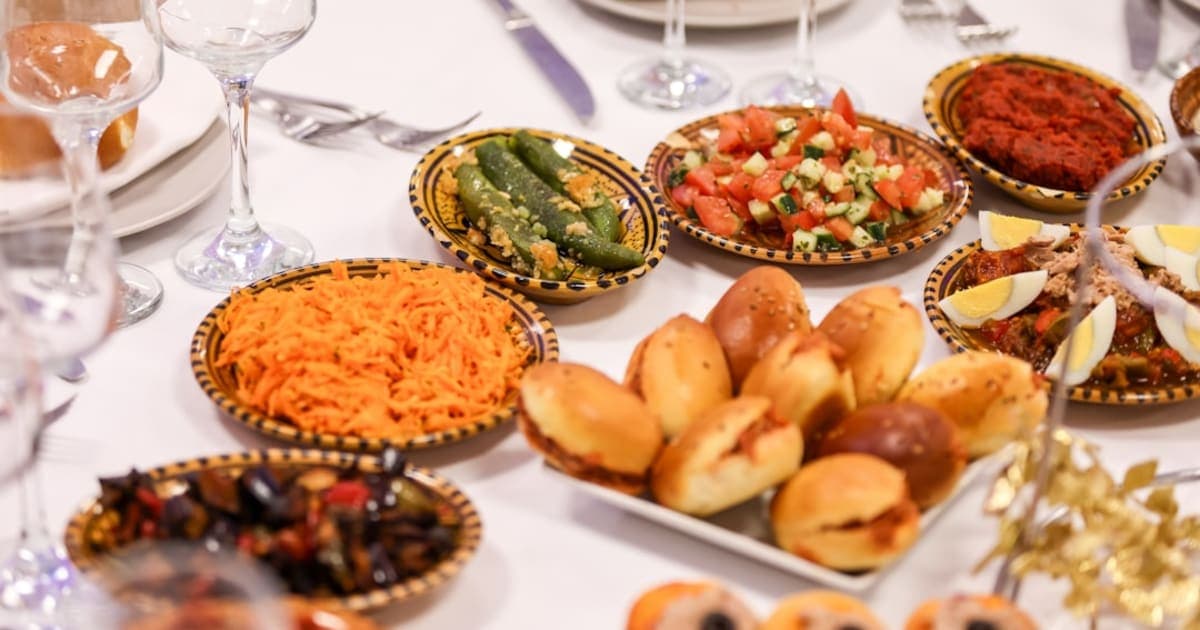
On the first night of Rosh Hashanah, Jewish tables around the world feature a unique and beautiful custom: eating symbolic foods, each accompanied by a short prayer for the coming year. These foods, known as simanim (signs or symbols), transform the holiday meal into a multisensory experience of hope, prayer, and sweetness.
The Custom of Simanim
The practice of eating symbolic foods on Rosh Hashanah is mentioned in the Talmud, which recommends eating certain foods whose names or qualities suggest blessings for the new year. Each food is held up before eating, and a short prayer (yehi ratzon -- "may it be Your will") is recited, connecting the physical food to a spiritual aspiration.
The Classic Simanim
Apple Dipped in Honey -- The most universally recognized Rosh Hashanah food. We dip a slice of apple in honey and say: "May it be Your will that You renew for us a good and sweet year." Many families use this as the opening of the simanim ceremony, right after the blessing over challah (which is also dipped in honey instead of salt on Rosh Hashanah).
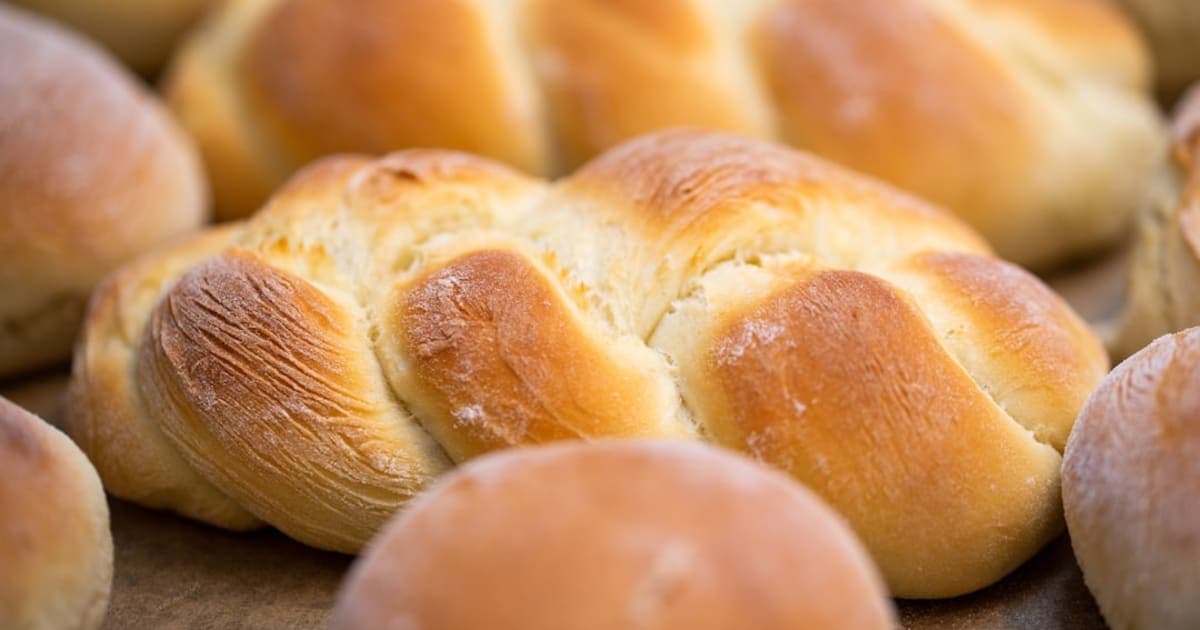
Round Challah Dipped in Honey -- The Rosh Hashanah challah is baked round, symbolizing the cycle of the year, the crown of divine kingship, and the completeness we seek. It is dipped in honey instead of the usual salt.
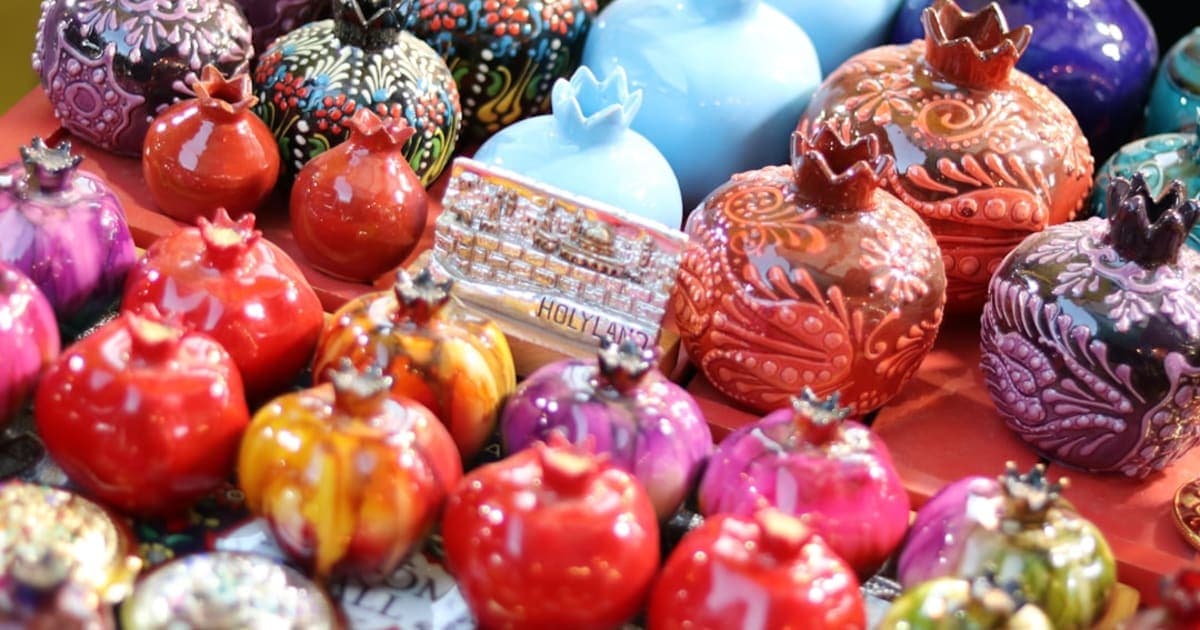
Pomegranate -- "May it be Your will that our merits increase like the seeds of a pomegranate." The pomegranate is said to contain 613 seeds, corresponding to the 613 commandments. The symbolism is powerful -- we pray to be filled with good deeds.
Fish Head -- "May it be Your will that we be as the head and not as the tail." A fish head (or sheep head in some Sephardi communities) represents our desire to be leaders rather than followers.
Dates (Tamar) -- "May it be Your will that our enemies be consumed." The Hebrew word tamar sounds like "be consumed" (yitamu). This is not a prayer against people but against forces of negativity.
Black-Eyed Peas (Rubia) -- "May it be Your will that our merits multiply." The word rubia connects to the Hebrew for increase (yirbu).
Leek (Karti) -- "May it be Your will that our enemies be cut off." The word karti sounds like the Hebrew for "cut off" (yikartu).
Beet (Silka) -- "May it be Your will that our adversaries depart." The word silka sounds like the Aramaic for "remove" (yistalku).
Gourd (Kra) -- "May it be Your will that any negative decree be torn up and our merits proclaimed." The word kra means both "gourd" and "tear/proclaim."
Ashkenazi and Sephardi Approaches
Ashkenazi families typically focus on apple and honey, round challah, and pomegranate. Sephardi families often prepare an elaborate simanim platter featuring all foods above and more. For the complete list, see our simanim guide.
Honey Cake and Sweet Foods
Beyond the simanim, the theme of sweetness pervades the entire Rosh Hashanah meal. Honey cake is a beloved Ashkenazi tradition. Families also serve tzimmes (sweet carrot or sweet potato dish), honey-glazed chicken, and fruit desserts.
Foods We Avoid
Some communities avoid sour, bitter, or sharp foods to keep the symbolism positive. Nuts are avoided in some Ashkenazi communities because the Hebrew word for nut (egoz) has the same numerical value as the word for sin (chet).
Making the Simanim Meaningful
The simanim ceremony is most powerful when approached with genuine intention. Take a moment with each food to think about its symbolism. For children, the combination of unusual foods, special prayers, and festive atmosphere makes a strong impression. Many families let children hold up each food and recite the prayer, creating memories that last a lifetime.
May your Rosh Hashanah table be filled with sweetness, meaning, and the joy of family. Shanah Tovah -- a good and sweet year to you and yours.