Pas Yisrael: The Ten Days of Repentance
Why Do Some Jews Only Eat Certain Bread During the Ten Days of Repentance?
Every year, during the ten days between Rosh Hashanah and Yom Kippur, many Jews who normally eat commercial bread suddenly become particular about buying only bread labeled "Pas Yisrael." What does this term mean, and why does it matter especially during this spiritually intense period?
The concept of Pas Yisrael (literally "bread of Israel" or "Jewish bread") is a fascinating area of kashrut that intersects with the broader themes of teshuvah (repentance) and spiritual growth. Understanding it enriches both your kosher practice and your appreciation of the Jewish calendar.
What Is Pas Yisrael?
Pas Yisrael refers to bread (and by extension, baked goods) that were baked with Jewish involvement in the baking process. Similar to bishul Yisrael (Jewish involvement in cooking), the Sages established a preference for bread baked by Jews or with Jewish participation.
The Original Decree
The Talmud records that the Sages forbade bread baked entirely by non-Jews (pas akum -- bread of non-Jews) as part of a broader set of enactments designed to maintain social boundaries between Jewish and non-Jewish communities. Bread, as a staple food and a centerpiece of shared meals, was seen as a particularly important item in this regard.
However, the decree was not uniformly applied. Because bread is such a basic necessity, the Sages recognized that in many times and places, Jewish-baked bread might not be readily available. This led to important distinctions in how the law is practiced.
Pas Yisrael vs. Pas Palter: The Key Distinction
Pas Yisrael
Bread baked by a Jewish person, or bread baked by a non-Jewish person with Jewish involvement (such as a Jew lighting the oven or placing the bread in the oven). This is the highest standard.
Pas Palter
Bread baked by a non-Jewish professional baker (a palter) who sells bread commercially. Many halachic authorities permit this bread under normal circumstances because:
- A professional baker is motivated by profit, not social bonding, so the original concern about excessive social intimacy is reduced
- Commercial bread is available to everyone, so accepting it does not create a special relationship
- Bread is a staple necessity, and requiring Pas Yisrael at all times could cause genuine hardship in many communities
Pas Akum
Bread baked by a non-Jewish individual (not a commercial baker) in their home. This is generally prohibited by all opinions, as it represents exactly the social-bonding scenario the Sages were concerned about.
The Ten Days of Repentance Connection
During the Aseret Yemei Teshuvah (the Ten Days of Repentance from Rosh Hashanah through Yom Kippur), there is a widespread custom to eat only Pas Yisrael, even among those who normally accept Pas Palter throughout the year.
Why the Heightened Standard?
The reason is beautiful in its simplicity: the Ten Days of Repentance are a time for spiritual elevation and self-improvement. Just as many people take on additional stringencies during this period -- praying with extra concentration, being more careful about speech, giving extra charity -- eating Pas Yisrael is a tangible way to elevate one's kashrut observance.
The idea is not that Pas Palter is somehow deficient -- it is a perfectly legitimate halachic position year-round. Rather, during these special days, we reach for a higher standard as an expression of our desire to grow closer to G-d.
What Does This Look Like in Practice?
- Checking bread labels for Pas Yisrael certification during the ten days
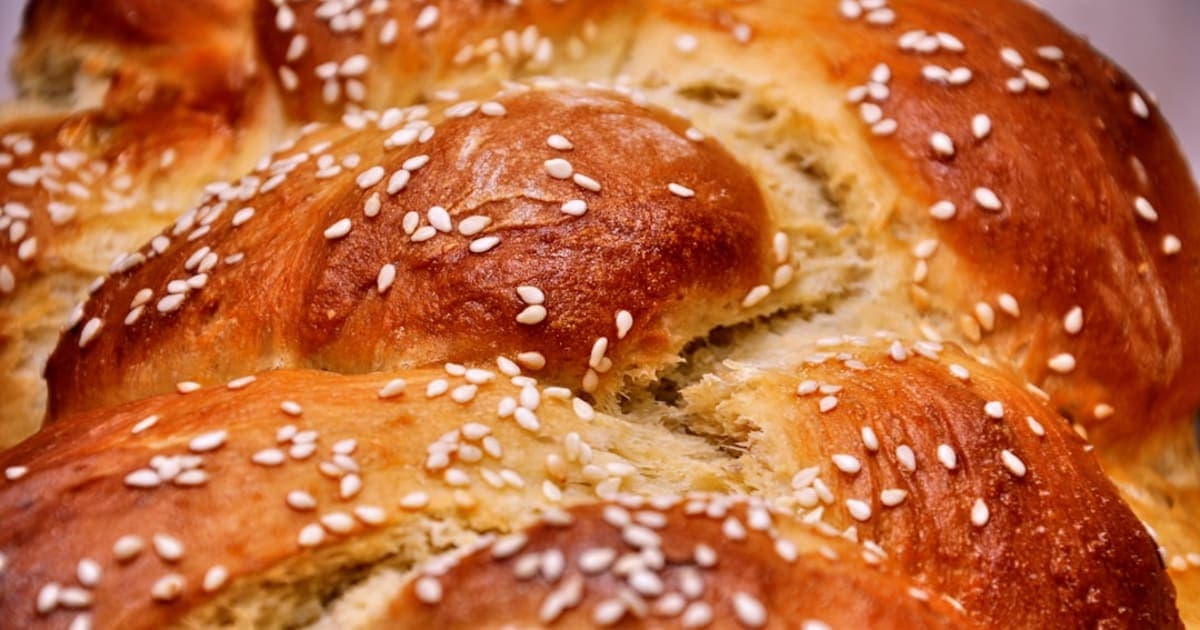
- Buying challah from a Jewish bakery rather than a supermarket brand
- Baking bread at home (automatically Pas Yisrael if baked by a Jewish person)
- Choosing crackers, rolls, and other baked goods with Pas Yisrael certification
Year-Round Pas Yisrael
Some communities and individuals maintain the Pas Yisrael standard throughout the year, not just during the Ten Days. This is particularly common in:
- Many Sephardi communities, following the ruling of the Beit Yosef that the original decree against non-Jewish bread applies broadly
- Some Chassidic communities
- Individuals who have taken on this practice as a personal stringency
- Communities in Israel, where Pas Yisrael products are widely available
How Pas Yisrael Is Achieved in Commercial Bakeries
Just as with bishul Yisrael in restaurants, Pas Yisrael in a commercial bakery does not require that a Jewish person do all the baking. The typical practice is:
- A Jewish person (usually the mashgiach or a Jewish employee) lights the oven or turns it on at the beginning of the baking day
- The actual mixing, shaping, and baking of the bread can be done by anyone
- Some stricter opinions require the Jewish person to place the bread in the oven
This simple act of Jewish involvement transforms the bread from Pas Palter to Pas Yisrael. When you see "Pas Yisrael" on a kosher label, it means this extra step was taken during production.
What Products Are Affected?
The Pas Yisrael requirement applies to items that are halachically classified as "bread" or bread-like baked goods. This includes:
- Bread -- All types (white, wheat, rye, sourdough, pita, etc.)
- Rolls and buns
- Challah
- Crackers -- Made from bread dough
- Pizza dough
- Bagels
- Some cakes and cookies -- Those made with bread-like dough (opinions vary)
Items that are generally not subject to the Pas Yisrael requirement include:
- Cakes and pastries that are clearly not bread-like
- Cookies that crumble rather than having bread texture
- Breakfast cereals
- Pasta (this falls under bishul Yisrael rules instead)
Reading Labels
When shopping, look for:
- "Pas Yisrael" or "PY" on the kosher certification label
- Some agencies use "Yoshon" and "Pas Yisrael" together on their labels
- If the label shows only a standard kosher symbol without "Pas Yisrael," the bread may be Pas Palter -- still kosher, but not at the Pas Yisrael standard
Practical Tips for the Ten Days
- Stock up before Rosh Hashanah -- Buy Pas Yisrael bread and challah before the holiday period begins
- Bake your own challah -- Homemade bread is automatically Pas Yisrael and is a beautiful way to prepare for Shabbat Shuvah
- Check your local bakery -- Many Jewish bakeries specifically advertise Pas Yisrael status, especially during the High Holiday season
- Do not stress over mistakes -- If you accidentally eat Pas Palter during the ten days, you have not done anything wrong -- Pas Palter is kosher. The Pas Yisrael custom during this period is a praiseworthy stringency, not a strict obligation for most people.
The practice of eating Pas Yisrael during the Ten Days of Repentance beautifully illustrates how kashrut and the Jewish calendar intertwine. Our food choices become a vehicle for spiritual growth, turning the simple act of choosing a loaf of bread into a meaningful expression of our desire to start the new year on the highest possible footing.