Bishul Yisrael in Restaurants
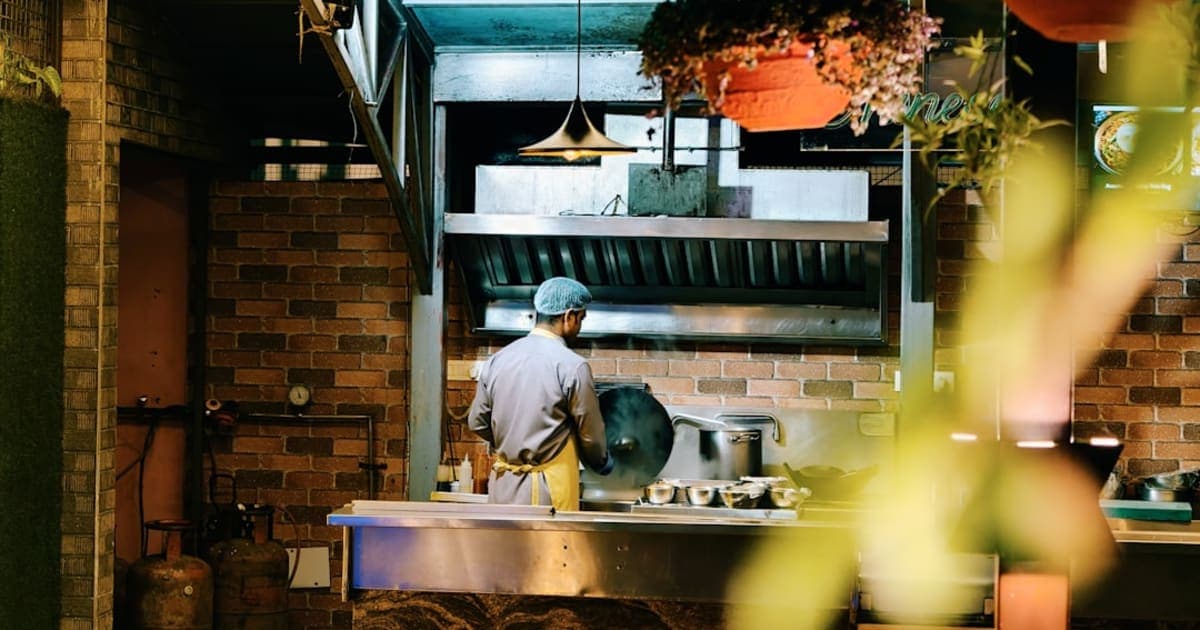
Who Lit the Fire Under Your Restaurant Meal?
Have you ever wondered what goes on behind the scenes in a kosher restaurant kitchen? Beyond the separation of meat and dairy, the checking of vegetables, and the use of certified ingredients, there is another requirement that many diners never think about: bishul Yisrael -- the requirement that a Jewish person participate in the cooking process for certain foods.
If you have ever eaten at a kosher restaurant, a Jewish person was involved in preparing your food in ways you probably did not realize. This article explains what bishul Yisrael means in a restaurant context, how it works in practice, and why it matters for your kosher observance.
What Is Bishul Yisrael? A Quick Refresher
Bishul Yisrael (literally "cooking of Israel" or "Jewish cooking") is a rabbinic enactment requiring that certain foods be cooked with the involvement of a Jewish person. The Sages instituted this rule to prevent excessive social familiarity between Jews and non-Jews that could lead to intermarriage -- a concern that may sound surprising in our modern context but was central to preserving Jewish identity in ancient times.
Not all foods require bishul Yisrael. The requirement applies only to foods that meet two conditions:
- The food cannot be eaten raw -- Items like fruits, salads, and sushi-grade fish that are commonly eaten uncooked do not require bishul Yisrael.
- The food is dignified enough to be served at a formal meal -- Simple, casual foods (like popcorn or plain boiled eggs, according to some opinions) may not require it.
For a deeper dive into the underlying law, see our full article on bishul Yisrael and Jewish cooking laws.
How Does a Restaurant Fulfill Bishul Yisrael?
In a home kitchen, fulfilling bishul Yisrael is straightforward -- a Jewish family member lights the fire or places the food on the heat source. But in a busy restaurant kitchen with multiple cooks, multiple burners, and hundreds of dishes going out each night, the logistics become far more complex.
The Role of the Mashgiach
The key figure in a kosher restaurant is the mashgiach -- the kosher supervisor. In many restaurants, the mashgiach is the person who fulfills the bishul Yisrael requirement. Here is how this typically works:
- Lighting the pilot lights -- In many kosher restaurants, the mashgiach lights the pilot lights on the stoves and ovens at the start of the day. Since the cooking fire was ignited by a Jewish person, all cooking done on those burners throughout the day is considered bishul Yisrael.
- Turning on the oven -- The mashgiach may be the one who turns on the ovens each morning, establishing Jewish involvement in the cooking process.
- Adjusting the flame -- In some halachic opinions, even adjusting the flame or temperature during cooking is sufficient Jewish participation.
- Placing food on the fire -- In stricter interpretations, the mashgiach or another Jewish staff member physically places key dishes on the heat source.
The Different Standards
Not all kosher restaurants handle bishul Yisrael the same way. The differences depend on which halachic opinion the certifying agency follows:
- Sephardi standard (stricter) -- Many Sephardi authorities require that the Jewish person actually place the food on the fire or do the primary cooking action. Simply lighting the pilot light may not be sufficient.
- Ashkenazi standard (more lenient) -- Many Ashkenazi authorities accept that if a Jewish person lit the fire (even just the pilot light), all cooking done on that fire qualifies as bishul Yisrael.
- The Rema's opinion -- Some follow the view that in a commercial setting, the rules may be applied slightly differently than in a private home, since the social concerns that motivated the decree are less applicable in a professional kitchen.
What Happens in Practice: A Day in a Kosher Kitchen
Here is what a typical day might look like in a kosher restaurant with respect to bishul Yisrael:
- Early morning -- The mashgiach arrives before the kitchen opens. He or she turns on all ovens and lights all pilot lights on the stovetops.
- Prep work -- Non-Jewish kitchen staff can handle food preparation (cutting vegetables, marinating meat, mixing ingredients) without bishul Yisrael concerns, since these are not cooking actions.
- Cooking -- Under the Ashkenazi approach, once the fires are lit by the mashgiach, the non-Jewish cooks can proceed to cook on those burners throughout the day. Under the stricter Sephardi approach, the mashgiach may need to be more actively involved -- placing pots on the fire or at least turning on each individual burner as needed.
- Monitoring -- The mashgiach remains in the kitchen during operating hours, ensuring all kashrut standards are maintained -- not just bishul Yisrael but also checking that ingredients are kosher, vegetables are properly checked for insects, and meat and dairy are kept separate.
- If the fire goes out -- If a burner goes out and is relit, the mashgiach must relight it to maintain the bishul Yisrael status.
Restaurant Types and Bishul Yisrael
Full-Service Kosher Restaurants
These typically have a full-time mashgiach present during all operating hours. Bishul Yisrael is carefully maintained for all cooked dishes. This is the most straightforward scenario.
Hotel Kitchens and Catering
Large-scale operations like hotel banquets and catering events require careful planning. The mashgiach must ensure that every cooking station has been properly lit and that the bishul Yisrael chain is maintained even with temporary setups and different cooking locations.
Takeout and Fast Food
Even quick-service kosher establishments must maintain bishul Yisrael. The same pilot-light system typically applies, though the simpler menus often mean fewer items require bishul Yisrael attention.
Food Trucks and Pop-Ups
Mobile kosher operations present unique challenges since they set up fresh each day. The mashgiach must be present at setup to light fires and establish bishul Yisrael for each service.
Common Questions Diners Ask
Can I Eat at a Restaurant That Does Not Have Bishul Yisrael?
A restaurant with a reliable kosher certification should be maintaining bishul Yisrael as part of its overall kosher standards. If a restaurant claims to be kosher but does not address bishul Yisrael, this is a significant red flag about the quality of its supervision.
Does the Chef Need to Be Jewish?
No. The chef and cooking staff do not need to be Jewish. What is required is that a Jewish person be involved in the cooking process -- typically by lighting the fire. The actual preparation and cooking can be done by anyone.
What About Reheated Food?
If food was originally cooked with bishul Yisrael and is merely being reheated, most authorities agree that the reheating does not require additional Jewish involvement. The bishul Yisrael status was established during the initial cooking.
Does This Apply to All Foods at the Restaurant?
No. As mentioned above, foods that can be eaten raw (like salads and certain fish dishes) or that are not considered dignified enough for a formal table do not require bishul Yisrael. The requirement focuses on foods like grilled meats, cooked fish, roasted vegetables, baked goods, rice dishes, and similar cooked items that form the main part of a meal.
Why This Matters for You
Understanding bishul Yisrael in restaurants helps you in several ways:
- Evaluating kosher certifications -- When you see a restaurant's kosher certificate, you can appreciate the breadth of what it covers, including bishul Yisrael.
- Asking informed questions -- If you follow a stricter standard, you can ask the restaurant which approach to bishul Yisrael they follow.
- Appreciating the mashgiach -- The person behind the scenes ensuring your food is kosher is doing far more than checking ingredients -- they are an active participant in the cooking process.
The next time you enjoy a meal at a kosher restaurant, you can appreciate the layers of care and tradition that went into preparing your food. From the lighting of the first flame in the morning to the last dish that leaves the kitchen at night, bishul Yisrael is one of the quiet but essential elements that makes kosher dining meaningful.