Pareve: The Neutral Category
What Is the Third Category of Kosher Food That Nobody Talks About?
When most people think about keeping kosher, they think about the separation of meat and dairy. But there is a crucial third category that makes the whole system work: pareve (also spelled parve or parev). Understanding pareve is not just academic -- it is the key to practical, everyday kosher cooking and eating.
What Pareve Means
Pareve (the word comes from Yiddish) refers to foods that are inherently neither meat nor dairy. These neutral foods can be eaten with either a meat meal or a dairy meal, making them the most versatile category in the kosher kitchen.
The main categories of pareve foods include:
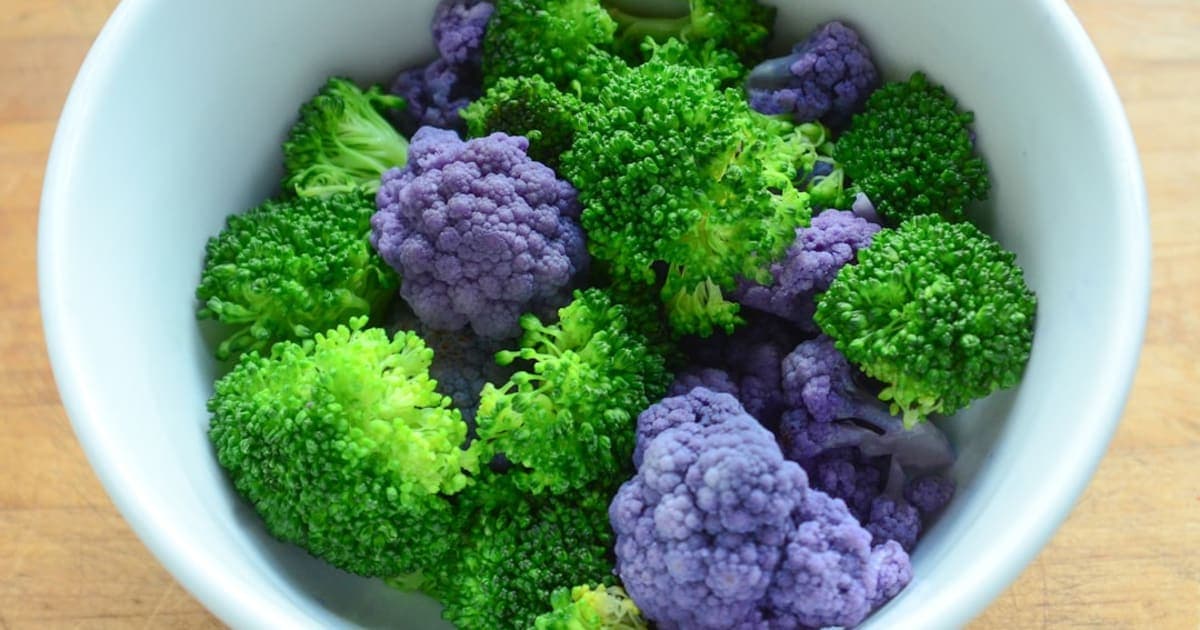
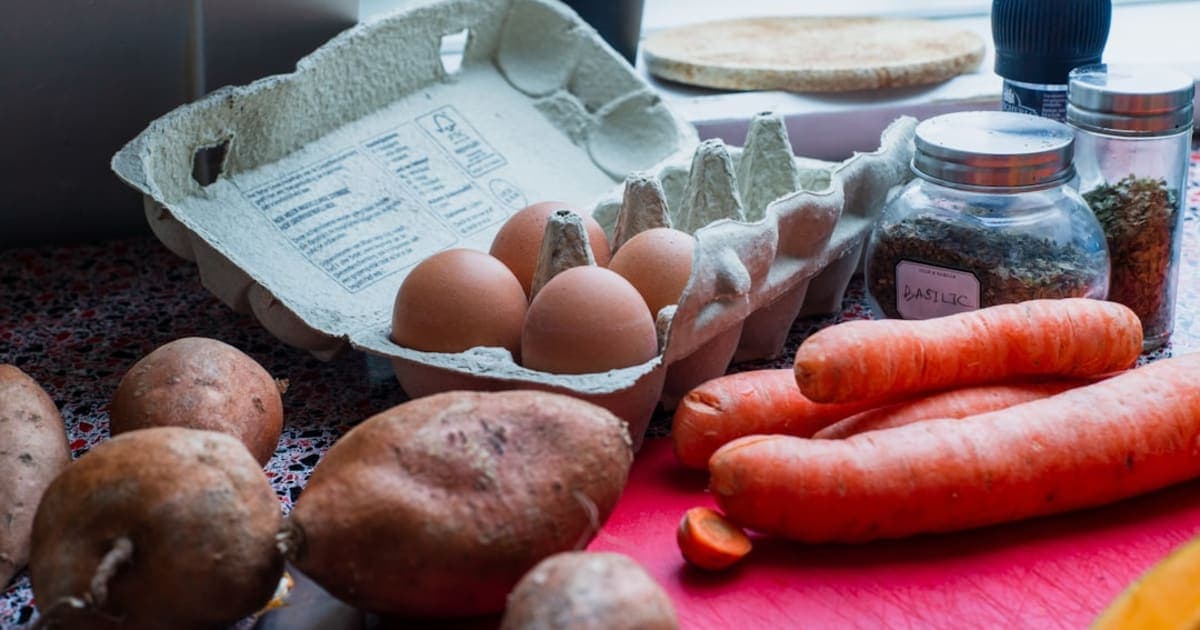
- Fruits and vegetables -- All raw produce is pareve (though they must be checked for insects where required)
- Grains and legumes -- Wheat, rice, oats, beans, lentils, etc.
- Eggs -- From kosher birds (chicken, turkey, duck, etc.)
- Fish -- Fish with fins and scales is pareve (not meat!)
- Nuts and seeds -- All varieties
- Oils -- Vegetable oils, olive oil, etc.
- Sweeteners -- Sugar, honey, maple syrup
- Spices and herbs
- Water and most beverages -- Coffee, tea, juice (grape juice has special wine-related rules)
Why Pareve Matters So Much
The practical importance of pareve cannot be overstated. In a kosher kitchen where meat and dairy must be completely separated, pareve foods serve as the bridge between the two worlds.
Flexibility in Meal Planning
A pareve side dish, salad, or dessert can accompany either a meat or dairy meal. This means:
- A vegetable stir-fry prepared in a pareve pan can be served at either a meat or dairy meal
- A pareve cake can be dessert after a steak dinner or after a cheese lasagna
- A fruit salad is always welcome at any table
Simplifying Entertaining
When hosting Shabbat guests or planning a party, pareve appetizers and desserts give you maximum flexibility. If you are not sure whether to make the meal meat or dairy, pareve dishes work either way.
When Pareve Becomes Meat or Dairy
Here is where things get interesting. Pareve foods can lose their neutral status if they come into contact with meat or dairy during cooking or preparation. This is one of the most important practical concepts in keeping kosher.
Cooking Changes Status
- Vegetables cooked in a meat pot -- If you sauté onions in a pot that is designated for meat (even if no meat is present), the onions may become meaty (according to some opinions) or at minimum must be treated with caution
- Pareve food cooked with meat fat -- Obviously becomes meat
- Bread baked with butter -- Becomes dairy
- Fish fried in a dairy pan -- May become dairy (opinions vary)
The Concept of Absorbed Flavor
Jewish law recognizes that cooking vessels absorb flavor from the food cooked in them. A pot used for chicken soup retains microscopic meat flavor in its walls. When you subsequently cook pareve vegetables in that pot, the absorbed meat flavor transfers to the vegetables, potentially making them meaty.
This is why serious kosher kitchens maintain three sets of equipment:
- Meat pots, pans, and utensils
- Dairy pots, pans, and utensils
- Pareve pots, pans, and utensils
The pareve set allows you to prepare truly neutral foods that can be served with anything. If you are setting up a kosher kitchen, investing in at least a basic pareve set (a pot, a pan, and a set of utensils) is highly recommended.
Fish: The Surprising Pareve Food
One of the most commonly misunderstood aspects of kashrut is the status of fish. Fish is pareve, not meat. This means:
- You can eat fish at a dairy meal (think: lox and cream cheese, tuna melts, fish with butter sauce)
- You can also eat fish at a meat meal
- Fish does NOT require waiting before or after dairy or meat
However, there is a traditional Ashkenazi custom not to eat fish and meat cooked together or on the same plate, based on a health concern mentioned in the Talmud. This does not make fish "meat" -- it remains pareve. The custom simply means you should eat fish as a separate course at a meat meal rather than mixing them together. Many families serve gefilte fish as a separate first course at the Shabbat meal for precisely this reason.
Eggs: Important Pareve Details
Eggs are pareve, but there are a few important details:
- Blood spots -- An egg with a blood spot should be discarded (or the blood spot removed, according to some opinions). This is checked by cracking eggs into a clear glass or bowl before using them.
- Eggs from non-kosher birds -- Only eggs from kosher species are kosher. In practice, chicken, turkey, duck, and goose eggs are all kosher and readily available.
- Fertilized eggs -- If a fertilized egg has developed to the point where the embryo is visible, it is not kosher.
Common Pareve Pitfalls
Natural Does Not Always Mean Pareve
Some naturally pareve ingredients may be processed on dairy or meat equipment, affecting their status. For example:
- Dark chocolate is naturally pareve (cocoa, sugar, cocoa butter), but many brands add milk or process on dairy equipment
- Margarine is made from vegetable oils (pareve) but some brands contain trace dairy ingredients
- Some breads contain dairy ingredients like whey or casein
This is why checking kosher certification symbols is so important. A product labeled with a "D" or "Dairy" designation next to the kosher symbol contains dairy or was made on dairy equipment, even if the ingredient list looks pareve.
The Bread Issue
There is actually a special halachic rule about bread: it should ideally be pareve. The Sages recognized that bread is such a staple food, eaten at virtually every meal, that making it meat or dairy would create constant problems. Bread baked with meat ingredients or dairy ingredients might accidentally be eaten at the wrong type of meal.
Therefore, the Sages ruled that bread should generally be baked pareve, with exceptions for small quantities clearly intended for a specific meal. This is why commercial kosher bakeries generally produce pareve bread, and dairy or meat bread should be made in a distinctive shape to prevent confusion.
Reading Kosher Labels for Pareve
When shopping, here is how to identify pareve products:
- No designation -- A kosher symbol with no additional letters usually means pareve
- P -- Next to the kosher symbol means "Pareve" (not "Passover" -- Passover is usually indicated by "Passover" or a "P" in a specific position depending on the certifying agency)
- D -- Means dairy (not pareve)
- DE -- Means "Dairy Equipment" -- made on equipment that also processes dairy. Technically pareve by ingredient, but may not be used with meat according to some authorities.
- M or Meat -- Contains meat ingredients (not pareve)
Pareve in Practice: Building Your Kosher Kitchen
Here are practical tips for managing pareve foods in your kitchen:
- Designate pareve storage -- Keep a shelf or area in your pantry for clearly pareve ingredients
- Color-code -- Many kosher families use color coding: red for meat, blue for dairy, and green for pareve
- Label leftovers -- Mark pareve leftovers so you know they can go with either meal
- Invest in pareve bakeware -- Having pareve baking sheets and cake pans means your baked goods are always flexible
- Think pareve for desserts -- When in doubt, make dessert pareve so it works with any meal
Pareve is the unsung hero of the kosher kitchen. It is the category that makes meal planning possible, that gives cooks flexibility, and that bridges the fundamental divide between meat and dairy. Master pareve, and you have mastered the practical heart of kosher cooking.