Grape Juice vs. Wine for Kiddush
Is Grape Juice Really OK for Kiddush, or Do You Need Wine?
Picture this: it is Friday evening, the candles are lit, the family is gathered around the table, and it is time for Kiddush. You reach for the bottle -- but should it be wine or grape juice? This question comes up in almost every Jewish household at some point, whether because of personal preference, health concerns, children at the table, or simply because the wine ran out.
The good news is that both wine and grape juice are valid options for Kiddush. But the details matter, and understanding the halachic background will help you make the best choice for your family and your Shabbat table.
What Kiddush Actually Requires
Kiddush -- the sanctification of Shabbat and holidays -- is a Torah obligation. The Sages established that this sanctification should be made over a cup of wine, connecting the holiness of the day to a beverage associated with joy and celebration in Jewish tradition.
The halachic requirements for the Kiddush beverage are:
- It must be grape-based -- Either wine (fermented grape juice) or unfermented grape juice
- It must be kosher -- Produced under proper kosher wine supervision
- A minimum amount -- The cup must hold at least a revi'it (approximately 3-4 fluid ounces depending on the opinion), and a majority of that amount should be drunk
- The cup must be full -- Or at least close to full
Wine: The Traditional First Choice
Wine holds a special place in Jewish ritual. It is associated with joy, celebration, and sanctity throughout the Torah and rabbinic literature. The blessing over wine (borei pri hagafen) is considered one of the most important blessings, and wine is used for numerous mitzvot including Kiddush, Havdalah, weddings, and the Passover Seder.
Advantages of Using Wine
- Preferred by halacha -- Most authorities agree that wine is the ideal choice when available and appropriate
- Tradition -- Wine has been the standard Kiddush beverage for thousands of years
- Taste of celebration -- Quality kosher wine enhances the festive atmosphere of the Shabbat meal
- Halachic consensus -- There is no dispute about wine's validity for Kiddush
What Makes Wine Kosher?
Not just any wine will do. Kosher wine must be produced under rabbinic supervision from start to finish. This includes the grape crushing, fermentation, and bottling processes. For more details on kosher wine production and the concept of mevushal (cooked) wine, see our guide to kosher wine and mevushal.
Red vs. White Wine
While there is a traditional preference for red wine for Kiddush -- based on the verse in Proverbs about wine being red -- white wine is perfectly acceptable. If you prefer white wine or find a particularly good kosher white, feel free to use it. Some authorities even suggest that a high-quality white wine is preferable to a mediocre red.
Grape Juice: A Perfectly Valid Alternative
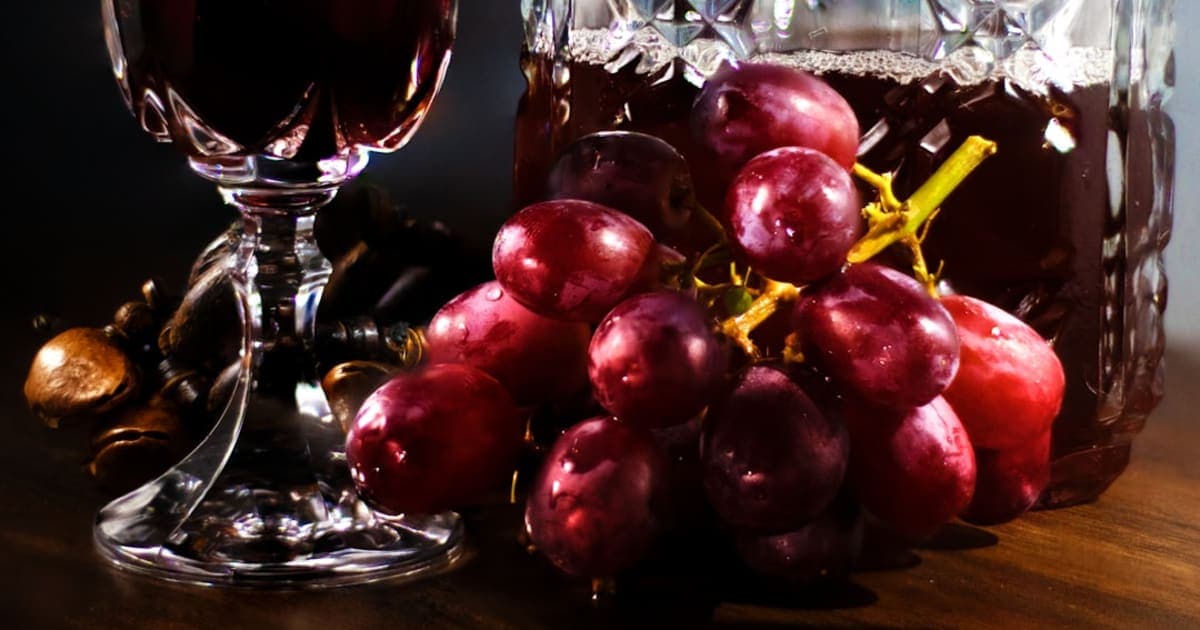
Grape juice -- pure, unfermented juice from grapes -- is absolutely valid for Kiddush according to the vast majority of halachic authorities. The key reason is that grape juice shares the same blessing as wine (borei pri hagafen), and the requirement for Kiddush is fundamentally about making the blessing over the fruit of the vine.
When Grape Juice Is Preferred
- Health reasons -- For those who cannot drink alcohol due to medical conditions, medication interactions, or recovery from addiction, grape juice is not merely permitted but the right choice
- Children -- When children are making their own Kiddush (at a Shabbat party, youth program, etc.), grape juice is appropriate and preferred
- Pregnancy and nursing -- Pregnant or nursing women may prefer grape juice to avoid alcohol
- Personal preference -- Some people simply do not enjoy the taste of wine, and there is no requirement to suffer through Kiddush
- Daytime Kiddush -- For Shabbat morning Kiddush, many people prefer grape juice since drinking wine early in the day can make them drowsy for the afternoon
Is There Any Halachic Downside to Grape Juice?
Some authorities note a few considerations:
- Wine is technically preferred -- When all else is equal, wine is the first choice because it has the additional quality of being a fermented, celebratory beverage
- The Chazon Ish's opinion -- A minority opinion held that grape juice may not be ideal for Kiddush since it lacks the "importance" of wine. However, the overwhelming majority of authorities disagree and fully accept grape juice
- Passover Seder -- For the four cups at the Passover Seder, there is a stronger preference for actual wine, though grape juice is still acceptable when necessary
Mixing Wine and Grape Juice
A very popular approach is to mix wine with grape juice. This gives you the halachic advantage of using wine while reducing the alcohol content and sweetening the taste. This is especially common for:
- Friday night Kiddush at family meals with children
- People who find straight wine too strong or bitter
- Large Kiddush gatherings where the wine needs to go further
The mixture should have enough wine to be recognizable -- most authorities suggest at least a majority of wine, though some are lenient with any noticeable amount. Adding a splash of grape juice to your wine cup is universally accepted.
Practical Tips for Your Kiddush
Choosing a Good Kosher Wine
- Look for a reliable kosher certification on the label
- Israeli wines have become world-class in recent decades -- try wines from the Golan Heights, Galilee, or Judean Hills
- Semi-sweet wines are popular for Kiddush because they are pleasant to drink in the required amount
- If you will be serving the wine to guests who are not Jewish, consider using mevushal wine to avoid potential halachic issues
Choosing Good Grape Juice
- Look for 100% grape juice with kosher certification
- Concord grape juice is the classic choice but any kosher grape juice works
- White grape juice is also acceptable
- Some specialty brands make grape juice specifically for Kiddush
How Much to Pour
The cup should hold at least a revi'it -- approximately 3.3 to 5.1 fluid ounces depending on which halachic measurement you follow. Most standard Kiddush cups hold around 4-5 ounces, which satisfies all opinions. Fill the cup to the top or close to it.
How Much to Drink
The person making Kiddush should drink most of a revi'it (a cheekful, roughly 2 ounces). Others at the table fulfill their obligation by listening to the Kiddush and answering Amen, though it is customary for everyone to also have a sip from the Kiddush wine.
Special Situations
Recovering Alcoholics
Someone in recovery from alcohol addiction should absolutely use grape juice. Pikuach nefesh (the preservation of life and health) is one of the highest values in Judaism, and no authority would suggest that a recovering alcoholic should risk their sobriety for Kiddush wine. Grape juice fulfills the mitzvah completely.
When You Have Neither Wine Nor Grape Juice
If neither wine nor grape juice is available, Kiddush can be made over lechem mishneh -- the two loaves of challah. This is a valid backup option recognized by all authorities. The blessing over bread replaces the wine blessing, and you proceed with the rest of the Shabbat meal as usual.
Shabbat Day Kiddush
The Saturday morning Kiddush (Kiddush Rabbah) is shorter than Friday night's and has somewhat more lenient requirements. Many people use grape juice for the morning Kiddush since drinking wine before lunch can make the afternoon nap a bit too long. Some authorities are even lenient to allow other beverages for the morning Kiddush in certain circumstances, though wine or grape juice remains the standard practice.
Whether you raise a cup of full-bodied Cabernet or sweet Concord grape juice this Shabbat, the most important thing is the intention behind it -- sanctifying the day, gathering with family, and pausing to appreciate the gift of rest. The vessel matters less than what it represents.