Mevushal Wine: Why Boil It?
Why Would Anyone Boil Perfectly Good Wine?
If you have ever browsed the kosher wine section, you have probably noticed that some bottles are labeled "mevushal" and others are not. You might also have noticed that mevushal wines are often less expensive than their non-mevushal counterparts. So what is mevushal, why does it exist, and does it really matter for your Shabbat Kiddush or dinner party?
The concept of mevushal wine touches on one of the most ancient and fascinating areas of kashrut -- the special laws governing wine and grape products. Understanding mevushal opens a window into Jewish history, theology, and the practical realities of keeping kosher in a diverse world.
Wine Has Special Status in Jewish Law
Before we can understand mevushal, we need to understand why wine has unique rules in kashrut that do not apply to other foods or beverages. In Jewish law, wine occupies a special category because of its historical association with religious ritual -- both Jewish and non-Jewish.
In ancient times, wine was commonly used as a libation (an offering poured out) in pagan worship. Because of this association, the Sages enacted strict rules about wine that has been touched or handled by someone who might use it for idolatrous purposes. This category of prohibited wine is called stam yeinam (ordinary wine of non-Jews) and yayin nesech (wine used for or dedicated to idolatrous worship).
The Practical Impact
In practical terms, these ancient rules mean that:
- Kosher wine that is opened, poured, or handled by a non-Jewish person may lose its kosher status
- Even a non-observant Jewish person, according to some opinions, can affect the wine's status through handling
- This applies to wine and grape juice, but not to other beverages
This creates real challenges in modern life. What happens when a non-Jewish waiter pours your wine at a restaurant? What about a non-Jewish caterer serving wine at an event? What if a non-Jewish family member picks up the wine bottle at your Shabbat table?
Mevushal: The Solution
This is where mevushal comes in. The word mevushal means "cooked" or "boiled" in Hebrew. Wine that has been heated to a high temperature is no longer subject to the restrictions about non-Jewish handling. Once wine is mevushal, it maintains its kosher status regardless of who touches, pours, or serves it.
Why Does Boiling Change the Rules?
The reasoning goes back to the original concern about pagan libations. Wine used for idolatrous rituals was always uncooked, natural wine. Boiled wine was not considered suitable for ritual libation purposes. Therefore, mevushal wine does not carry the same risk of being associated with improper worship, and the rabbinic restrictions do not apply to it.
How Is Wine Made Mevushal?
In ancient times, making wine mevushal literally meant boiling it. Today, kosher wineries use a more sophisticated process called flash pasteurization:
- The wine is rapidly heated to approximately 185-195 degrees Fahrenheit (85-90 degrees Celsius)
- It is held at that temperature for a very brief period
- It is then quickly cooled back down
- The entire process takes only seconds
This method is far gentler than actual boiling and preserves much more of the wine's character, aroma, and flavor than traditional boiling would.
When Do You Need Mevushal Wine?
Here are the common situations where mevushal wine is important:
Mixed Company at Meals
If you are hosting a meal with non-Jewish guests, using mevushal wine means you do not need to worry about who pours or touches the wine. This is perhaps the most common reason people choose mevushal for Shabbat hosting and other gatherings.
Restaurants and Catering
Kosher restaurants and caterers almost always use mevushal wine because the serving staff may include non-Jewish workers. The mashgiach (kosher supervisor) oversees many aspects of the kitchen, but it would be impractical to ensure that only Jewish waitstaff ever touch the wine bottles.
Weddings and Large Events
At large simchas (celebrations), mevushal wine simplifies service enormously. Bartenders, caterers, and guests can all handle the wine freely.
When Non-Observant Family Visits
In some halachic opinions, wine handled by a non-observant Jewish person who publicly violates Shabbat may also be affected by the stam yeinam restrictions. Mevushal wine avoids this sensitive issue entirely.
Does Mevushal Wine Taste Different?
This is the question wine enthusiasts always ask, and the honest answer is: it depends.
The Historical Stigma
Traditionally, mevushal wines had a reputation for being lower quality. The old boiling process genuinely damaged the wine's delicate flavors and aromas. This is why many kosher wine connoisseurs preferred non-mevushal wines.
Modern Improvements
Flash pasteurization technology has dramatically narrowed the gap. Many modern mevushal wines are excellent, and in blind tastings, even experienced tasters often cannot distinguish between mevushal and non-mevushal wines of similar quality.
That said, some very high-end winemakers still choose not to make their top wines mevushal, believing that the heating process -- however brief -- affects the wine's aging potential and the most subtle flavor nuances. This is why the most expensive kosher wines tend to be non-mevushal.
Grape Juice and Mevushal
The same rules that apply to wine also apply to grape juice, since grape juice is essentially unfermented wine. However, most commercially produced grape juice is pasteurized during production, which effectively makes it mevushal. So if you are using grape juice for Kiddush, it is almost certainly already mevushal.
Non-Mevushal Wine: When It Matters
For a meal where everyone present is Jewish and observant, non-mevushal wine is the preferred choice from a quality standpoint. Some halachic authorities actually prefer non-mevushal wine for Kiddush and other mitzvot, viewing it as a more complete and unaltered form of wine.
If you choose non-mevushal wine, be aware of these practical points:
- Only Jewish and observant persons should pour and serve the wine
- If a non-Jewish person touches an open bottle or pours from it, the wine may no longer be kosher (consult your rabbi about specific situations)
- An unopened, sealed bottle is not affected by non-Jewish handling -- the concern only applies to opened wine
- Moving a closed bottle without opening or pouring is generally not a problem
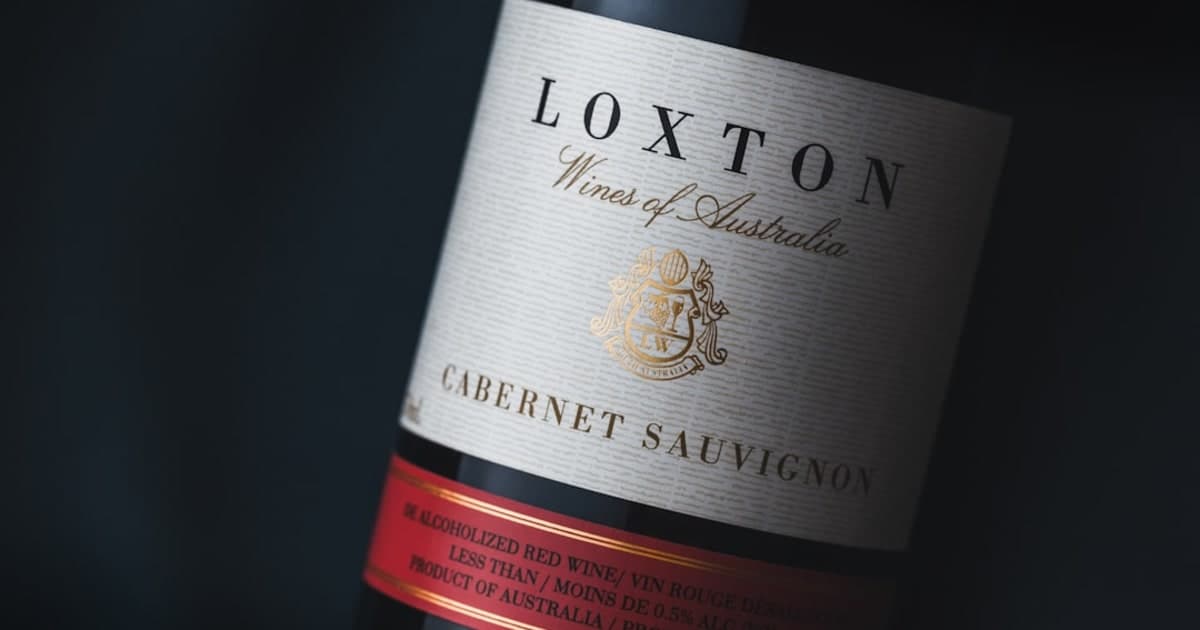
Checking the Label
How do you know if a wine is mevushal? Look for:
- The word "Mevushal" on the label (usually near the kosher certification symbol)
- Some labels say "Cooked" or "Flash Pasteurized"
- The back label often indicates mevushal status
- If in doubt, check the certifying agency's website or ask your wine store
A Practical Summary
| Situation | Best Choice |
|---|---|
| Shabbat with family only (all observant) | Either; non-mevushal if you prefer |
| Shabbat with non-Jewish or non-observant guests | Mevushal |
| Restaurant or catered event | Mevushal |
| Wine gift for uncertain setting | Mevushal (safer choice) |
| Special occasion wine tasting | Non-mevushal for best quality |
The mevushal system is a beautiful example of how Jewish law provides practical solutions to real-world challenges. It allows kosher wine to be enjoyed freely in diverse social settings while maintaining the ancient sanctity and special status of wine in Jewish life. Whether you reach for mevushal or non-mevushal this Shabbat, you are participating in one of the oldest wine traditions in human history.