Pirsumei Nisa: Publicizing the Miracle
Pirsumei Nisa: Publicizing the Miracle of Chanukah
Why do we place the menorah in the window? Why do communities hold massive public menorah lightings in city squares? And why does Jewish law care so much about who can see your Chanukah candles? The answer lies in one of the most beautiful and unique concepts in Jewish life: pirsumei nisa, the obligation to publicize the miracle.
What Does Pirsumei Nisa Mean?
The Hebrew phrase pirsumei nisa literally translates to "publicizing the miracle." It is a principle established by the Talmudic sages as the foundation of the Chanukah observance. The idea is simple but profound: the miracles God performed for the Jewish people should not be kept private. They should be shared openly so that everyone, Jews and non-Jews alike, can witness and be inspired by them.
This is why lighting the menorah is not just about having candles burning in your home. It is about making those candles visible to the outside world. The menorah is, in a sense, a billboard for miracles.
Where to Place Your Menorah
The placement of the menorah is directly governed by the principle of pirsumei nisa. Jewish law provides a clear hierarchy of preferred locations:
The Ideal: Outside the Front Door
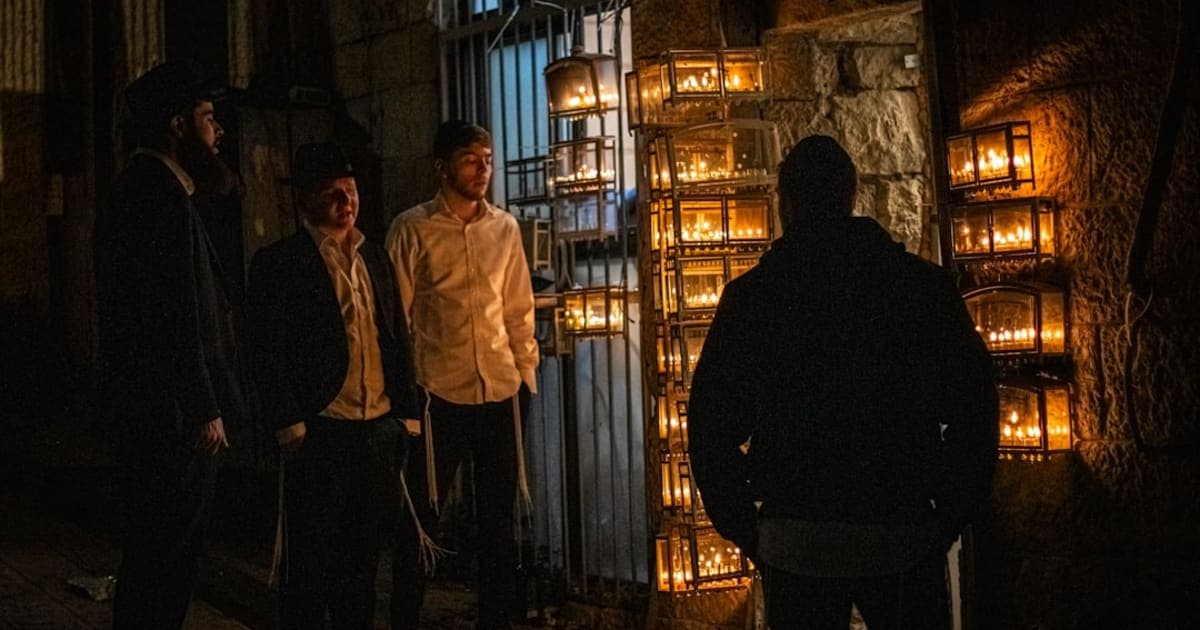
In Talmudic times, and still today in many neighborhoods in Israel, the menorah is lit outside the front door of the home, on the left side as you enter. This placement creates a beautiful symmetry: the mezuzah is on the right doorpost, the menorah is on the left, and the person walking through the door is surrounded by mitzvot on both sides.
The menorah should ideally be placed within approximately 10 handbreadths (about 30 to 40 inches) from the ground, which is roughly at eye level for passersby. If placed too high, people might not notice it; too low, and it might be mistaken for a random candle rather than a Chanukah menorah.
In a Window Facing the Street
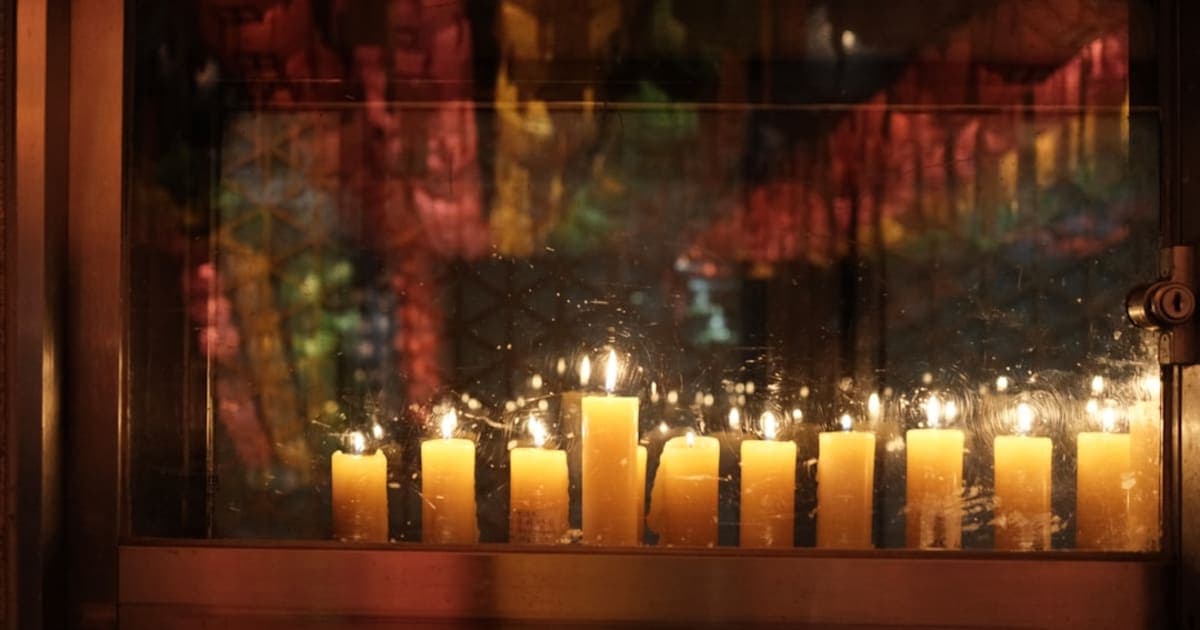
In the Diaspora, where weather, safety, or apartment living make outdoor placement impractical, the most common location is a window that faces the public street. This allows the menorah to be seen by people passing by, fulfilling pirsumei nisa even from inside the home. Many families specifically choose a window on the ground floor or the side of the house facing the most foot traffic.
Inside the Home
If neither outdoor placement nor a street-facing window is possible, lighting the menorah inside the home on a table is acceptable. In this case, the "audience" for pirsumei nisa is the members of the household. While this is the minimum requirement, it still fulfills the mitzvah.
The Three Levels of the Mitzvah
The Talmud describes three levels of fulfilling the mitzvah of Chanukah lights, each with increasing beauty:
- Basic (Mitzvah): One candle per household per night. Just one light each evening is enough to fulfill the basic obligation.
- Enhanced (Mehadrin): One candle per person in the household per night. If you have five family members, five candles are lit each night.
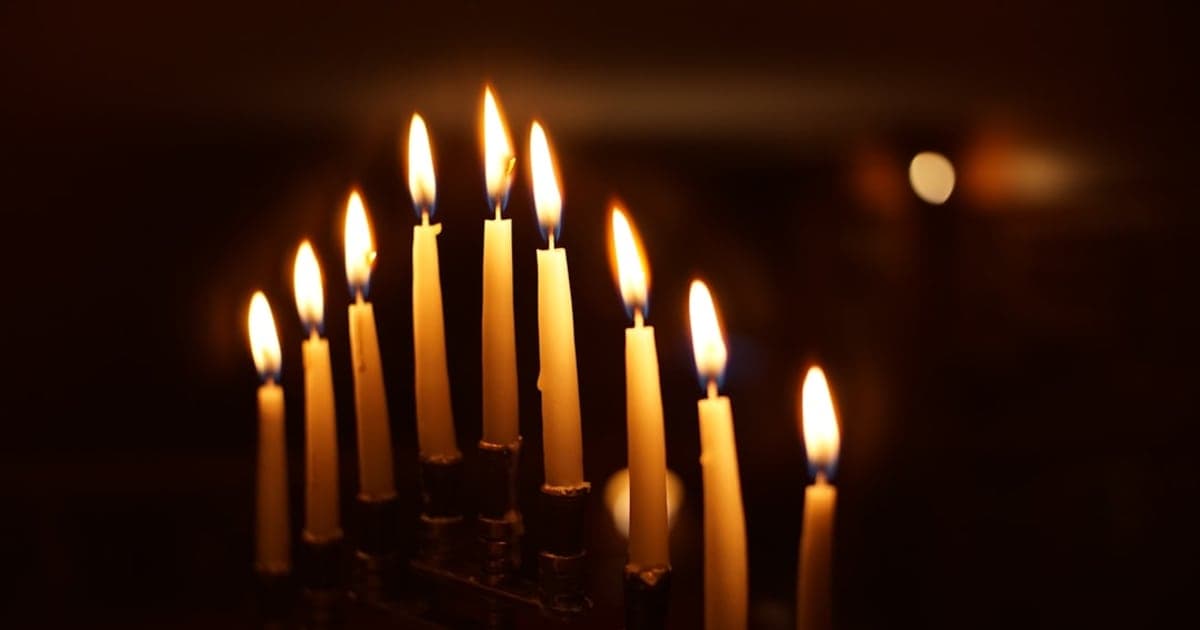
- Most beautiful (Mehadrin min ha'mehadrin): Each person lights an increasing number of candles each night, starting with one on the first night, two on the second, and so on until eight on the final night. This is the practice followed by virtually all Jews today, and it is the source of the custom we are all familiar with.
The fact that almost everyone follows the most beautiful level of observance speaks to how deeply the Jewish people cherish this mitzvah and its message.
Timing and Pirsumei Nisa
The timing of menorah lighting is also connected to publicizing the miracle. The menorah should be lit when people are still walking in the streets, so they can see the lights and be reminded of the miracle. This is why the ideal time is right at nightfall, when people are on their way home from work or errands.
The lights should burn for at least 30 minutes after nightfall, which is considered the window of time during which street traffic is still active. Today, in urban areas, this window extends much later, but the half-hour minimum remains the standard.
If you light late at night, when everyone is already asleep, you still fulfill the mitzvah, but you miss the ideal element of pirsumei nisa to the outside world. In such a case, make sure at least your household members are awake to see the lights.
Public Menorah Lightings
One of the most visible expressions of pirsumei nisa in the modern world is the public menorah lighting. Pioneered by the Chabad-Lubavitch movement in the 1970s, large public menorah lightings now take place in city squares, shopping centers, airports, and government buildings around the world. The National Menorah lighting in Washington, D.C., near the White House, is one of the most famous examples.
These public lightings take pirsumei nisa to its grandest scale, reaching thousands or even millions of people through media coverage. They serve as a powerful statement of Jewish pride and a reminder that the message of Chanukah, that light overcomes darkness, is relevant to everyone.
Pirsumei Nisa in Other Areas of Chanukah
While the menorah is the primary vehicle for pirsumei nisa, the concept extends to other aspects of the holiday as well:
- Al HaNissim prayer: The special Al HaNissim paragraph added to the Amidah and Grace After Meals recounts the miracle publicly in our prayers, sharing the story with God and community.
- Hallel: The psalms of praise recited each morning of Chanukah are a public declaration of gratitude for the miracles.
- Chanukah parties and gatherings: The tradition of hosting Chanukah parties, exchanging gifts, and playing dreidel together are all ways of spreading the joy and awareness of the miracle.
- Singing Maoz Tzur and Hanerot Halalu: These songs, sung after lighting the menorah, publicly declare the meaning and significance of the lights.
Pirsumei Nisa in Difficult Times
Throughout Jewish history, there have been times when publicizing the miracle was dangerous. During the Inquisition and under other persecutions, Jews sometimes had to light their menorahs in secret, behind closed doors. Jewish law recognizes this reality: if publicizing the miracle would put you in danger, you may light in a private, hidden location. The mitzvah of pirsumei nisa is important, but not at the cost of human life.
The fact that Jews throughout the ages risked so much to light their menorahs, even when they could only do so in hiding, is itself a testament to the power of this mitzvah. And today, when Jews in most parts of the world can light their menorahs openly and proudly, we should appreciate the freedom to publicize the miracle without fear.
The Deeper Message
Pirsumei nisa teaches us something fundamental about Jewish spirituality: it is not meant to be kept to ourselves. Unlike some spiritual traditions that emphasize private, inward experiences, Judaism insists that our connection with God and our awareness of miracles should overflow into the public sphere.
When you place your menorah in the window, you are not just following a rule. You are making a statement. You are telling the world that you believe in miracles. You are declaring that a small group of faithful people can change history. You are proclaiming that light always, eventually, defeats darkness.
In a world that often feels dark and uncertain, that little menorah glowing in your window carries an enormous message. And that is exactly the point.
To learn more about the Chanukah observance, explore our guides on lighting the menorah, oil vs. candles, and the Jewish holiday cycle.