Lighting the Menorah
How to Light the Chanukah Menorah: A Complete Guide
What is it about the sight of a menorah glowing in a window that stirs something deep in the Jewish soul? For over two thousand years, Jews around the world have gathered each evening of Chanukah to kindle these lights, fulfilling one of the most beloved mitzvot in Jewish life. Whether this is your first time lighting or you have been doing it for decades, understanding the details and deeper meanings of this practice can transform the experience from routine into something truly special.
Understanding the Hanukkiah
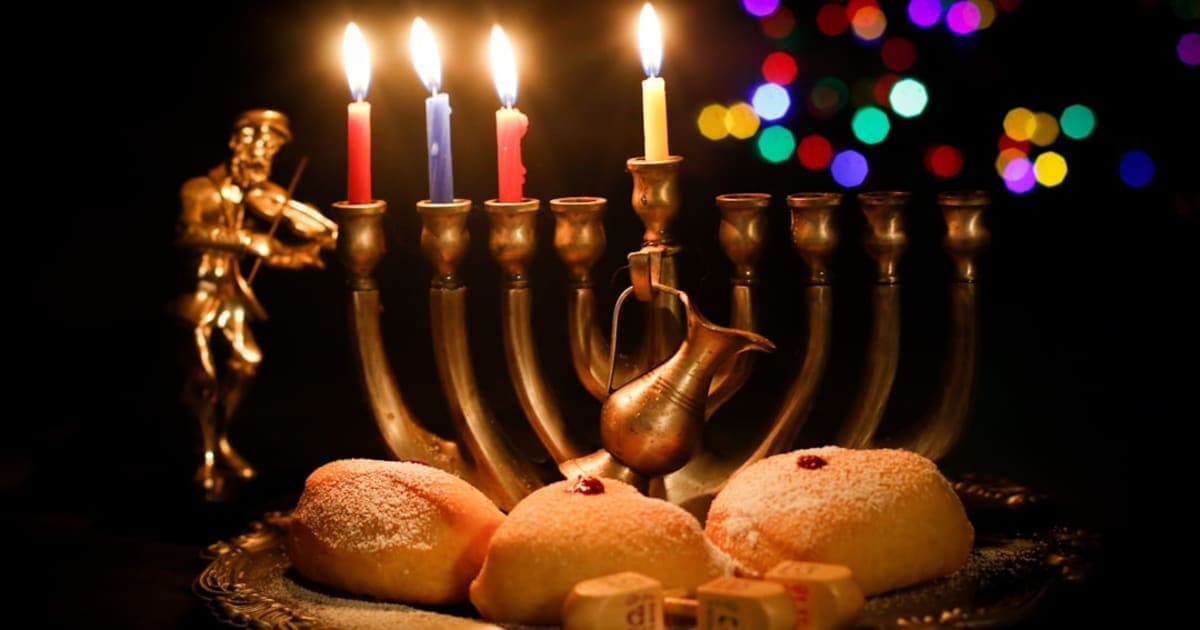
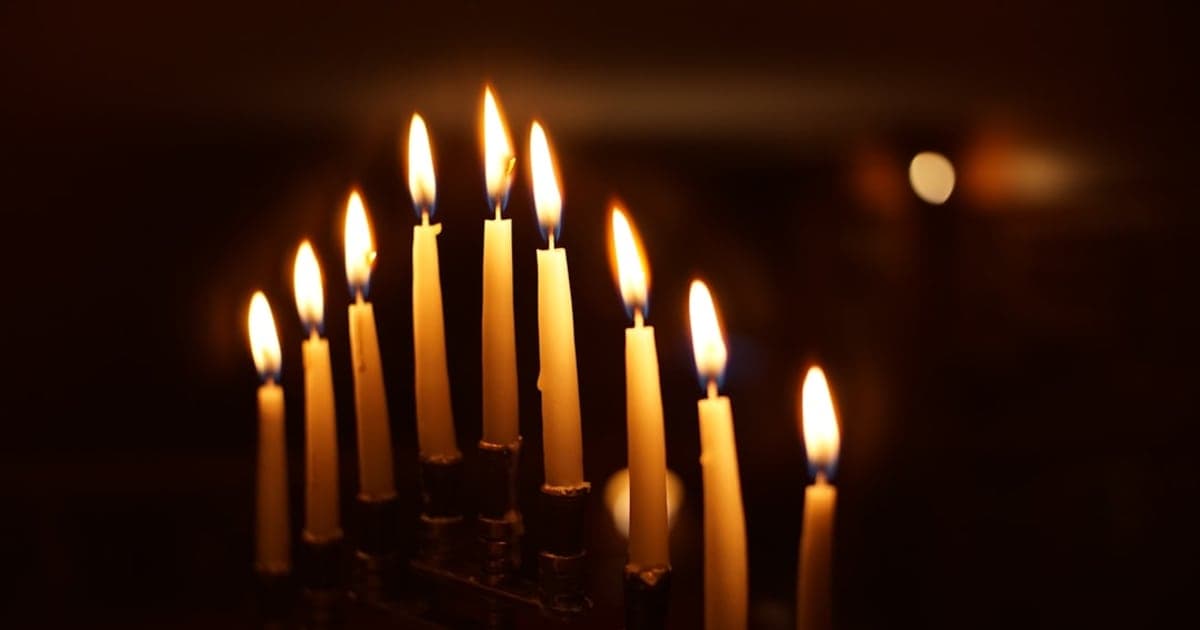
First, a quick note on terminology. The menorah we light on Chanukah is technically called a hanukkiah. The original Temple menorah had seven branches, while the Chanukah menorah has nine: eight branches representing the eight nights of the miracle, plus a ninth holder for the shamash (the "helper" or "servant" candle) used to light the others. The shamash is typically elevated or set apart from the other candles so it is clearly distinguishable.
You can use any kosher hanukkiah, whether it is a family heirloom, a simple tin menorah, a child's colorful ceramic creation, or an elegant silver piece. What matters most is the act of lighting itself and the intention behind it.
When to Light the Menorah
The ideal time to light the menorah is at nightfall (tzet hakochavim), when the stars come out. This is typically about 20 to 40 minutes after sunset, depending on your location and the time of year.
There are a few important timing details to keep in mind:
- Weeknights: Light at nightfall or as soon as possible afterward. The lights should burn for at least 30 minutes after nightfall.
- Friday evening (Erev Shabbat): Light the menorah before the Shabbat candles, since once Shabbat begins you cannot light a flame. Make sure to use candles or enough oil that will burn for at least 30 minutes after nightfall. Many people use longer-lasting candles or extra oil on Friday.
- Saturday night (Motzei Shabbat): There are different customs about the order. Some light the menorah before Havdalah, some after. Follow your family or community custom. If you are unsure, Havdalah is typically done first, and then the menorah is lit.
- If you missed nightfall: You can still light the menorah later in the evening as long as members of your household are awake to see it. The whole point is pirsumei nisa, publicizing the miracle, which requires an audience.
Where to Place the Menorah
The placement of the menorah is all about publicizing the miracle. Here are the main options, listed from ideal to acceptable:
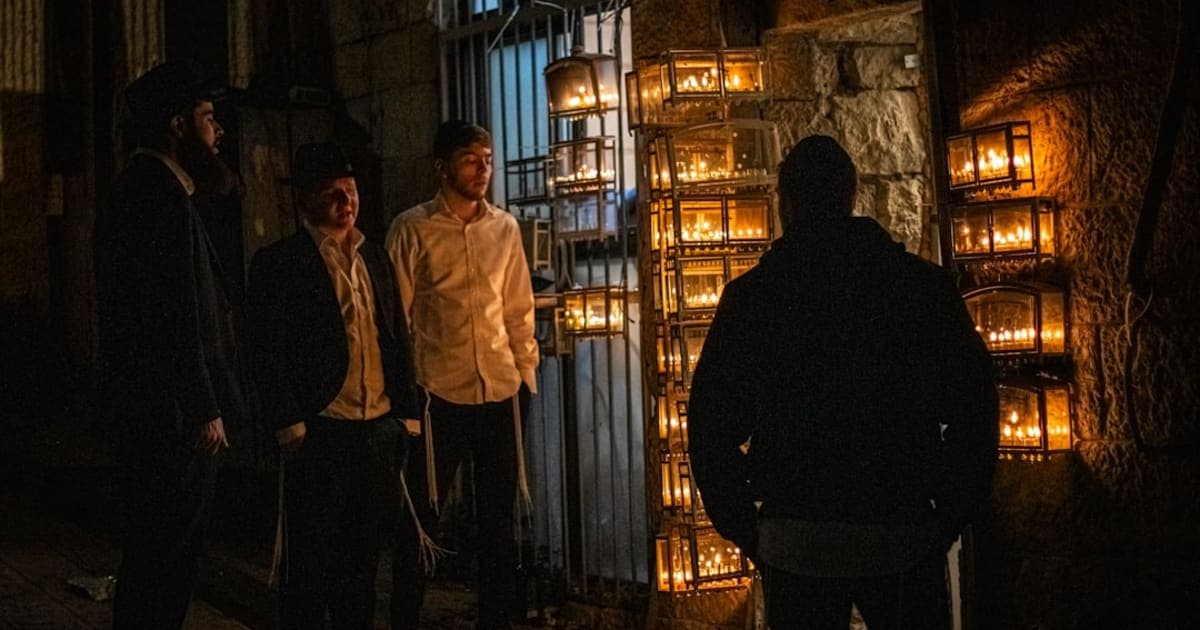
- Outside the front door (left side): In Israel, many families light the menorah in a glass case outside their front door, on the left side as you enter (opposite the mezuzah). This way, a person entering the home is surrounded by mitzvot: the mezuzah on the right and the Chanukah lights on the left.
- In a window facing the street: In the Diaspora, the most common practice is to place the menorah in a window that faces the public thoroughfare, so passersby can see the lights. This is the primary way most families fulfill pirsumei nisa today.
- On a table inside: If neither of the above is possible, placing the menorah on a table in your home still fulfills the mitzvah. The minimum requirement is that members of the household see the lights.
The menorah should ideally be placed at a height between roughly 3 and 10 tefachim (handbreadths) from the ground, approximately 10 inches to 31 inches high. However, when placed in a window, the height of the window is acceptable even if it is higher than this range.
How to Set Up the Candles
Here is how to arrange the candles in the menorah each night:
- Night 1: Place one candle on the far right side of the menorah
- Night 2: Place two candles, starting from the right and adding to the left
- Night 3: Three candles, again right to left
- Continue this pattern each night, always adding the new candle to the left
The candles are always placed from right to left, but there is a difference in how they are lit:
Ashkenazi Custom
Light the newest candle first (the one furthest to the left), then proceed lighting from left to right. This way, the first candle you light honors the current night of the holiday.
Sephardi Custom
Light from right to left, starting with the candle on the far right. The reasoning is that you always begin with the right side, which is considered a position of honor.
In both customs, the shamash is lit first and then used to kindle the other candles.
The Blessings
Before lighting the candles, recite the following blessings while holding the shamash:
Every Night: Two Blessings
1. The Blessing over the Mitzvah
Hebrew: Baruch Atah Adonai Eloheinu Melech ha'olam, asher kid'shanu b'mitzvotav v'tzivanu lehadlik ner shel Chanukah.
Translation: Blessed are You, Hashem our God, King of the universe, who has sanctified us with His commandments and commanded us to light the Chanukah lamp.
2. The Blessing for the Miracles
Hebrew: Baruch Atah Adonai Eloheinu Melech ha'olam, she'asah nisim la'avoteinu bayamim ha'hem bazman hazeh.
Translation: Blessed are You, Hashem our God, King of the universe, who performed miracles for our ancestors in those days, at this time.
First Night Only: A Third Blessing
3. Shehechiyanu
Hebrew: Baruch Atah Adonai Eloheinu Melech ha'olam, shehechiyanu v'kiy'manu v'higiyanu lazman hazeh.
Translation: Blessed are You, Hashem our God, King of the universe, who has granted us life, sustained us, and enabled us to reach this occasion.
Note: Ashkenazim say "ner shel Chanukah" while Sephardim say "ner Chanukah" (without the word "shel").
After Lighting: Songs and Customs
After the candles are lit, it is customary to sit near the menorah for at least 30 minutes, enjoying the lights and spending time with family. Two beloved hymns are traditionally sung:
Hanerot Halalu
"These lights we kindle to recall the miracles and wonders, the salvations and battles that You performed for our ancestors in those days, at this time, through Your holy priests." This declaration reminds us that the Chanukah lights are sacred and not to be used for any practical purpose; we may only gaze at them.
Maoz Tzur
"O mighty stronghold of my salvation, to You it is fitting to give praise." This beloved hymn recounts not just the Chanukah story but several instances of divine redemption throughout Jewish history, from the Exodus from Egypt to the Babylonian exile and beyond. Its stirring melody has become one of the most recognizable tunes in Jewish life.
Practical Tips for a Beautiful Menorah Lighting
- Use enough oil or long enough candles: The lights must burn for at least 30 minutes after nightfall. Standard Chanukah candles usually last about 30 to 45 minutes, which is sufficient for most nights. On Friday evening, you will need longer candles or more oil.
- Use a fireproof surface: Place the menorah on a metal tray or fireproof surface. Dripping wax and open flames require basic safety precautions, especially in homes with young children.
- Everyone can light: While the basic obligation is one menorah per household, the widespread custom (especially among Ashkenazim) is for each family member to light their own menorah. This is the mehadrin min ha'mehadrin (most beautiful fulfillment of the mitzvah).
- Guests and travelers: If you are staying as a guest in someone's home, you can either participate in the host's lighting (contributing a small coin toward the candles) or light your own menorah. If you are traveling and your spouse is lighting at home, you may be covered by their lighting.
- Do not move the menorah once lit: The menorah should remain in place while the candles burn. Moving it after lighting may invalidate the mitzvah since it must be lit in its proper place.
What If I Forgot or Made a Mistake?
- Forgot Al HaNissim in prayers: If you forgot to say Al HaNissim during the Amidah or Grace After Meals, you do not need to repeat the prayer.
- Missed a night: If you missed lighting one night, simply continue the next night with the correct number of candles. There is no "make-up" lighting.
- Candle went out: If a candle goes out within the first 30 minutes, it is proper to relight it, though technically you have fulfilled the mitzvah once it was lit properly in the first place.
The Deeper Meaning of the Lights
The act of lighting the menorah is not just a historical commemoration. Each night, as we add another flame, we are making a statement about the nature of holiness: it grows. We do not start with eight candles and diminish. We begin with one and build, because in Jewish life, we are always increasing in holiness, always adding more light to the world.
There is a famous teaching that the reason we light by a window or doorway is that the Chanukah lights are meant to bridge the sacred space of the home with the public sphere outside. The menorah says: the light we nurture privately can and should illuminate the world.
As you gather with family and friends to kindle the Chanukah lights this year, take a moment to appreciate the unbroken chain of Jews who have performed this very same act for over two millennia. From ancient Jerusalem to modern apartments, from hidden rooms during times of persecution to proud public displays of Jewish faith, the Chanukah lights have never gone out.
For more on the broader themes of the holiday, explore our guides to Chanukah foods and games and oil vs. candles.