Hosting Guests on Shabbat

What If Your Shabbat Table Could Change Someone's Life?
It happens more often than you might think. Someone new to a community sits down at a Shabbat table for the first time. The candles are lit, the wine is blessed, the challah is warm, and the conversation is real. They leave that evening feeling something they cannot quite name -- a sense of belonging, of warmth, of home. Years later, they point back to that one Shabbat meal as the moment everything changed for them.
Hospitality (hachnasat orchim) is one of the most celebrated values in Judaism. The patriarch Abraham is the model: even when he was elderly and recovering from circumcision, he ran to greet three strangers and offered them water, rest, and a feast. The Talmud teaches that welcoming guests is even greater than receiving the Divine Presence.
Hosting guests for Shabbat is where this value comes alive -- and it is one of the most rewarding things you can do as a Jewish family.
Who Should You Invite?
Everyone. Seriously. Part of the beauty of Shabbat hospitality is its inclusiveness:
- Friends and family -- Shabbat is enriched by sharing it with people you love
- Newcomers to the community -- people who have recently moved, visitors, or students away from home
- People who might otherwise eat alone -- singles, elderly neighbors, people going through difficult times
- People exploring Judaism -- a Shabbat meal is one of the best introductions to Jewish life
- Non-Jewish friends -- sharing Shabbat with curious friends is a beautiful way to build bridges and share your tradition
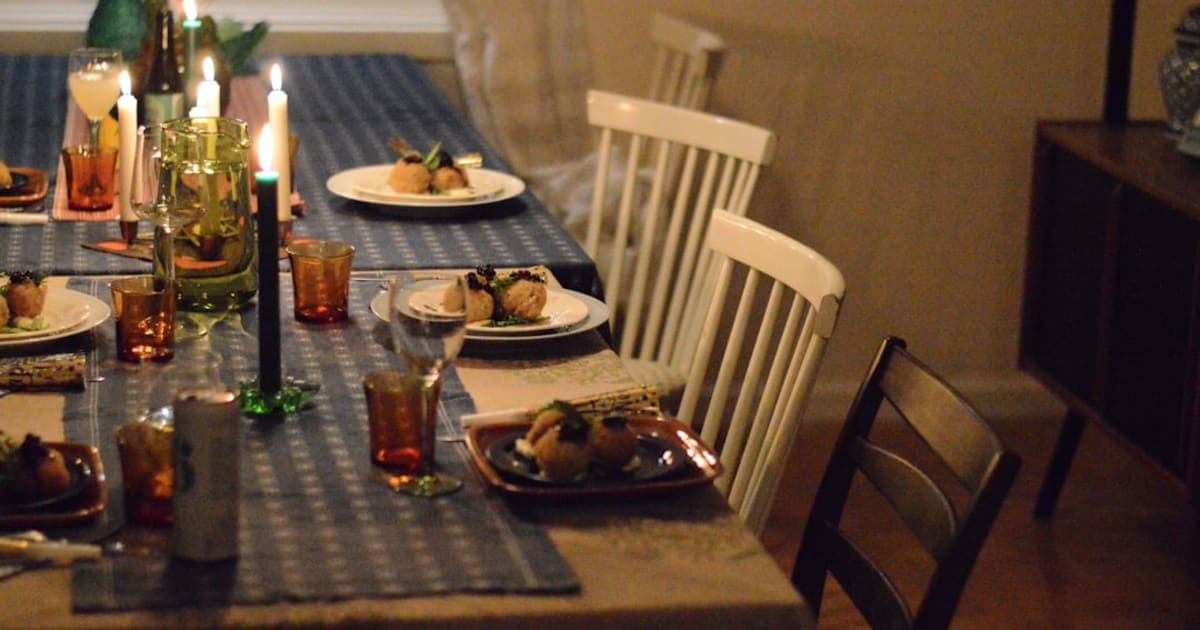
You do not need a big home or a fancy table. Some of the most memorable Shabbat meals happen in small apartments with mismatched chairs and more guests than plates.
Practical Planning
Food
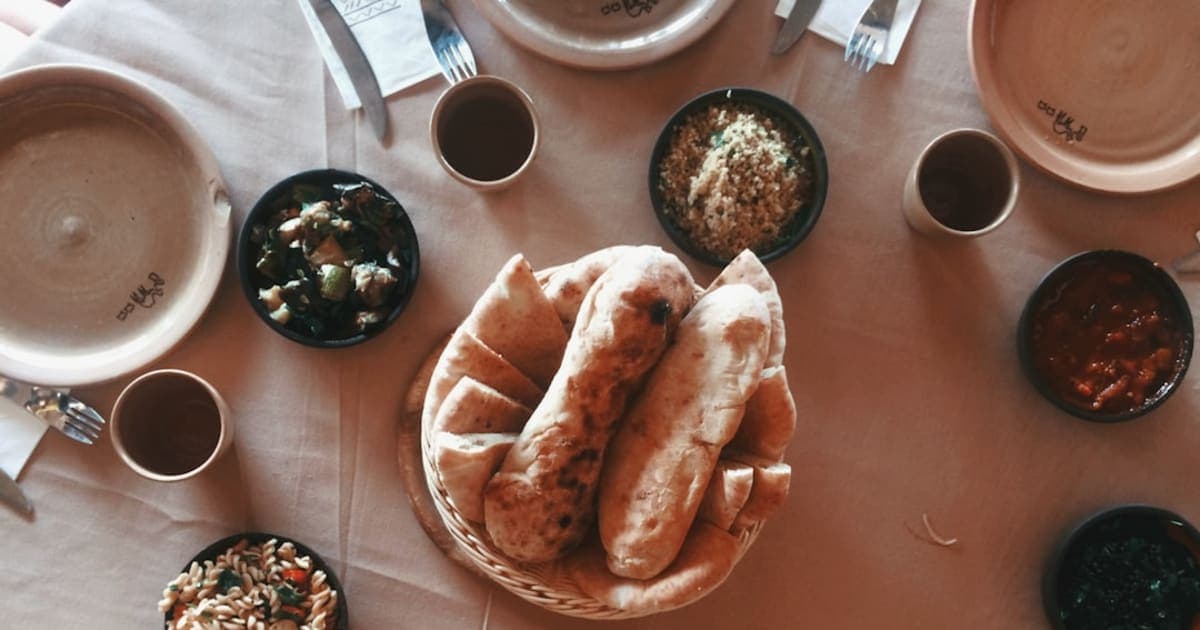
Do not overthink the menu. A Shabbat meal can be simple and still be special. Here is a basic but satisfying Friday night menu:
- Challah bread (homemade or from a bakery)
- Chicken soup with matzo balls or noodles
- Roasted chicken or another main course
- A grain or potato side dish
- A salad
- Dessert (even store-bought cake is fine)
Ask guests about dietary restrictions in advance. If you keep kosher, guests who do not can still enjoy everything at your table -- kosher food is food everyone can eat.
Setting the Table
Small touches make a big difference:
- A white tablecloth (even a sheet works in a pinch)
- Shabbat candles and a Kiddush cup
- Printed song sheets or zemirot booklets so guests can follow along
- A small tzedakah box for guests who want to contribute before Shabbat
During the Meal
Make Guests Feel Comfortable
If your guests are unfamiliar with Shabbat, explain what is happening as you go: "Now we are going to say the blessing over the wine. Here, I printed the words so you can follow along." Be warm and natural, not formal or lecturing. The goal is for guests to feel included, not put on the spot.
Create Conversation
Good Shabbat conversation does not happen by accident. Consider:
- Asking each guest to share something good that happened this week
- Posing a question related to the weekly Torah portion
- Going around the table and asking: "What are you grateful for?"
- Sharing a short, interesting Torah thought or story
Sing Together
Singing is the secret ingredient of a great Shabbat meal. Even if guests do not know the songs, the melodies are often simple and repetitive enough to pick up quickly. Start with well-known songs and do not worry about musical perfection -- enthusiasm matters more than talent.
For First-Time Hosts
If you have never hosted a Shabbat meal before, here is your plan:
- Invite one or two people -- do not start with a crowd
- Keep the menu simple -- three courses is plenty
- Print out the basic Shabbat blessings in transliteration
- Light candles, make Kiddush, wash hands, say HaMotzi over challah -- these four steps create the Shabbat framework
- Relax and enjoy -- the meal does not need to be perfect. It needs to be real.
The Ripple Effect
The impact of Shabbat hospitality extends far beyond the meal itself. Guests who experience the warmth of a Jewish home often come back -- not just for the food, but for the feeling. Children who grow up in homes that host guests learn generosity, openness, and the joy of sharing. And the host family itself benefits enormously: hosting forces you to prepare properly, creates meaningful connections, and makes Shabbat richer and more vibrant.
There is a teaching that in the merit of hospitality, Abraham was blessed with everything he had. Open your door, set an extra place, and discover how Shabbat hospitality can transform your home, your community, and your life.