Welcoming the Shabbat Queen
Every Friday evening, as the sun begins to set, something remarkable happens in Jewish homes around the world. Families turn off their phones, light candles, and prepare to receive a very special guest. Not a person, but something even more precious: Shabbat herself, described in Jewish tradition as a queen and a bride. The custom of welcoming the Shabbat Queen is one of the most poetic and beloved traditions in all of Jewish life. But what does it actually mean, and where does it come from?
Shabbat as a Queen and Bride
The idea of Shabbat as a queen (Shabbat HaMalka) and a bride (Shabbat HaKallah) goes back to the Talmud. Rabbi Chanina would wrap himself in fine garments on Friday afternoon and declare: "Come, let us go out and greet the Shabbat Queen!" Rabbi Yannai would put on special clothes and say: "Come, O bride! Come, O bride!"
These are not just poetic metaphors. They reflect a deep theological idea: Shabbat is not merely a day off or even a religious obligation. It is a living, spiritual presence that enters our lives each week. Just as we would prepare for an honored guest — cleaning the house, setting the table, putting on our best clothes — we prepare for Shabbat with the same (or greater) level of care and anticipation.
The Midrash tells a beautiful story: When God created the days of the week, each day had a partner. Sunday was paired with Monday, Tuesday with Wednesday, Thursday with Friday. But Shabbat was alone. "What about me?" Shabbat asked. God replied: "The Jewish people will be your partner." Every Friday night, when we welcome Shabbat, we are fulfilling that cosmic partnership — entering into a relationship of love with the seventh day itself.
Kabbalat Shabbat: The Friday Night Service
The formal "welcoming" of Shabbat takes place through a special prayer service called Kabbalat Shabbat (literally, "receiving Shabbat"). This service was developed by the Kabbalists of Safed (Tzfat) in the 16th century, and it has become one of the most universally beloved parts of Jewish worship.
The Origin Story
In the 1500s, the mystical community of Safed — which included great luminaries like Rabbi Isaac Luria (the "Ari"), Rabbi Moses Cordovero, and Rabbi Shlomo Alkabetz — would dress in white on Friday afternoon and walk out to the fields surrounding the city. There, facing the setting sun, they would sing psalms and hymns to welcome the Shabbat. They literally went out to greet the Shabbat bride, just as a groom goes out to meet his bride.
This practice eventually moved into the synagogue and became the Kabbalat Shabbat service we know today. But the spirit of those Safed mystics — the joy, the anticipation, the sense of meeting something sacred — lives on every time a congregation rises to sing on Friday night.
The Structure of Kabbalat Shabbat
The service consists of several parts:
- Six Psalms (95-99 and 29) — These six psalms correspond to the six days of the work week. As we recite them, we are spiritually moving through the week toward Shabbat. Each psalm celebrates a different aspect of God's sovereignty over creation.
- Lecha Dodi — The centerpiece of the service (discussed in detail below).
- Psalm 92 (Mizmor Shir L'Yom HaShabbat) — "A Song for the Sabbath Day." Once this psalm is recited, Shabbat has officially begun.
- The regular Friday evening prayers (Maariv) — Including the Shema and the Amidah with special Shabbat additions.
Lecha Dodi: The Heart of Friday Night
If Kabbalat Shabbat is the service, Lecha Dodi is its beating heart. This magnificent hymn was composed by Rabbi Shlomo HaLevi Alkabetz in 16th-century Safed. His name is actually encoded as an acrostic in the first letters of each stanza — "Shlomo HaLevi."
The refrain — "Lecha dodi likrat kallah, p'nei Shabbat nekabelah" — translates as: "Come, my beloved, to greet the bride; let us welcome the Shabbat." It is sung with tremendous feeling, and congregations around the world have developed hundreds of different melodies for it.
The Stanzas of Lecha Dodi
The nine stanzas of Lecha Dodi weave together themes of Shabbat, Jewish history, and messianic hope:
- "Shamor v'zachor" — The opening stanza references the two versions of the Shabbat commandment ("Guard" and "Remember"), which God spoke simultaneously — something only the divine voice can do.
- The sanctity of Shabbat — Several stanzas celebrate Shabbat as the source of all blessing, declaring that though it comes last in the week, it was first in God's thought.
- Jerusalem and redemption — The middle stanzas speak to Jerusalem, encouraging the holy city to "shake off the dust" and rise from its sorrow. These verses express the Jewish longing for national redemption and the rebuilding of the Temple.
- The final stanza — "Come in peace, crown of her husband, in joy and jubilation... Come, O bride! Come, O bride!" At this moment, the entire congregation turns toward the entrance of the synagogue (or toward the west, where the sun is setting) and bows. They are literally turning to greet the Shabbat bride as she enters.
This final moment — the turning, the bowing, the singing of "Come, O bride!" — is one of the most emotionally powerful moments in all of Jewish worship. Week after week, it never gets old. There is always a sense of arrival, of something sacred entering the space.
What Happens After Kabbalat Shabbat
After the Kabbalat Shabbat service (whether at synagogue or at home), the family gathers at the Shabbat table for a sequence of beautiful rituals:
- Shalom Aleichem — Welcoming the ministering angels who accompany each person home.
- Eshet Chayil — The husband recites the "Woman of Valor" poem in honor of his wife.
- Blessing the children — Parents bless each child individually.
- Kiddush — Sanctifying Shabbat over wine.
- Hand-washing and HaMotzi — Blessing over the two loaves of challah.
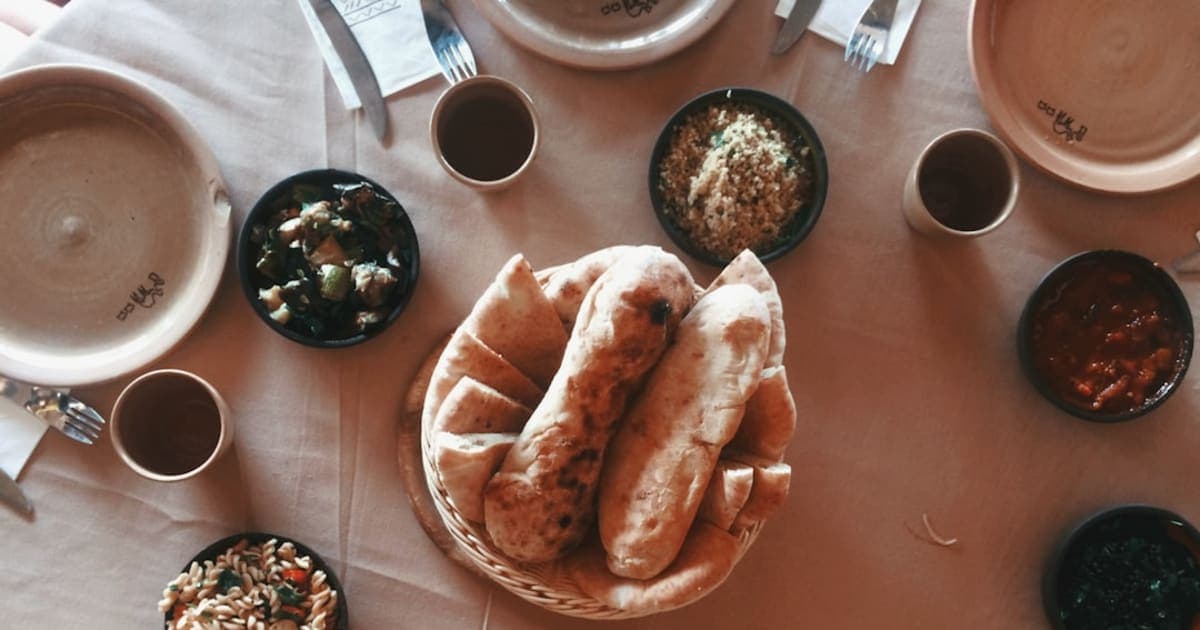
- The Shabbat meal — A festive dinner with singing, Torah discussion, and family togetherness.
Each of these rituals builds on the welcoming that began with Kabbalat Shabbat. The whole evening is a progressive deepening of the Shabbat experience — from the communal welcome at synagogue to the intimate warmth of the family table.
Preparing to Welcome the Queen
The preparations for Shabbat are themselves considered a mitzvah. Jewish tradition teaches that preparing for Shabbat is as important as Shabbat itself. Here is how many families prepare:
- Cleaning the home — A clean, orderly home honors the Shabbat Queen. Many families do a thorough cleaning every Friday (or earlier in the week).
- Cooking special food — The best food of the week is reserved for Shabbat. Cooking for Shabbat is considered an act of love, not just a practical task.
- Bathing and dressing nicely — It is customary to bathe before Shabbat and to wear special clothes — nicer than what you would wear during the week. You are, after all, receiving a queen.
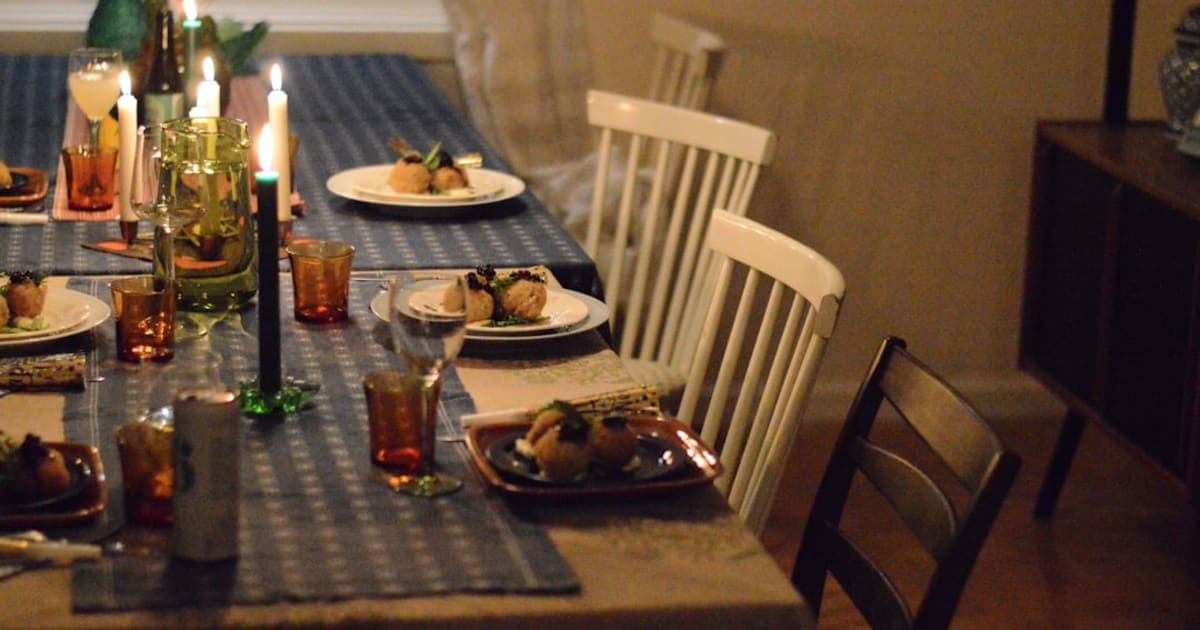
- Setting the table — A white tablecloth, candles, wine, and challah transform the dining table into something special.
- Setting an intention — Beyond the physical preparations, many people take a few moments before Shabbat to mentally shift gears — to let go of the week's stress and open themselves to the peace that is coming.
Why Does This Matter Today?
In the modern world, the idea of "welcoming" a day might seem strange. We are used to days just happening — Tuesday arrives, Wednesday follows, nobody rolls out a red carpet. But that is precisely what makes Shabbat different.
When we actively welcome Shabbat — when we prepare our homes, dress up, light candles, sing, and consciously shift from weekday mode to Shabbat mode — we are declaring that time is not all the same. Some time is ordinary, and some time is sacred. Shabbat is our weekly encounter with the sacred.
The metaphor of the queen and the bride captures this perfectly. A queen commands honor and respect. A bride evokes love and joy. Shabbat is both — a day of majesty and a day of intimacy, a day when we stop running and start receiving.
Jewish tradition describes Shabbat as a taste of the World to Come — a weekly preview of the ultimate peace and wholeness that awaits creation. When we welcome the Shabbat Queen, we are opening the door to that experience, inviting eternity into our living rooms, one Friday night at a time.
For a comprehensive introduction to the Shabbat experience, explore How to Keep Shabbat: A Beginner's Guide, and learn about the deeper reasons behind this practice in Why Do Jews Keep Shabbat?