Lighting Shabbat Candles
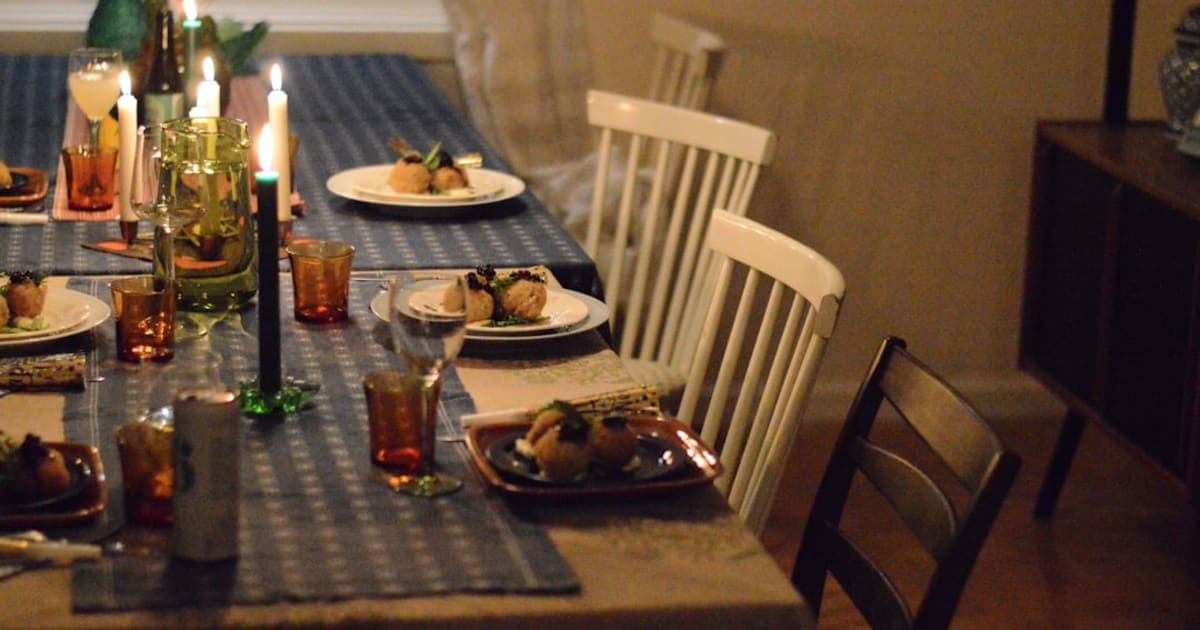
Have you ever walked into a home on Friday evening and been stopped in your tracks by the soft, warm glow of candles flickering on a white tablecloth? There is something almost magical about that moment — a visible shift from the ordinary to the sacred. Lighting Shabbat candles is one of the most beloved and recognizable rituals in all of Jewish life, and it has been welcoming Shabbat into Jewish homes for thousands of years.
Why Do We Light Shabbat Candles?
The lighting of Shabbat candles serves several purposes, each one layered with meaning:
- To honor Shabbat (kavod Shabbat) — Just as we would light up a room to honor an important guest, we illuminate our homes to honor the Shabbat Queen.
- To create peace in the home (shalom bayit) — In ancient times, before electricity, a dark home on Shabbat evening could lead to stumbling and discomfort. The candles ensure that the home is warm, bright, and inviting.
- To mark the beginning of Shabbat — For the person lighting the candles, this act draws a clear line between the weekday and the holy day of Shabbat. Once the candles are lit (and the blessing recited), Shabbat has officially begun for that person.
- To bring holiness into the home — The candles transform an ordinary dining room into a mikdash me'at, a miniature sanctuary. The light they cast is a physical symbol of the spiritual light that Shabbat brings.
Who Lights Shabbat Candles?
Traditionally, the mitzvah of lighting Shabbat candles belongs to the woman of the household. This is considered a great honor, and Jewish tradition teaches that women have a special connection to the light of Shabbat. When a woman lights candles, she is bringing divine light into her home and into the world.
However, the obligation of Shabbat candles applies to the entire household. If there is no woman present, a man lights candles with the full blessing. Single men and women living on their own light their own candles. The key principle is that every Jewish home should be illuminated with the light of Shabbat.
In many families, it is customary for all married women in the household to light their own set of candles. In some communities, even unmarried girls and women light a single candle of their own, beginning from a young age. This is a beautiful way for mothers to train their daughters in this cherished mitzvah.
How Many Candles Do We Light?
The standard practice is to light at least two candles. These two candles correspond to the two commandments regarding Shabbat found in the Torah:
- "Zachor" (Remember the Sabbath day) — from the book of Exodus
- "Shamor" (Guard the Sabbath day) — from the book of Deuteronomy
Many women add an additional candle for each child in the family. So a mother of three children might light five candles every Friday night. Once a woman has adopted the practice of lighting a certain number of candles, she continues with that number going forward (some have the custom to formally accept this upon themselves as a personal practice).
When Should Candles Be Lit?
Shabbat candles are lit on Friday afternoon, before sunset. The standard practice in most communities is to light 18 minutes before sunset. In Jerusalem and its surrounding areas, the custom is to light 40 minutes before sunset, a tradition that dates back many generations.
The exact candle lighting time varies by location and changes from week to week throughout the year. You can find the correct time for your city on most Jewish calendars, synagogue bulletins, or websites that list halachic times.
It is very important to light on time. Once Shabbat has begun (at sunset), it is no longer permitted to kindle a flame. If someone misses the candle lighting time, they should not light candles after sunset — though they may benefit from candles that were lit by someone else or from electric lights that were already on.
Step-by-Step: How to Light Shabbat Candles
The actual ritual is beautifully simple. Here is how it works:
1. Prepare Your Space
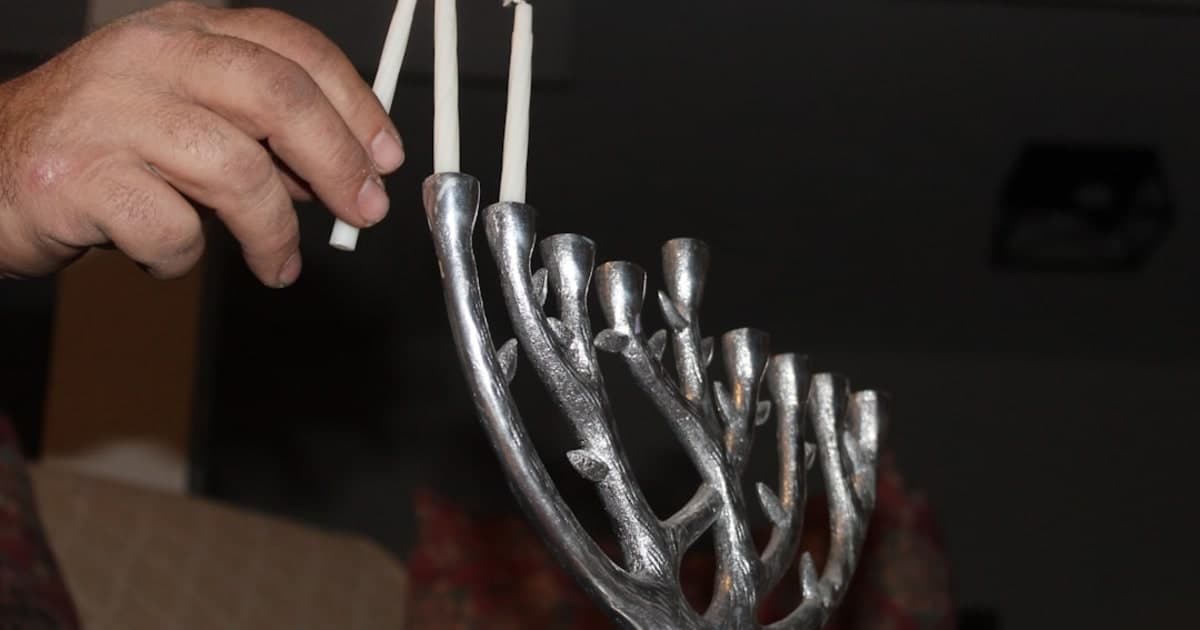
Set up your candlesticks on the dining table or a nearby surface where you will be able to enjoy their light during the Friday night meal. Make sure they are in a safe, stable location away from anything flammable. Many families use heirloom silver candlesticks, but any safe candleholder works perfectly.
2. Light the Candles
Strike a match and light the wicks of your candles. Make sure each candle is burning steadily.
3. Draw the Light Toward You
Using your hands, make a gentle circular motion three times, drawing the warmth and light of the candles toward yourself. This beautiful gesture symbolizes drawing the holiness of Shabbat into your being.
4. Cover Your Eyes
Place your hands over your eyes. This is done because, technically, we should recite the blessing before performing a mitzvah. But if you said the blessing before lighting, you would have already accepted Shabbat and would no longer be able to light a fire. The solution? Light first, then cover your eyes so you have not yet "benefited" from the light, say the blessing, and then open your eyes to enjoy the Shabbat candles for the first time — a moment of genuine delight.
5. Recite the Blessing
With your eyes covered, say:
Baruch atah Adonai, Eloheinu Melech ha'olam, asher kidshanu b'mitzvotav v'tzivanu l'hadlik ner shel Shabbat.
(Blessed are You, Lord our God, King of the Universe, who has sanctified us with His commandments and commanded us to light the Shabbat candle.)
6. Personal Prayer
Many women take a moment after the blessing — while their eyes are still covered — to offer a personal, silent prayer. This is considered an especially auspicious time for prayer. Women often pray for the health and well-being of their children and family, for peace in their home, and for whatever is close to their hearts. Take as long as you need.
7. Open Your Eyes and Say "Shabbat Shalom"
Remove your hands from your eyes, gaze at the beautiful candle flames, and greet your family with "Shabbat Shalom" — a peaceful Shabbat. The week is behind you. Shabbat has arrived.
What Kind of Candles Should You Use?
There are several options for Shabbat candles:
- Standard white Shabbat candles — These are inexpensive, widely available, and burn for about three hours. They are the most common choice.
- Longer-burning candles — Some people prefer candles that will burn throughout the entire Friday night meal and beyond.
- Tea lights — These are a safe, affordable option, especially when traveling.
- Olive oil — Lighting with olive oil is considered the most beautiful way to fulfill the mitzvah. Special oil cups and floating wicks are available for this purpose.
The candles should burn long enough that you can enjoy their light during the Shabbat meal. If they go out on their own after the meal, that is fine.
Special Situations
Lighting Candles Away from Home
If you are eating Shabbat dinner at someone else's home, the custom is still to light your own candles. You can light at the host's home (with their permission) or at the place where you are sleeping. If you are in a hotel, you can light in your room (where fire safety allows) or in the dining area.
When Shabbat Coincides with a Holiday
When a Jewish holiday falls on Shabbat, the candle lighting blessing is adjusted to include both Shabbat and the holiday. The number of candles remains the same as your usual Shabbat practice.
If You Forgot to Light
If a woman forgot to light Shabbat candles one week (without a valid reason), some communities have the custom that she adds an extra candle to her regular number from that point on. This serves as a gentle reminder of the importance of this mitzvah.
A Moment of Connection Across Generations
There is something deeply moving about the moment of candle lighting. As you stand before the flames with your eyes covered, you are connected to an unbroken chain of Jewish women (and men) who have performed this exact same act for thousands of years — in ancient Israel, in medieval Europe, in North African villages, in American suburbs. The words of the blessing are the same. The gentle flicker of the light is the same. The hope for peace and holiness is the same.
For many families, candle lighting is the moment when the stress of the week melts away. Children gather close. The house falls quiet. And in that stillness, something sacred enters.
After candle lighting, many families continue into the beautiful Friday night sequence: singing Shalom Aleichem, reciting Eshet Chayil, blessing the children, and then sitting down to Kiddush and the Shabbat meal. It all begins with those two small flames.
If you have never lit Shabbat candles before, this Friday might be the perfect time to start. Pick up a box of candles, find a pair of candlesticks (or even two small glasses), and give yourself the gift of welcoming Shabbat with light. You may be surprised at how much those few quiet moments can transform your entire Friday night — and your entire week.
For more on how the rest of the evening unfolds, explore our guides to keeping Shabbat as a beginner and preparing for Shabbat.