Lechem Mishneh: Why Two Loaves?
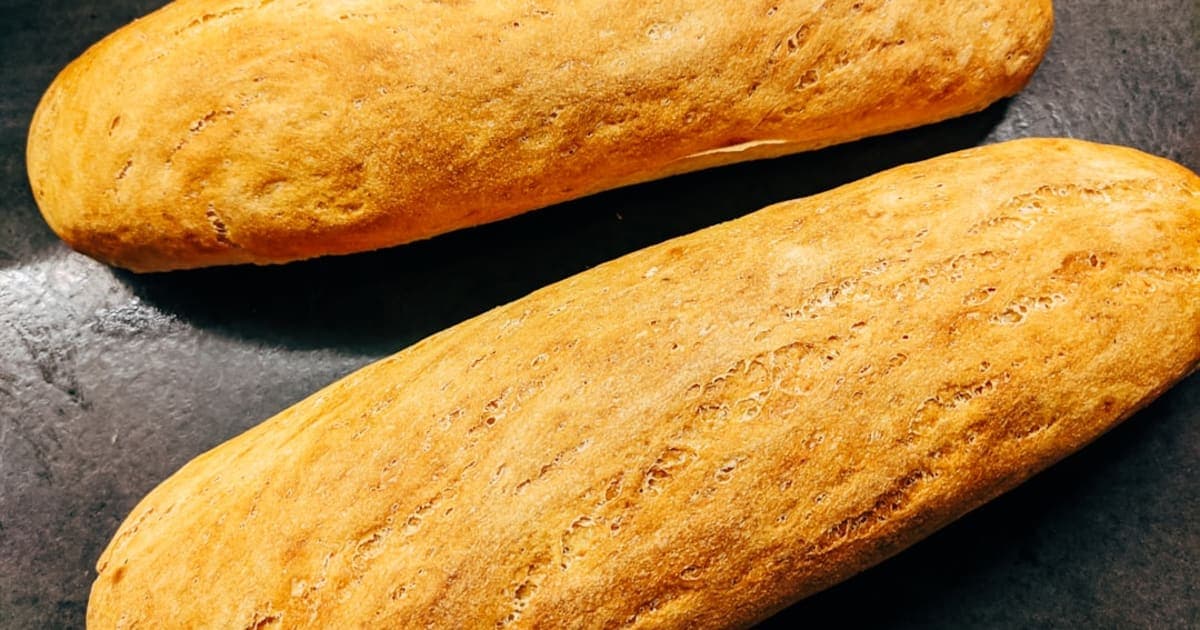
Why Are There Always Two Loaves of Bread on the Shabbat Table?
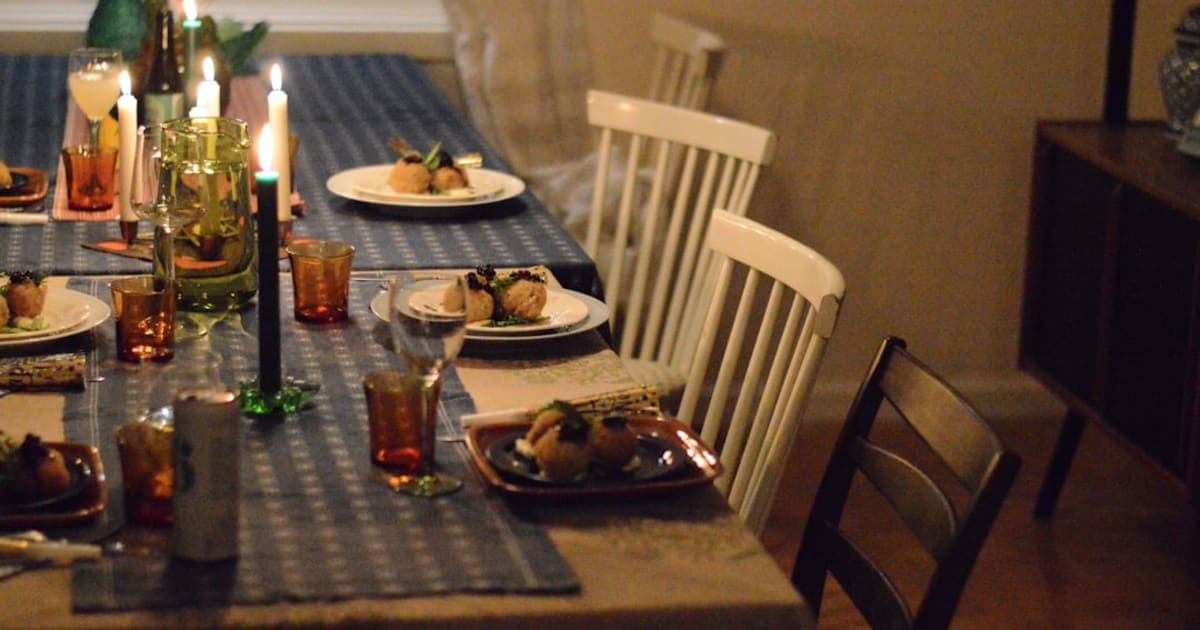
If you have ever attended a Shabbat meal, you have probably noticed that there are always two loaves of challah on the table, usually sitting side by side beneath a decorative cover. This is not just an aesthetic choice or a way to make sure there is enough bread to go around. The two loaves, known as lechem mishneh (literally "double bread"), carry one of the most beautiful and meaningful stories in the entire Torah. They connect every Shabbat table, in every Jewish home around the world, back to a miraculous event that happened over three thousand years ago in the desert.
The Story of the Manna
Shortly after the Exodus from Egypt, the Jewish people found themselves in the vast Sinai Desert with no obvious source of food. God responded to their need by sending manna, a miraculous food that appeared on the ground each morning like frost. The manna sustained the entire nation for forty years of wandering in the wilderness.
But the manna came with rules. Each person was to collect only enough for that day. If someone tried to hoard extra manna for the next day, it would spoil overnight, becoming wormy and foul. The message was clear: trust God. He will provide tomorrow just as He provided today.
There was one exception. On Friday, a double portion of manna fell. Each person collected twice as much as usual, and this time the extra portion did not spoil. It remained fresh and perfect for Shabbat. This was God's way of providing for Shabbat without requiring the people to gather food on the day of rest.
This is the origin of lechem mishneh. The two loaves on our Shabbat table represent that double portion of manna. Every time we sit down to a Shabbat meal and see those two challot, we are remembering and reenacting this foundational miracle.
What Lechem Mishneh Teaches Us
The practice of lechem mishneh is rich with spiritual lessons that remain profoundly relevant today:
Trust in God's Provision
The manna story is fundamentally about trust. Six days a week, the Israelites could not save food for tomorrow. They had to wake up each morning trusting that God would provide. The double portion on Friday taught them that this trust was not reckless but well-placed. God not only provided enough; He provided extra, ensuring that Shabbat would be a day of abundance rather than anxiety.
When we place two loaves on our table, we echo that trust. We are declaring that we believe in a God who provides, that we do not need to spend Shabbat worrying about the week ahead, and that rest is not a luxury but a gift from a generous Creator.
Shabbat Is Special
The double portion of manna set Shabbat apart from every other day. It was the only day that received extra. This teaches us that Shabbat is not just another day off. It has a unique status, a unique holiness, and unique blessings. The two loaves on our table are a weekly reminder that Shabbat deserves more, more food, more beauty, more attention, and more honor.
Preparation Matters
The manna fell on Friday in double quantity, teaching the Jewish people that Shabbat requires preparation. You cannot just stumble into Shabbat; you need to get ready for it. The tradition of preparing for Shabbat throughout the week, cooking, cleaning, shopping, and planning, echoes this lesson. Just as God prepared the double portion of manna in advance, we prepare our homes and our hearts in advance to receive the holiness of the day.
The Practical Laws of Lechem Mishneh
The requirement of lechem mishneh applies to every Shabbat meal, and there are specific guidelines about how it works:
When Is Lechem Mishneh Required?
- All three Shabbat meals: Lechem mishneh is required at the Friday night meal, the Shabbat day meal, and Seudah Shlishit (the third meal).
- Jewish holidays: The obligation also applies to Yom Tov meals. On holidays, too, we use two loaves when making HaMotzi.
- Rosh Hashanah: Many communities use round challot on Rosh Hashanah, but the requirement for two loaves still applies.
What Counts as Lechem Mishneh?
- Two complete loaves: Both loaves should be whole and uncut at the time of the blessing. A broken or partially eaten loaf does not count.
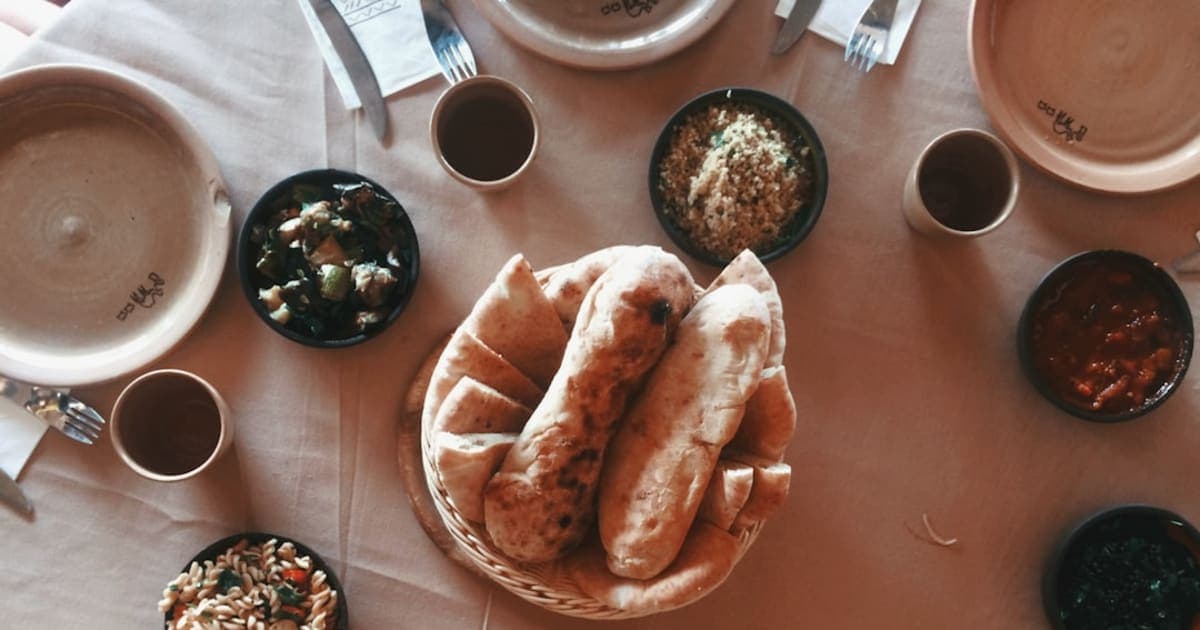
- Any type of bread: While challah is the traditional choice, any bread made from one of the five grains (wheat, barley, spelt, rye, or oats) can be used. Pita, rolls, or other bread types all work.
- Size: There is no minimum size requirement for the loaves, though they should be respectable enough to be considered "bread" for a meal.
How to Hold Them During the Blessing
When reciting the HaMotzi blessing over the lechem mishneh, both loaves should be present on the table. Many people place their hands on both loaves during the blessing or hold both together. After the blessing, one loaf is cut (on Friday night, there is a custom in many communities to cut the bottom loaf, and on Shabbat day, the top loaf) and distributed to those at the table.
The Challah Cover
It is customary to cover the challah with a decorative cloth before Kiddush is recited. This practice has its own beautiful reasons and deeper meaning, which we explore in detail in our dedicated article. The cover and the surface the challah rests on together symbolize the layers of dew that surrounded the manna in the desert, one layer above and one below.
Why Challah? The Special Shabbat Bread
While any bread can technically fulfill the lechem mishneh requirement, the braided challah has become the iconic Shabbat bread for good reason. The braided shape is visually beautiful and festive, setting Shabbat apart from weekday meals. The slightly sweet, eggy dough makes challah a special treat that most people do not eat during the week.
The word "challah" originally refers to the portion of dough that is separated and given to the Kohanim (priests) as a gift. When you bake challah at home and separate a piece of dough with the appropriate blessing, you are performing a mitzvah that connects you to the Temple service and to Jewish bakers throughout the centuries. Many women (and men) who bake their own challah describe it as one of the most meaningful parts of their Shabbat preparation.
If you are interested in the broader topic of Shabbat food, our article on classic Shabbat foods covers the traditional dishes that grace Jewish tables around the world.
Lechem Mishneh at the Three Meals
Each of the three Shabbat meals has its own character, and the lechem mishneh plays a role in all of them:
- Friday Night: The two challot sit prominently on the festive table, covered and waiting for the moment after Kiddush when HaMotzi is recited. This is typically the most formal and festive of the three meals, and the lechem mishneh helps set the tone.
- Shabbat Day Meal: After morning synagogue services, the family returns home for the daytime meal. Again, two whole loaves are placed on the table for HaMotzi. This meal often features cholent or other traditional Shabbat foods that have been kept warm from before Shabbat.
- Seudah Shlishit: The third meal, eaten on Shabbat afternoon, also requires lechem mishneh. Though this meal is often lighter and simpler than the first two, the two loaves maintain the connection to the manna and to the special sanctity of Shabbat.
What If You Only Have One Loaf?
Sometimes, despite your best planning, you find yourself with only one loaf of bread for Shabbat. What should you do? The ideal is always two whole loaves, but if you only have one, you should still make HaMotzi and eat the meal. Shabbat should never be diminished because of what you lack. The sages always emphasized that we should do our best with what we have, and a Shabbat meal with one loaf of bread is still infinitely more meaningful than no Shabbat meal at all.
That said, with a little planning, lechem mishneh is easily achievable. Even two small rolls from the bakery count. The important thing is the intention: to honor Shabbat, to remember the manna, and to bring the beauty of this ancient tradition to your table.
Deeper Symbolism
The Kabbalists find additional layers of meaning in the two loaves. Some explain that the two challot represent different dimensions of Shabbat observance: Zachor (Remember) and Shamor (Guard), the two versions of the Shabbat commandment found in the Ten Commandments. Others connect the two loaves to the two tablets of the law, or to the union of the physical and spiritual dimensions of reality that occurs on Shabbat.
Whatever symbolic interpretation resonates with you, the practical effect is the same: every time you place two loaves on your Shabbat table, you are performing a mitzvah that connects you to the deepest themes of Jewish faith, trust, gratitude, holiness, and the enduring miracle of God's care for His people.
Bringing It to Your Table
Lechem mishneh is one of the simplest and most accessible Shabbat practices. Whether you bake your own challah from scratch or pick up two loaves from a bakery on Friday afternoon, you can bring this beautiful tradition into your home immediately. Place the two loaves on your table, cover them with a cloth (a clean napkin works perfectly if you do not have a dedicated challah cover), and when the time comes, uncover them, recite HaMotzi, and share the bread with everyone at the table.
As you do, take a moment to think about the manna in the desert, about the trust it required, about the generosity of a God who gave a double portion so His people could rest. Let that ancient story infuse your modern Shabbat with depth, meaning, and gratitude. Two loaves, one powerful message: God provides, and Shabbat is the proof.