Jewish Holidays
Did You Know the Jewish Calendar Has a Holiday for Almost Every Season of the Soul?
The Jewish year is not just a sequence of months -- it is a spiritual journey. Each holiday marks a different theme, a different emotion, and a different aspect of the relationship between God, the Jewish people, and the world. Together, they create a rhythm of life that has sustained Jews for thousands of years.
Whether you are encountering these holidays for the first time or looking for a refresher, here is your guide to the major holidays of the Jewish year.
The High Holidays (Yamim Nora'im)
Rosh Hashanah
Rosh Hashanah is the Jewish New Year, observed on the first and second days of the Hebrew month of Tishrei (usually September or October). It is a day of reflection, prayer, and fresh beginnings. The highlight is the blowing of the shofar (ram's horn) -- a wake-up call to the soul. Customs include eating apples dipped in honey (for a sweet new year) and symbolic foods representing hopes for the coming year.
Yom Kippur
Yom Kippur, the Day of Atonement, falls ten days after Rosh Hashanah. It is the holiest day of the Jewish year -- a 25-hour fast devoted entirely to prayer, repentance, and spiritual renewal. The day begins with the haunting melody of Kol Nidrei and concludes with the powerful Neilah service as the gates of heaven symbolically close.
The Pilgrimage Festivals
Sukkot
Just five days after Yom Kippur, the mood shifts to joy. Sukkot is a seven-day harvest festival where families build and eat in temporary outdoor booths (sukkot), recalling God's protection during the Israelites' journey through the desert. The four species -- a palm branch, citron, myrtle, and willow -- are waved together each day.
Shemini Atzeret and Simchat Torah
Shemini Atzeret immediately follows Sukkot and includes a special prayer for rain. Simchat Torah celebrates the completion and immediate restart of the annual Torah reading cycle with joyous dancing and singing.
Passover (Pesach)
Passover celebrates the Exodus from Egypt -- the foundational story of Jewish freedom. It is observed for seven days (eight in the diaspora), during which no leavened bread (chametz) is eaten. The highlight is the Seder on the first night(s), where the story of the Exodus is retold through food, song, and ritual.
Shavuot
Shavuot commemorates the giving of the Torah at Mount Sinai, seven weeks after Passover. It is traditional to stay up all night learning Torah and to eat dairy foods. Shavuot reminds us that the Exodus was not just about physical freedom -- it was about receiving a purpose and a mission.
Winter and Spring Holidays
Chanukah
Chanukah is the eight-day Festival of Lights, celebrating the rededication of the Temple after the Maccabees' victory over the Greek-Syrians. The central practice is lighting the menorah, adding one candle each night. Traditional foods fried in oil (latkes and donuts) commemorate the miracle of the oil.
Purim
Purim celebrates the miraculous salvation of the Jewish people in ancient Persia, as told in the Book of Esther. The four mitzvot of Purim include hearing the Megillah, giving gifts of food, giving to the poor, and enjoying a festive meal. Costumes and celebration make Purim one of the most joyful days of the year.
Days of Reflection
The Omer Period
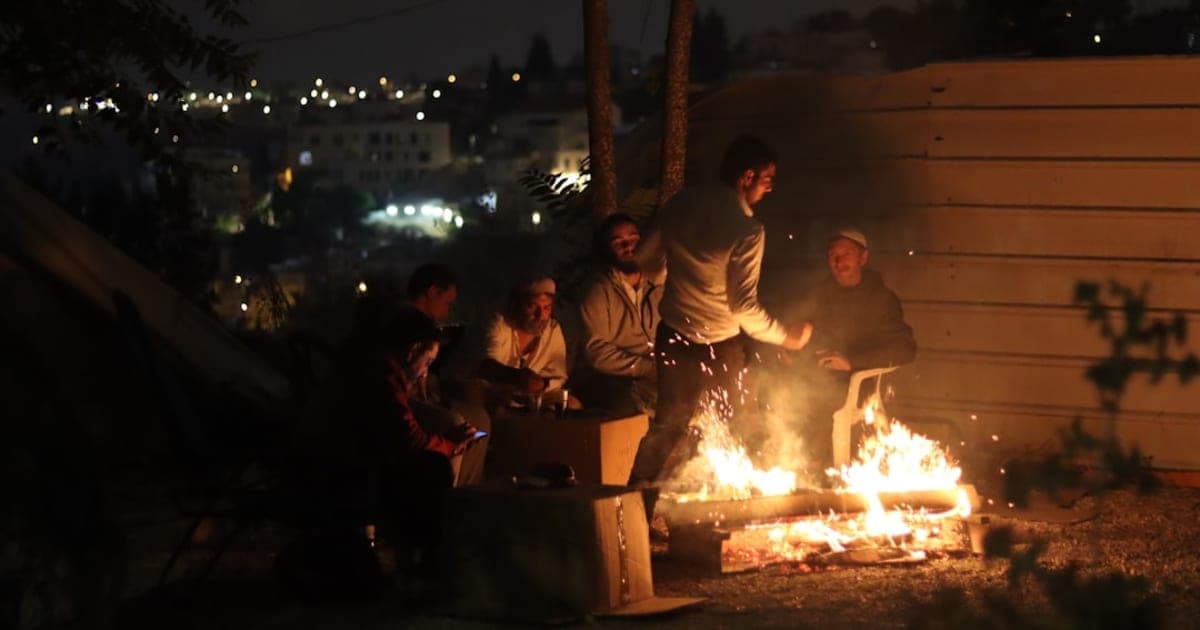
Between Passover and Shavuot, Jews count 49 days (the Omer), a period of spiritual preparation. Lag BaOmer, the 33rd day, is celebrated with bonfires and outdoor festivities.
The Three Weeks and Tisha B'Av
The Three Weeks leading to Tisha B'Av mark a period of mourning for the destruction of the Temples in Jerusalem. Tisha B'Av itself is a fast day devoted to mourning and reflection.
Shabbat: The Weekly Holiday
While not listed as a holiday in the traditional sense, Shabbat is the most frequent and perhaps most beloved Jewish observance. Every week, from Friday sunset to Saturday night, Jews step out of their routine and into a day of rest, joy, and spiritual renewal. To learn how to experience it, see our beginner's guide to keeping Shabbat.
Living the Jewish Year
The beauty of the Jewish holiday cycle is that it addresses every dimension of human experience: joy and sorrow, freedom and discipline, individual growth and communal belonging. Each holiday is an opportunity to step out of autopilot and engage with life's deepest questions.
You do not need to celebrate every holiday perfectly from the start. Begin with one or two that resonate with you, experience them fully, and let the rest come naturally. The Jewish year is a journey, and every step you take makes it richer.