Hoshanah Rabbah: The Willow Branch Custom
Hoshanah Rabbah: The Willow Branch Custom
Why do Jews beat willow branches on the ground on the seventh day of Sukkot? Hoshanah Rabbah (the Great Hoshanah) is one of the most dramatic and least understood days on the Jewish calendar. Falling on the 21st of Tishrei, it marks the final opportunity for the judgments of Rosh Hashanah and Yom Kippur to be sealed, and its unique customs make it unlike any other day of the year.
The Day of Final Sealing
Jewish tradition teaches that judgment begins on Rosh Hashanah, is sealed on Yom Kippur, and the final dispatching of the decree occurs on Hoshanah Rabbah. This makes it a day of special spiritual significance, even though it falls during Chol HaMoed and does not have the formal restrictions of Yom Tov.
Because of its connection to judgment, Hoshanah Rabbah takes on some of the character of the High Holidays. Many people stay up the night before studying Torah (a custom called Tikkun Leil Hoshanah Rabbah). The chazan (prayer leader) often wears a white kittel, as on the High Holidays. The prayers include expanded Hoshanot (supplication prayers) and have a distinctly solemn undercurrent beneath the festive Sukkot atmosphere.
The Seven Circuits (Hakafot)
During the morning service, all who have a lulav and etrog participate in the Hoshanot prayers by circling the bimah (the platform where the Torah is read). On each regular day of Sukkot, one circuit is made. On Hoshanah Rabbah, seven circuits are made, each accompanied by special prayers and supplications. This mirrors the seven circuits that the Israelites made around the walls of Jericho before the walls fell, symbolizing our hope that the barriers between us and God will similarly come down.
The seven circuits are a powerful communal experience. The entire congregation walks together, carrying their four species, chanting prayers for salvation and blessing. The atmosphere is charged with a combination of urgency (this is the final judgment) and hope (we trust in God's mercy).
The Willow Beating (Chavitat Aravot)
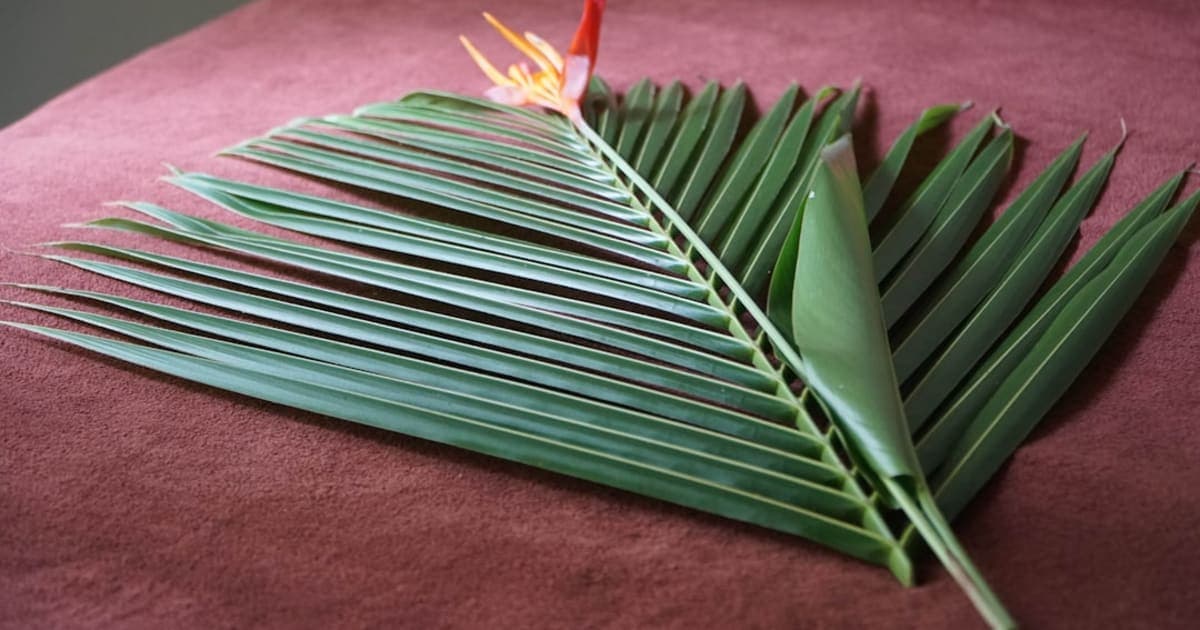
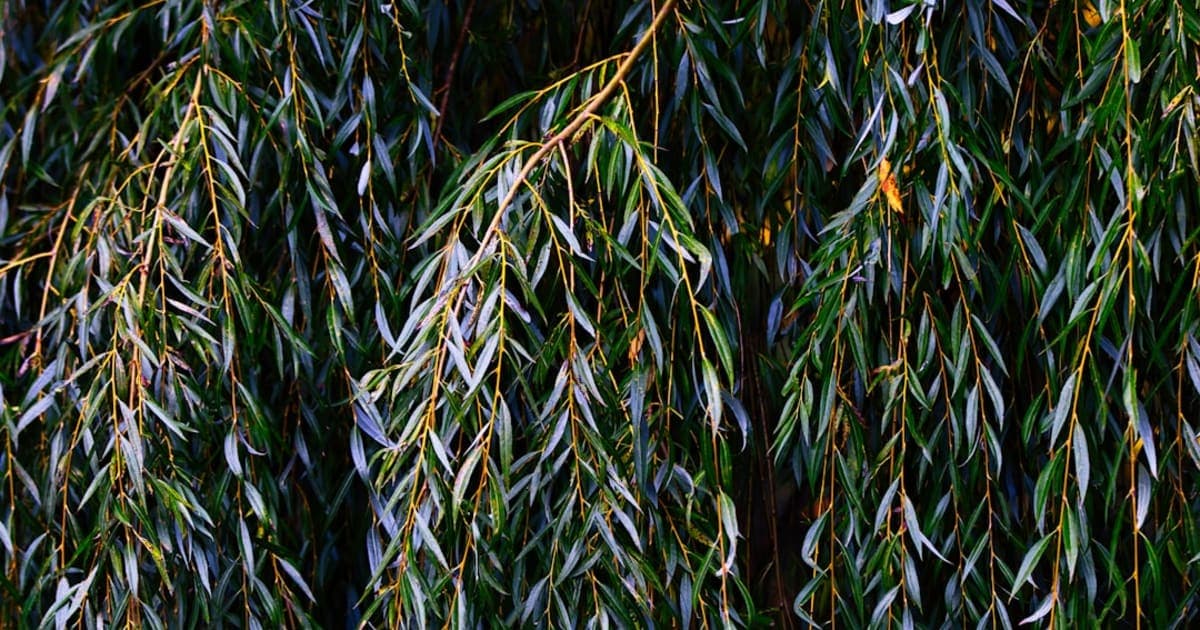
After the seven circuits and the concluding prayers, a bundle of five willow branches (aravot) is taken. These are separate from the willows used in the four species. The bundle is beaten against the ground five times (some do it more). This is the custom most associated with Hoshanah Rabbah, and it has several layers of meaning.
The willows represent the lips (the willow leaf is shaped like a lip), and beating them symbolizes the power of our prayers being sent upward. The falling leaves represent the shedding of our sins. The five beatings correspond to the five books of the Torah, the five levels of the soul, or the five times the word kol (voice) appears in the psalm about God's voice in the storm.
The beating also connects to the theme of water. Sukkot is the season when God judges how much rain the world will receive in the coming year. The willow, which grows near water, symbolizes our prayer for abundant rainfall and sustenance.
Special Prayers
The morning service on Hoshanah Rabbah includes the full Hallel (psalms of praise), the four species, and then the extended Hoshanot. The Hoshanot prayers are lengthy supplications asking God for salvation, forgiveness, and blessing. They invoke the merits of the patriarchs, the covenant with Israel, and the holiness of the Land of Israel.
Customs of the Day
Many communities eat a meal with round challah dipped in honey (as on Rosh Hashanah), recalling the connection to the New Year judgment. Some people eat a meal in the sukkah with special intention, as it is the last full day of the sukkah obligation. The night before, communities gather for the all-night Torah study session, which often includes readings from Deuteronomy and the Book of Psalms.
The Spiritual Message
Hoshanah Rabbah teaches that it is never too late. Even after the intensity of Rosh Hashanah and Yom Kippur, there is still one more opportunity to reach out to God, to add one more prayer, one more act of goodness, one more moment of sincerity. The gates may be closing, but they are not yet closed. This message of enduring hope is deeply characteristic of the Jewish approach to repentance: the door is always open for those who sincerely knock.
For more on Sukkot, see our guides to building a sukkah, the Ushpizin, and Shemini Atzeret.