Guide to Sukkot
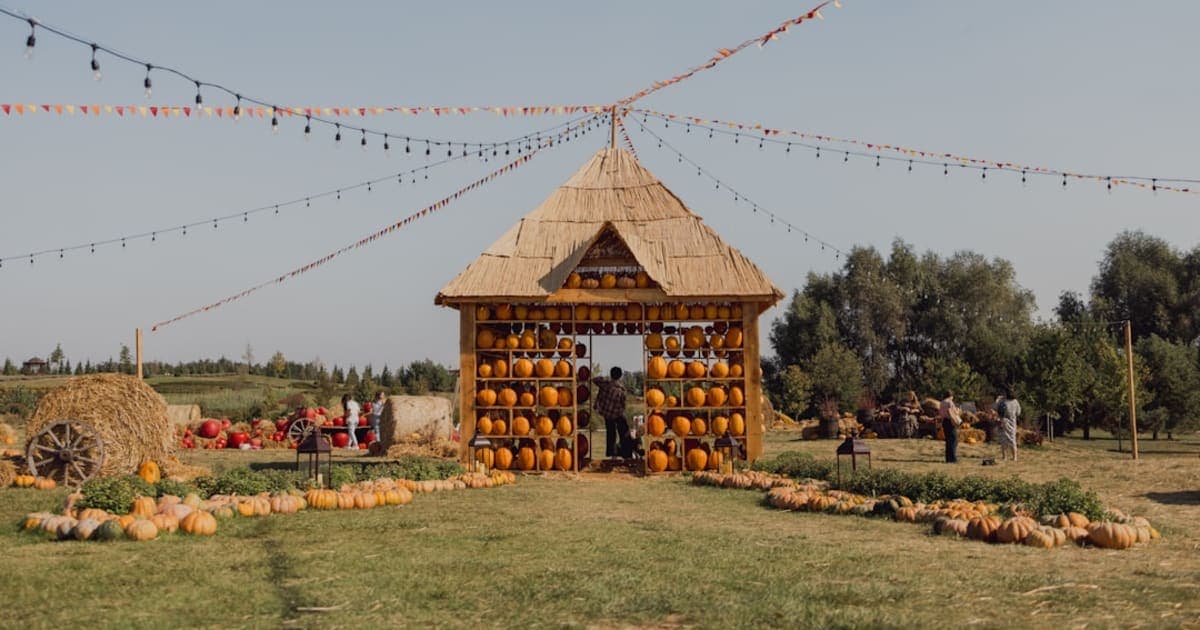
Guide to Sukkot: The Festival of Booths
What if living in a fragile hut for a week could teach you more about security and trust than a lifetime in a fortified house? Sukkot, the Festival of Booths, is one of the three pilgrimage festivals and arguably the most joyous holiday on the Jewish calendar. For seven days (eight outside of Israel), we leave our permanent homes and dwell in temporary structures called sukkot (singular: sukkah), eat festive meals under the open sky, and wave the four species in every direction. It is a holiday that engages all the senses and speaks to the deepest human longing for connection, gratitude, and trust.
When Is Sukkot?
Sukkot begins on the 15th of Tishrei, five days after Yom Kippur. The first day (first two days outside of Israel) is a full Yom Tov (holiday) with the same restrictions as Shabbat (except for cooking). This is followed by Chol HaMoed (intermediate days) and concludes with Shemini Atzeret and Simchat Torah.
The Sukkah
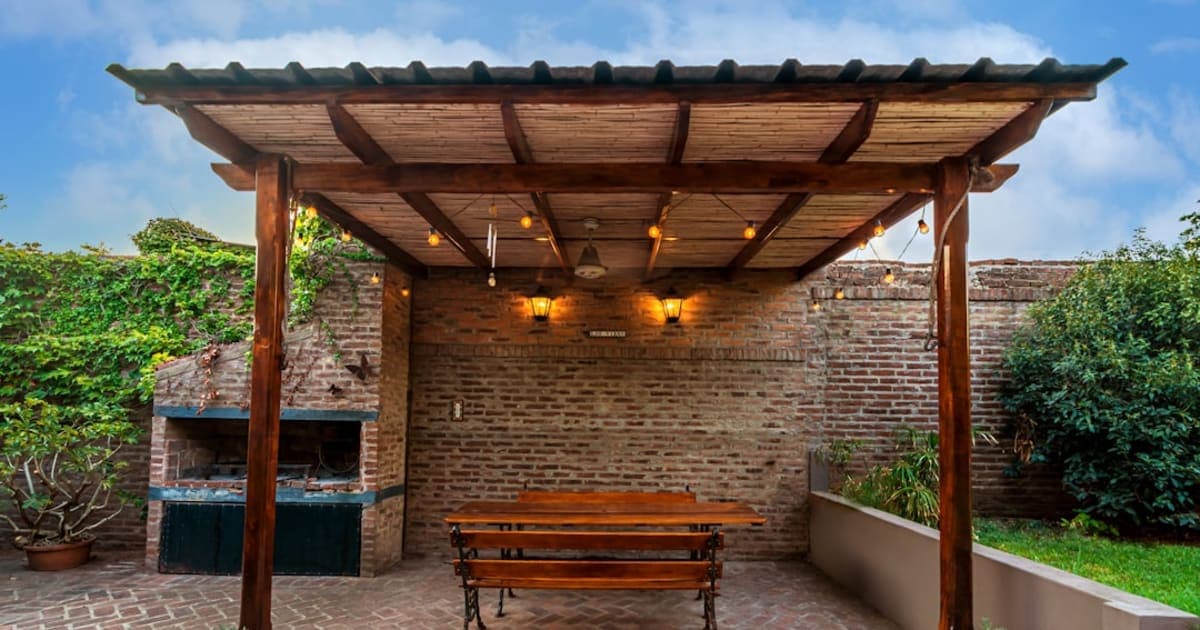
The sukkah is a temporary outdoor structure with at least three walls and a roof of natural, unprocessed materials called schach (branches, bamboo mats, or similar). The schach must provide more shade than sun but must also allow you to see the stars at night. This seemingly simple structure carries profound symbolism: it reminds us that our true security comes not from walls and roofs but from God's protection.
Building a sukkah is a beloved family activity. Many families begin building on the night after Yom Kippur, moving directly from one mitzvah to the next. For complete building guidelines, see our articles on building a kosher sukkah and halachic requirements. For creative touches, check out DIY sukkah decorations for kids.
The Four Species (Arba Minim)
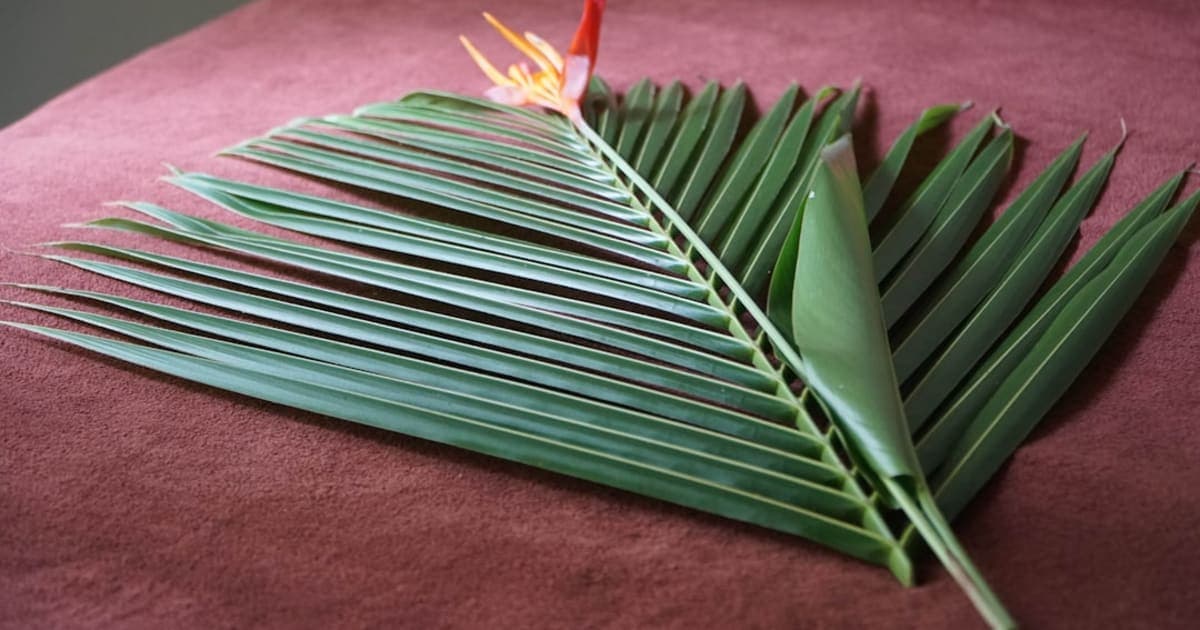
One of Sukkot's most distinctive mitzvot is taking the four species: the etrog (citron), lulav (palm branch), hadassim (myrtle branches), and aravot (willow branches). These are held together and waved in six directions (forward, right, backward, left, up, and down) during the morning service and at other times during the holiday.
The four species represent different types of Jews and different aspects of the human body. The etrog, which has both taste and fragrance, represents Jews who have both Torah learning and good deeds. The lulav (palm, whose fruit, the date, has taste but no fragrance) represents those with learning but fewer good deeds. The myrtle has fragrance but no taste, representing those rich in good deeds but lacking in learning. The willow has neither taste nor fragrance, representing those who have neither. By binding them all together, we express the unity of the Jewish people: every person is essential, and we are complete only together.
Eating and Living in the Sukkah
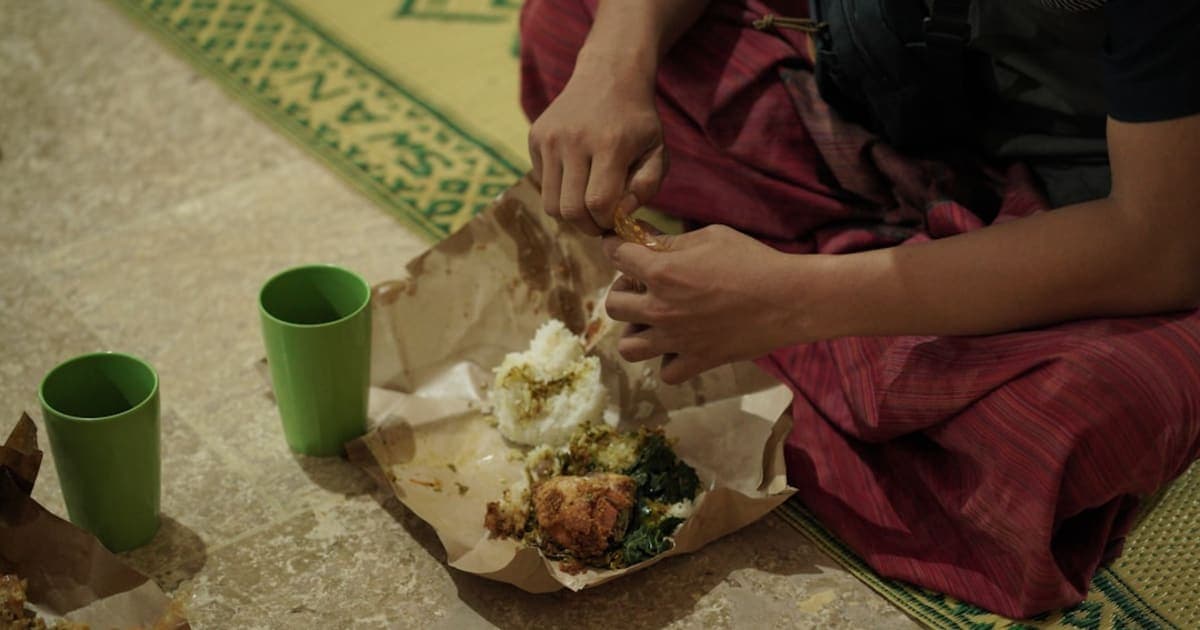
The mitzvah is to eat and (ideally) sleep in the sukkah for the entire seven days, making it your primary dwelling. All meals with bread or mezonot should be eaten in the sukkah. The first night of Sukkot, eating in the sukkah is obligatory (even if it rains, according to some opinions, at least a small amount should be eaten there). On subsequent days, if rain makes the sukkah uncomfortable, you are exempt from eating there.
Before eating in the sukkah, we recite the special blessing leishev basukkah (to dwell in the sukkah). This blessing is said at meals that include bread or other significant food.
Ushpizin: The Holy Guests
A beautiful Sukkot custom is welcoming the ushpizin, seven spiritual guests, one for each day of the holiday. These guests are Abraham, Isaac, Jacob, Moses, Aaron, Joseph, and David. Each night, we invite the corresponding guest into our sukkah with a special recitation, connecting our physical dwelling to the spiritual heritage of our ancestors.
Hoshanah Rabbah
The seventh day of Sukkot, Hoshanah Rabbah, has a special significance. It is considered the final sealing of the judgment that began on Rosh Hashanah. Special prayers (Hoshanot) are recited while circling the bimah (Torah reading platform) seven times, and willow branches are beaten on the ground. This powerful custom symbolizes our final plea for a good year.
The Joy of Sukkot
Sukkot is called zman simchateinu, the time of our joy. The Torah commands us to be joyful on Sukkot more than on any other holiday. This joy comes from multiple sources: gratitude for the harvest (Sukkot falls during the fall harvest season), trust in God's protection (symbolized by the fragile sukkah), the relief of having passed through the judgment of Rosh Hashanah and Yom Kippur, and the pleasure of performing mitzvot with family and friends.
In the time of the Temple, Sukkot featured the Simchat Beit HaShoevah, a celebration of water drawing that was so exuberant the Sages said, Whoever has not seen the Simchat Beit HaShoevah has never seen joy. Today, many communities hold festive gatherings with music, dancing, and celebration to recreate this spirit.
For more on Sukkot and the holidays that follow, see our guides to Shemini Atzeret, Simchat Torah, and the Jewish holiday cycle.