Building a Sukkah: Halachic Requirements
Building a Sukkah: Halachic Requirements
What makes a sukkah kosher, and what common mistakes can accidentally invalidate one? If you are building a sukkah for Sukkot, understanding the halachic requirements ensures that every meal you eat and every moment you spend there fulfills the mitzvah properly. This guide covers the detailed requirements that complement our practical building guide.
Wall Requirements
A sukkah requires a minimum of two complete walls and a partial third wall. The partial third wall must be at least one tefach (approximately 4 inches) wide. In practice, most sukkot have three or four full walls for comfort and stability.
Walls must be at least 10 tefachim high (approximately 40 inches or 100 cm). The maximum height of the sukkah (measured to the schach) is 20 amot (approximately 30 feet or 9.6 meters). A sukkah taller than this is invalid because the schach would be too far above the occupants to provide a sense of dwelling.
Walls must be sturdy enough to withstand a normal wind. A wall that flaps and sways in an ordinary breeze may not be valid. Fabric or canvas walls should be tied securely at both top and bottom (and ideally at points along their length) to prevent significant movement.
The walls do not need to reach the schach. A gap of up to 3 tefachim (approximately 12 inches) between the top of the wall and the schach is acceptable. Similarly, the walls can be raised off the ground up to 3 tefachim without affecting the sukkah's validity (though for practical and privacy reasons, walls typically reach the ground).
Schach Requirements
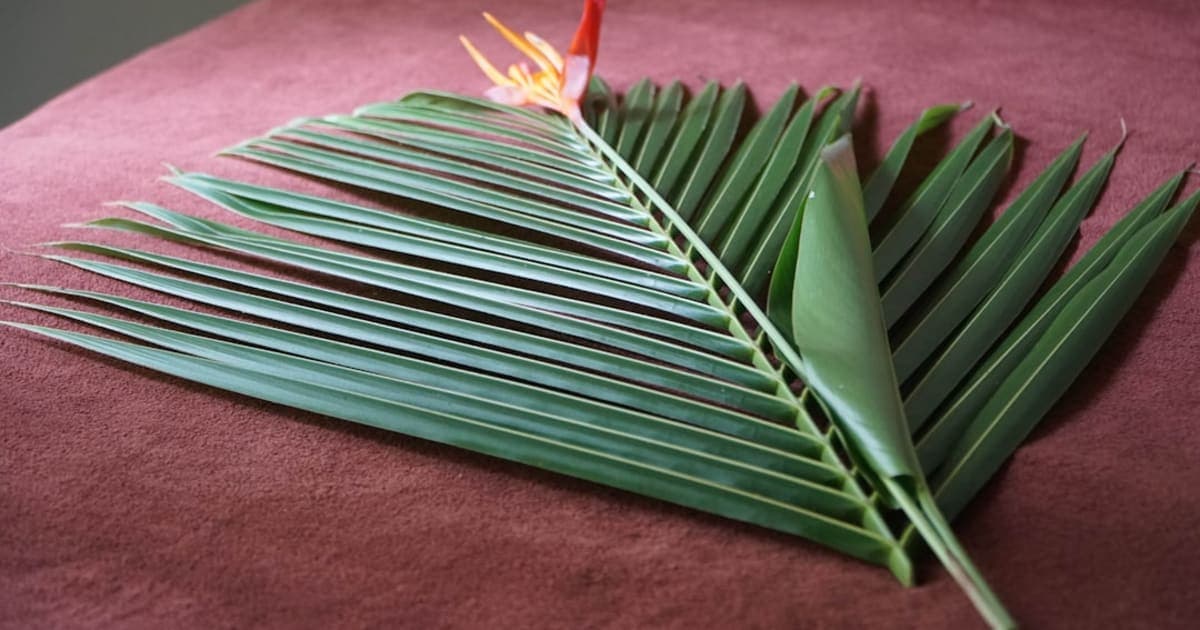
The schach (roof covering) has several specific requirements. It must be made of materials that grew from the ground. This includes branches, bamboo, reeds, wooden planks, palm fronds, and similar natural materials. Processed plant materials (like manufactured boards or furniture) are generally not acceptable.
The schach must be detached from the ground. Branches still growing on a tree or a vine growing over the sukkah cannot serve as valid schach. It must not be susceptible to tumah (ritual impurity). In practical terms, this means avoiding finished products that serve as vessels or containers. Simple wooden boards, bamboo mats, and cut branches all qualify.
The schach should provide more shade than sunlight when the sun is directly overhead. At the same time, it should not be so dense that heavy rain cannot pass through it, and ideally the stars should be visible through it at night. The schach should be placed loosely, not nailed or screwed down permanently, though it can be tied to prevent it from blowing away.
Schach cannot rest directly on metal supports (there is a concern about supporting the schach on materials susceptible to impurity). Many people solve this by placing wooden strips across the metal frame and then laying the schach on the wood.
Size Requirements
The minimum interior dimensions are 7 by 7 tefachim (approximately 28 by 28 inches). This is enough space for one person to sit with a small table. There is no maximum floor area; the sukkah can be as large as you want.
Location Requirements
The sukkah must be under the open sky. No permanent structure may be above the schach. If a tree branch, awning, balcony, or roof overhang extends over any part of the sukkah, the area beneath it is not valid for sitting. If the invalid area is large enough, it can invalidate the entire sukkah.
The sukkah should be on level ground if possible. It can be built on an elevated surface like a balcony or roof, as long as there is open sky above the schach.
Common Issues and Solutions
Rain: If rain falls into the sukkah enough to spoil the food on the table, you are exempt from sitting there (except for the first night). You may eat inside and return when the rain stops.
Wind: Secure walls and schach well. If the schach blows off, the sukkah is no longer valid until it is replaced. If walls blow down, the sukkah may lose its minimum wall requirements.
Overhanging branches: Trim any tree branches that extend over the sukkah area before placing the schach. If branches grow over the sukkah during Sukkot, it can be a problem.
Old schach: Schach that was placed on the sukkah before the month of Tishrei (more than 30 days before Sukkot) should be lifted and placed back down (at minimum) to show that it is being placed for the purpose of the mitzvah.
Decorations: Decorations hanging from the schach should hang within 4 tefachim (approximately 16 inches) of the schach. If they hang lower, the area beneath them may have an issue of invalid schach.
The Principle of Ta'aseh V'Lo Min Ha'Asui
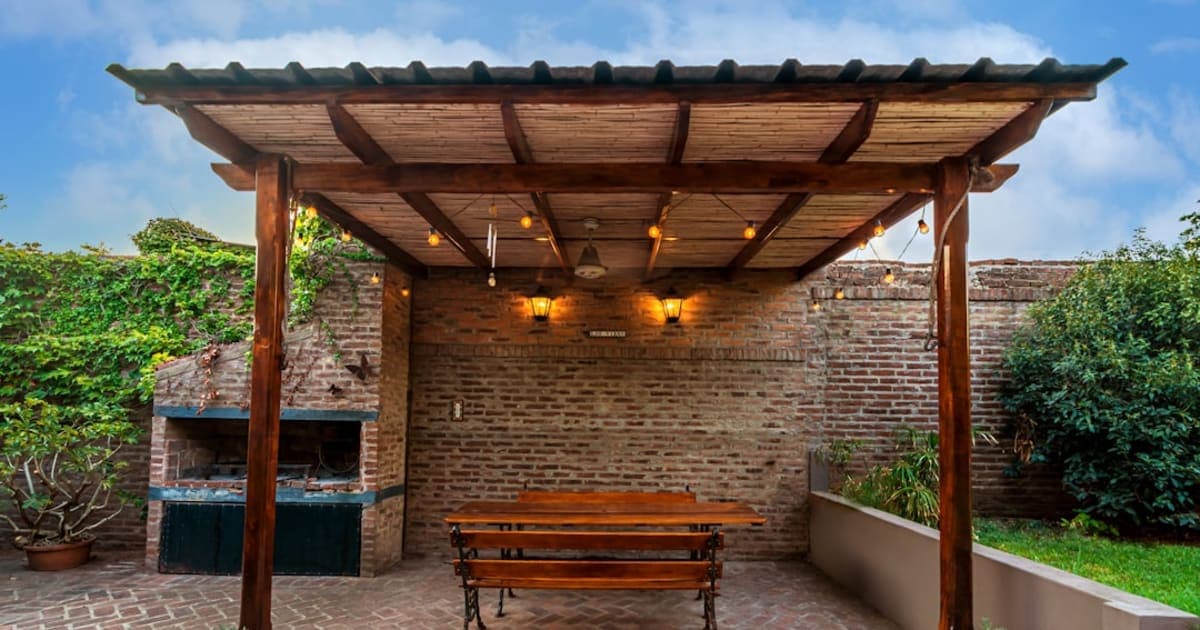
There is a principle that the sukkah should be made actively for the mitzvah, not passively existing. This means, for example, that you cannot simply designate an existing pergola as your sukkah without making some active modification. Adding schach with the intention of fulfilling the mitzvah satisfies this requirement.
For the practical building guide, see building a kosher sukkah. For more on Sukkot, explore our complete guide to Sukkot, the four species, and eating in the sukkah.