Blessings Before and After Eating

What If Every Time You Ate, You Remembered to Say Thank You?
Imagine this: you pick up an apple, pause for just a moment, and whisper a few Hebrew words acknowledging that this fruit -- its color, its sweetness, the tree it grew on -- ultimately comes from God. Then you eat it. The apple tastes the same, but somehow the experience is different. More intentional. More present. More alive.
That is exactly what Jewish blessings over food (brachot) are designed to do. They are short -- most take only a few seconds to say -- but they transform the act of eating from something purely physical into something spiritual. In a world that often encourages mindless consumption, brachot offer a radical counter-practice: mindful gratitude, several times a day, every day.
Why Do Jews Say Blessings Over Food?
The Talmud offers a striking teaching: "It is forbidden to enjoy anything in this world without a blessing." The reasoning is beautiful in its simplicity. Everything we eat comes from the earth, which belongs to God. By saying a blessing, we acknowledge that gift and, in a sense, ask permission to partake. Without a blessing, it is as if we are taking something that does not belong to us.
Blessings also keep us connected to our values throughout the day. You might pray in the morning and in the evening, but blessings over food punctuate the entire day with moments of awareness. They are a core part of daily Jewish practice and one of the first things many people take on when they begin exploring Judaism.
Blessings Before Eating (Berachot Rishonot)
Before eating or drinking anything, Jewish practice calls for a specific blessing. The blessing you say depends on the type of food. There are six main categories:
1. HaMotzi -- Bread
"Baruch Atah Hashem, Elokeinu Melech ha'olam, hamotzi lechem min ha'aretz."
(Blessed are You, Lord our God, King of the universe, who brings forth bread from the earth.)
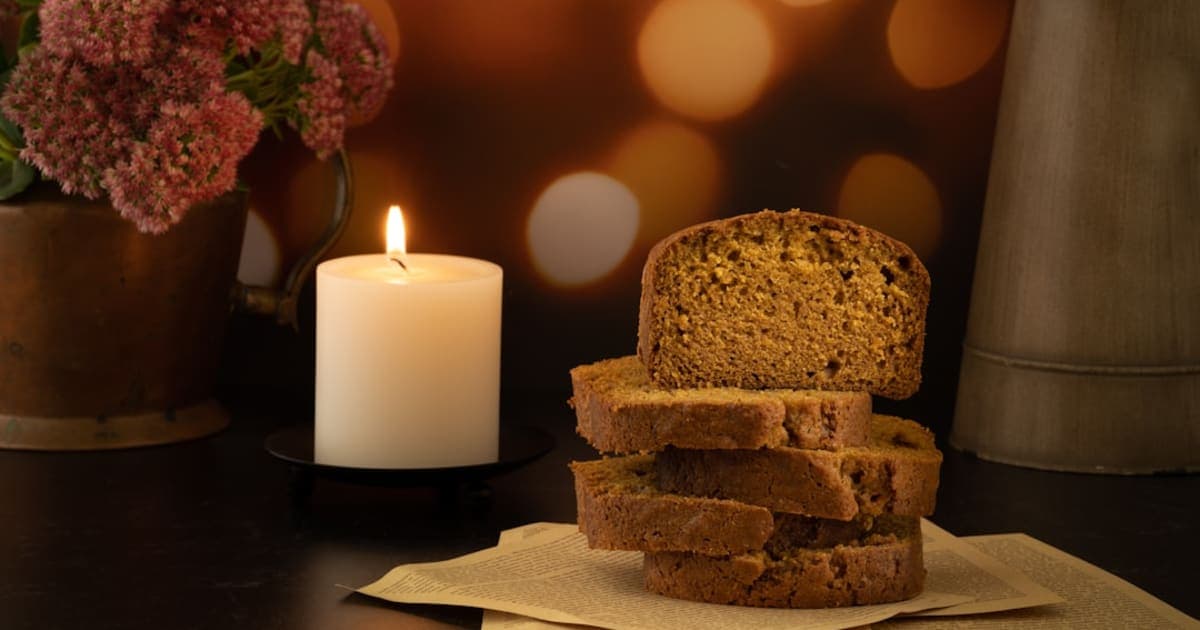
This blessing is said over bread made from one of the five grains: wheat, barley, rye, oats, or spelt. Bread holds a special status in Jewish law -- when you eat bread as part of a meal, the HaMotzi blessing covers all the other foods in the meal (with a few exceptions). This is one reason bread is so central to Shabbat and holiday meals. Before saying HaMotzi, it is customary to wash your hands ritually (netilat yadayim) and remain silent until you eat the first bite.
2. Mezonot -- Grain-Based Foods
"...borei minei mezonot."
(... who creates various kinds of nourishment.)
This blessing covers foods made from the five grains but that are not considered "bread" -- things like cake, cookies, pasta, crackers, cereal, and most baked snacks. If you are unsure whether something counts as bread or mezonot, a good rule of thumb is that items eaten as a meal (like a sandwich) are usually HaMotzi, while snack items are usually Mezonot.
3. Ha'Etz -- Fruit from Trees
"...borei pri ha'etz."
(... who creates the fruit of the tree.)
Say this over fruits that grow on trees: apples, oranges, grapes, pears, dates, figs, pomegranates, and many more. If you are eating fruit from the seven species of Israel (wheat, barley, grapes, figs, pomegranates, olives, and dates), there are special rules about which blessing takes priority.
4. Ha'Adamah -- Produce from the Ground
"...borei pri ha'adamah."
(... who creates the fruit of the ground.)
This blessing is for vegetables and fruits that grow from the ground or on low bushes: carrots, potatoes, lettuce, bananas (yes, bananas -- they grow on a plant that does not have a permanent trunk), strawberries, watermelon, and peanuts.
5. Shehakol -- Everything Else
"...shehakol nihyeh bidvaro."
(... by whose word all things came to be.)
This is the "catch-all" blessing for foods that do not fit neatly into the other categories: meat, fish, eggs, dairy products, drinks (including water and juice), candy, chocolate, and anything else. If you are ever unsure which blessing to say, Shehakol is generally considered valid for any food.
6. Ha'Gafen -- Wine and Grape Juice
"...borei pri ha'gafen."
(... who creates the fruit of the vine.)
Wine and grape juice have their own special blessing, reflecting their elevated status in Jewish life. Wine is used for Kiddush on Shabbat, at the Passover Seder, at weddings, and for other holy occasions.
Blessings After Eating (Berachot Acharonot)
Just as we thank God before eating, we also express gratitude after. The after-blessing depends on what you ate:
Birkat HaMazon -- After Bread
After eating a meal that includes bread, you say Birkat HaMazon (Grace After Meals). This is the longest of the after-blessings -- a series of four blessings that thank God for food, for the Land of Israel, for Jerusalem, and for God's goodness. It is traditionally said from a printed text (a bencher or a siddur) and can be said individually or as a group. When three or more people eat together, a short introductory section (zimun) is added.
Al HaMichya -- After Grain Products, Wine, and Special Fruits
After eating grain-based products (mezonot), drinking wine or grape juice, or eating fruits from the seven species of Israel, you say a blessing called Al HaMichya (or its variations: Al HaGefen for wine, Al Ha'Etz for the special fruits). This is a shorter, single-paragraph blessing.
Borei Nefashot -- After Everything Else
After eating or drinking anything that requires a Shehakol, Ha'Etz, or Ha'Adamah blessing (and is not covered by the above categories), you say Borei Nefashot. It is a brief, beautiful prayer: "Blessed are You, Lord our God, King of the universe, who creates numerous living beings and their needs, for all the things You have created to sustain every living being. Blessed is He who is the life of the worlds."
Practical Tips for Getting Started
Learning blessings can feel like a lot at first. Here are some suggestions to make it manageable and enjoyable:
Start with Shehakol
If remembering six different blessings feels overwhelming, start by saying Shehakol before everything you eat or drink. It is valid for all foods, and once it becomes second nature, you can start differentiating.
Use a Chart or App
Many people keep a blessings chart on their fridge or use a smartphone app that lets you look up the correct blessing for any food. There is no shame in checking -- even experienced people look things up sometimes.
Learn One Blessing at a Time
Once Shehakol feels natural, add HaMotzi (since you probably eat bread regularly). Then Ha'Etz for fruits. Then Ha'Adamah. Build gradually.
Say Blessings Out Loud
Blessings should be said audibly -- at least loud enough that you can hear yourself. This helps you focus and makes the practice feel more real.
Teach Your Kids
Children love learning blessings, especially when tied to specific foods they enjoy. "What blessing do we say on an apple?" can become a fun family game. See our guide on making Jewish practice meaningful for kids for more ideas.
Common Questions About Brachot
What if I am eating multiple foods?
Generally, say the most specific blessing first. If eating bread as part of a meal, HaMotzi covers most other foods. If eating a variety of snacks, say the appropriate blessing for each category before eating. With practice, this becomes intuitive.
How much do I need to eat for a blessing?
A before-blessing is said before eating any amount. After-blessings generally require eating at least an olive's volume (k'zayit) within a reasonable time frame. For drinks, the threshold is typically a cheek-full (melo lugmav).
What if I forget to say a blessing?
If you realize mid-bite that you forgot, you can still say the before-blessing as long as you have not finished eating. For after-blessings, there is a time window (which varies by the type of food). When in doubt, it is better to say it late than not at all.
Do blessings apply to water and coffee?
Yes. Before drinking water, coffee, tea, juice, or any beverage, say Shehakol. After finishing, say Borei Nefashot (provided you drank enough).
The Deeper Meaning: Why This Matters
In a fast-paced world, blessings over food are a gentle, daily practice of presence and gratitude. They remind us that nothing we have is truly "ours" -- it is all a gift. They slow us down just enough to notice the abundance in our lives.
The practice also connects you to Jews around the world who are saying the very same words -- the same blessings that have been said for thousands of years. When you say borei pri ha'etz over an apple, you are joining a chain of gratitude that stretches back to the earliest days of the Jewish people.
As with all Jewish practice, perfection is not the goal -- consistency and growth are. Start with one blessing. Let it become familiar. Then add another. Before long, you will find that these short prayers have quietly woven themselves into the fabric of your day, turning ordinary moments into something sacred.