Why Do We Dip Challah in Salt?
What Is the Meaning Behind That Pinch of Salt?
It is one of the simplest rituals at the Shabbat table. After Kiddush is recited over the wine and the challah is uncovered, the head of the household says the HaMotzi blessing, cuts or tears the challah, and then dips each piece in salt before distributing it around the table. It takes just a moment, and many people do it without thinking twice. But like so many Jewish customs, this small act carries layers of meaning that stretch back thousands of years and touch on some of the deepest themes of Jewish life.
So why do we dip challah in salt? The answer involves the Holy Temple in Jerusalem, an eternal covenant between God and the Jewish people, the spiritual transformation of everyday eating, and a remarkable teaching about how every Jewish table can become an altar.
Our Table Is Like the Altar
The most well-known reason for dipping bread in salt comes from a powerful teaching in the Talmud: after the destruction of the Holy Temple, the Jewish dining table serves as a substitute for the altar. In the Temple, every offering brought upon the altar was accompanied by salt. The Torah states: "On all your offerings you shall bring salt" (Leviticus 2:13). No sacrifice was complete without it.
When the Temple was destroyed in 70 CE, the Jewish people lost the ability to bring offerings. But the sages taught that the acts of daily life, particularly eating, prayer, and acts of kindness, could serve as replacements for the Temple service. The table where we eat became our altar. The food we eat with proper blessings and gratitude became our offering. And the salt we place on our bread became the salt of the altar, preserving the continuity of this sacred practice even without a standing Temple.
This is why the custom of salting bread applies not only on Shabbat but at every meal where bread is eaten throughout the week. However, on Shabbat, the practice takes on special significance. The Shabbat table, with its candles, wine, two loaves, and festive atmosphere, most closely resembles the Temple altar in its beauty and sanctity. When we salt the challah on Shabbat, we are performing a miniature Temple service in our own homes.
The Covenant of Salt
The Torah uses a remarkable phrase: brit melach olam, "an eternal covenant of salt" (Numbers 18:19). God describes His covenant with the Jewish people as being like salt, permanent, unchanging, and enduring. But why salt? What is it about this particular substance that makes it a fitting symbol for an eternal relationship?
Several qualities of salt make the metaphor powerful:
- Salt never spoils. Unlike virtually every other food substance, salt does not decay, rot, or go bad. It is a symbol of permanence. God's covenant with the Jewish people is like salt: it will never expire or deteriorate, no matter what happens.
- Salt preserves. In the ancient world, salt was the primary means of preserving food. It prevented decay and kept things fresh. The covenant of salt preserves the relationship between God and Israel, keeping it alive and vital across the centuries.
- Salt enhances flavor. Salt does not dominate a dish; it brings out the best in everything it touches. Similarly, the covenant with God does not suppress our individuality but brings out the best in who we are.
- Salt is essential. The human body cannot survive without salt. It is not a luxury but a necessity. Our covenant with God is similarly not optional or decorative; it is essential to our identity and purpose as a people.
When we dip our challah in salt, we are renewing this covenant. With every Shabbat meal, we silently affirm: the bond between us and God is eternal, preserving, enhancing, and essential.
Salt and the Spiritual Transformation of Eating
Judaism has always had a unique approach to eating. Unlike some spiritual traditions that view food and physical pleasure with suspicion, Jewish thought embraces eating as a potential act of holiness. The key word is "potential." Eating can be a purely animalistic act, or it can be elevated into something sacred. The difference lies in our intention and the blessings we bring to the experience.
Salt plays a special role in this transformation. In the Temple, the salt on the altar was what elevated an animal offering from mere slaughter into a sacred act of worship. In the same way, the salt on our bread elevates our meal from mere consumption into an act of spiritual significance.
This is especially meaningful in the context of Shabbat meals, which are themselves considered sacred. The food we eat on Shabbat is not just fuel for the body; it is nourishment for the soul. The challah, the wine, the festive dishes, all of these are part of the mitzvah of honoring Shabbat. The salt is the finishing touch that completes the transformation, turning a family dinner into a sacred feast.
How to Dip: Practical Customs
While the basic practice is straightforward, there are several customs and variations worth knowing:
Dipping vs. Sprinkling
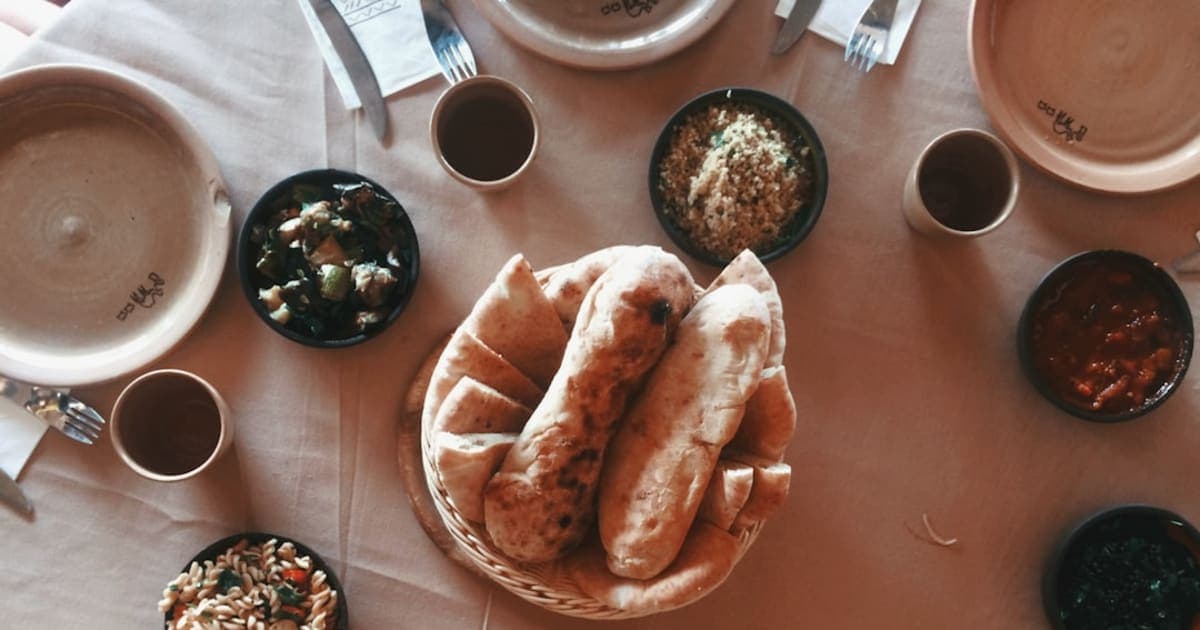
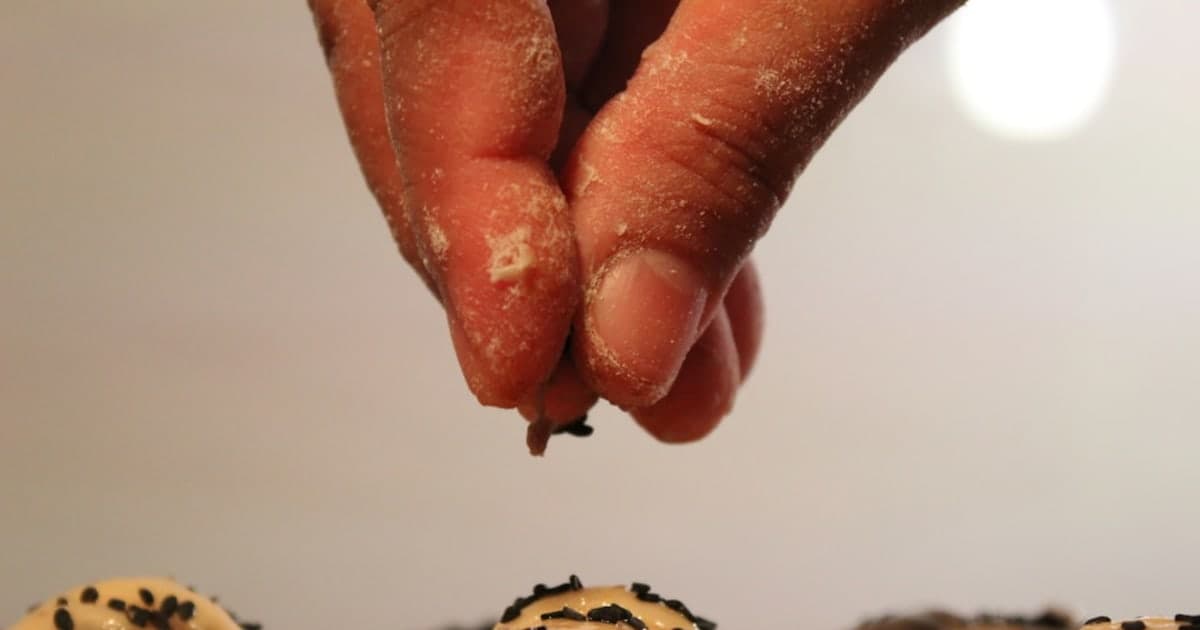
The most common practice is to dip the piece of challah directly into a small dish or pile of salt. Some people prefer to sprinkle salt on top of the challah after cutting it. Both methods are perfectly acceptable. The key is that salt makes contact with the bread before it is eaten.
How Much Salt?
You do not need to use a large amount of salt. A light dip or sprinkle is sufficient. The point is the symbolic act, not the seasoning. Some people barely touch the challah to the salt, while others prefer a more generous coating. Follow your family's custom or your own preference.
Three Dips
There is a widespread custom to dip the challah in salt three times. Various reasons are given for this:
- The Hebrew word for salt (melach) has a numerical value (gematria) of 78, which equals three times 26, the numerical value of God's four-letter name. Three dips thus connect the salt to the divine name.
- Three dips correspond to the three patriarchs: Abraham, Isaac, and Jacob.
- Three is a number of completeness and strength in Jewish thought.
Rosh Hashanah Exception
On Rosh Hashanah, many communities have the custom to dip the challah in honey instead of salt (or in addition to salt), symbolizing our prayer for a sweet new year. This is one of the most well-known variations and is a beloved tradition that both children and adults enjoy.
Salt at the Shabbat Table: A Deeper Look
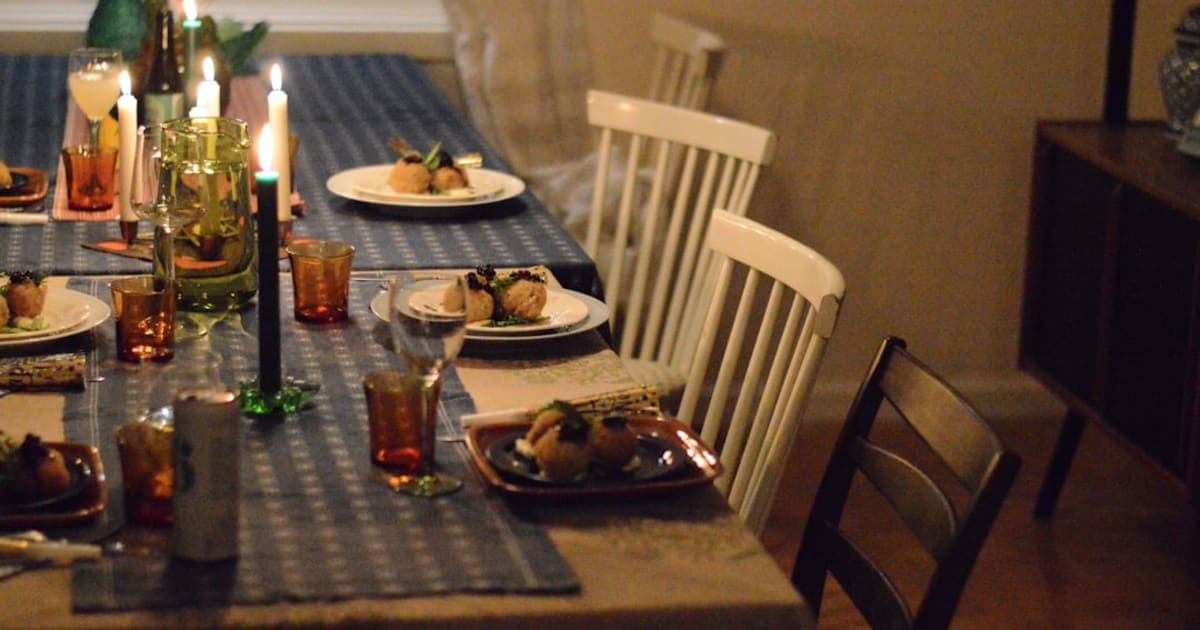
The Shabbat table, with all its elements working together, creates a unified spiritual experience. Consider how the pieces fit together:
- The tablecloth represents the lower layer of dew that cushioned the manna in the desert.
- The two loaves of challah represent the double portion of manna that fell on Friday.
- The challah cover represents the upper layer of dew.
- The salt connects the table to the Temple altar.
- The wine for Kiddush sanctifies the day.
- The candles bring light, peace, and the divine presence into the home.
Each element has its own meaning, but together they create something greater than the sum of their parts. The salt is not an afterthought or a seasoning choice. It is an integral piece of a carefully designed sacred tableau that transforms an ordinary table into a place where heaven and earth meet.
What the Salt Teaches Us About Jewish Life
The custom of dipping challah in salt embodies several important principles that run throughout Jewish life:
- Small acts matter. A pinch of salt is tiny, almost invisible. But it carries the weight of the Temple service, the covenant with God, and thousands of years of Jewish continuity. Judaism teaches that no act is too small to be meaningful.
- The physical can be holy. Eating bread with salt is about as mundane as it gets. Yet through intention, blessing, and tradition, it becomes a sacred act. This is the Jewish approach to the material world: not to flee from it but to elevate it.
- Memory is active. By salting our bread, we actively remember the Temple and the covenant. We do not just think about the past; we reenact it, keeping it alive in our daily lives.
- Every home is a Temple. The most revolutionary teaching embedded in this custom is that you do not need a grand building or a priestly class to connect with God. Your kitchen table, with bread and salt and gratitude, is holy ground.
Bringing It Home
The next time you sit down for a Shabbat meal, or any meal with bread, take a moment when you reach for the salt. This is not just seasoning. This is covenant. This is memory. This is transformation. With a pinch of salt, you are doing what Jews have done for millennia: turning the act of eating into an act of worship, connecting your table to the altar in Jerusalem, and renewing a bond with God that will never expire.
It is one of the smallest gestures in Jewish life, and one of the most profound. Keep the salt on the table. Keep the covenant alive.