Why Do We Cover the Challah?
Why Is the Challah Hiding Under a Cloth?
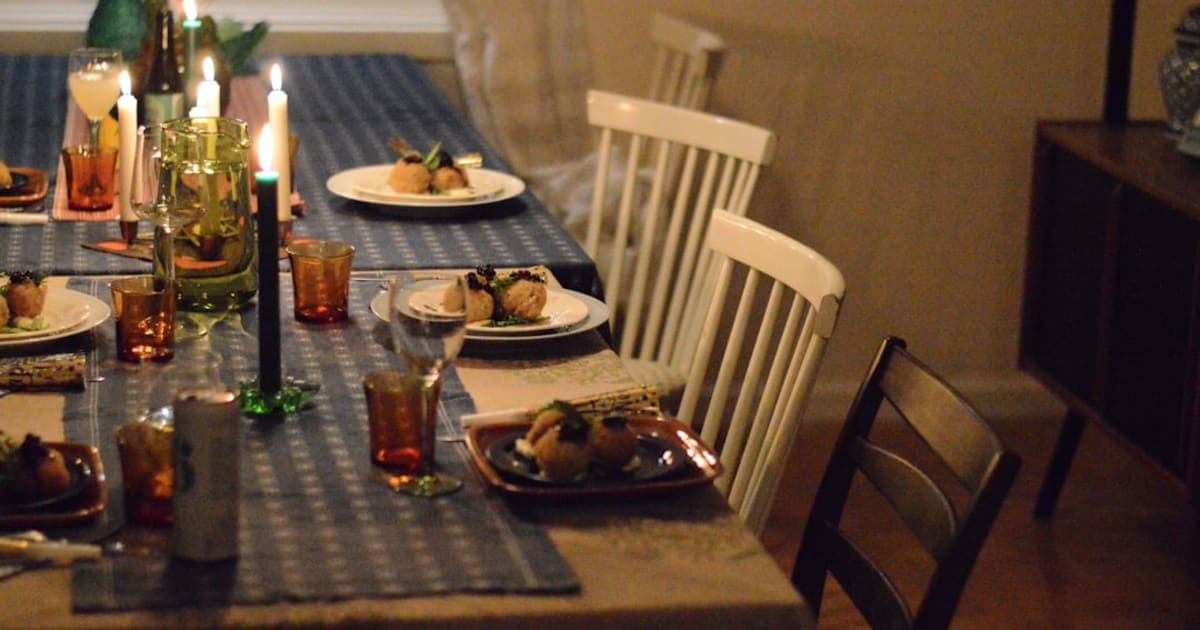
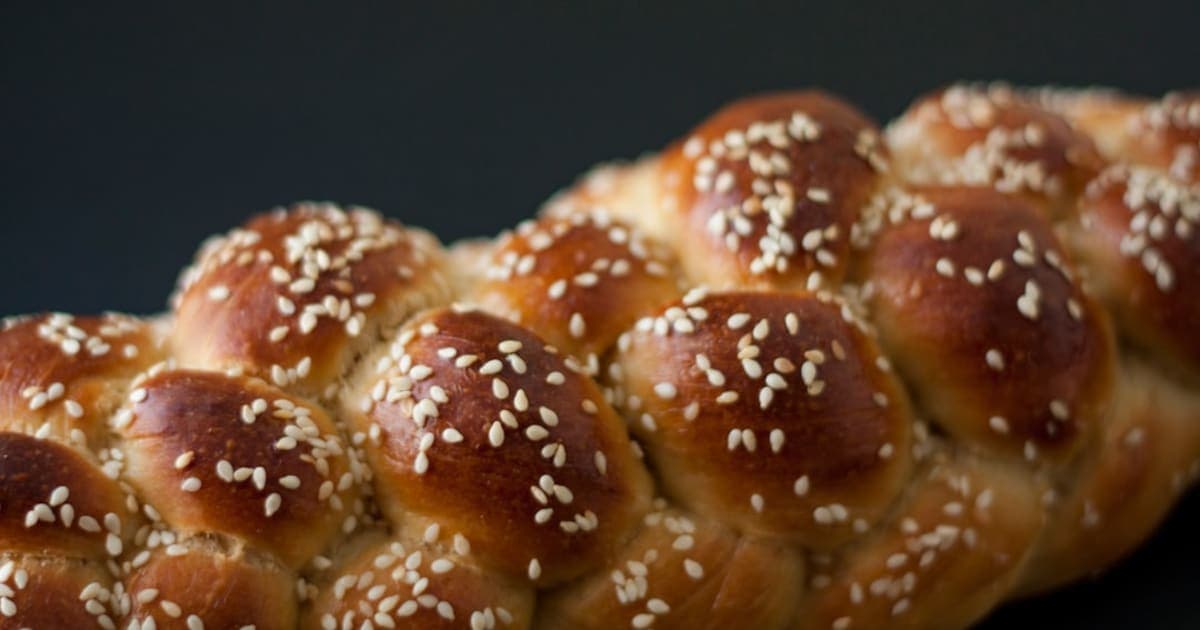
Picture a typical Friday night scene: the Shabbat candles are glowing, the table is set, and right there in the center sit two beautiful loaves of challah, covered by a decorative cloth. The head of the household lifts the Kiddush cup, recites the blessing over wine, and only then is the cover removed to reveal the challah for HaMotzi. This happens in Jewish homes around the world every single week, but have you ever stopped to ask: why do we cover the challah in the first place?
The answer, as is often the case in Jewish tradition, operates on multiple levels. There are halachic (legal), historical, mystical, and ethical reasons for this practice, and each one offers a window into the values and wisdom that shape Jewish life. What might seem like a simple table decoration turns out to be a profound teaching about sensitivity, order, trust, and the way we treat even the most ordinary objects in our world.
The Halachic Reason: The Order of Blessings
The most straightforward reason for covering the challah relates to the order in which we recite blessings on Shabbat. There is a general principle in Jewish law that when multiple foods are present, we should recite the blessing over the more "important" one first. Bread is normally considered the most important food at any meal. In fact, the blessing over bread (HaMotzi) covers all other foods eaten during the meal.
However, on Shabbat and holidays, we begin the meal with Kiddush, the blessing over wine, before we bless the bread. This creates a problem: if bread is supposed to come first, why are we blessing wine first? The solution is to cover the challah. When the challah is covered, it is as if it is not "present" on the table, and the wine can receive its blessing first without any halachic conflict. Once Kiddush is complete, the cover is removed and HaMotzi is recited in its proper place.
This might seem like a technical detail, but it reflects something important about how Jewish law approaches even small matters with care and precision. The rabbis did not want there to be any appearance of disorder or disrespect, even in something as seemingly minor as the sequence of blessings at a meal.
The Historical Reason: Remembering the Manna
The second reason takes us back to the desert, to the same story that gives us the custom of lechem mishneh (two loaves) on Shabbat. When the manna fell from heaven each morning to feed the Israelites, the Torah describes it as being sandwiched between two layers of dew. A layer of dew settled on the ground first, then the manna appeared on top of it, and then another layer of dew covered the manna from above.
The challah cover and the surface it rests on (the tablecloth, challah board, or tray) represent these two layers of dew. The cloth on top symbolizes the upper layer of dew, while the surface beneath symbolizes the lower layer. The challah itself, sitting between these two layers, represents the manna.
This is a beautiful example of how Jewish ritual turns an ordinary table into a stage for sacred memory. Every Friday night, without even thinking about it, we reconstruct a scene from the desert, surrounding our bread with "dew" just as God surrounded the manna with dew. The message is one of divine care: God did not just drop the manna on the bare ground. He cushioned it, protected it, and presented it with dignity. Our challah cover is a reminder that we are sustained by a God who provides not just sufficiently but beautifully.
The Ethical Reason: Protecting the Challah's "Honor"
Perhaps the most famous and beloved reason for covering the challah is the ethical one, and it is a teaching that extends far beyond the Shabbat table. The idea is as follows: normally, bread is the first food to be blessed at a meal. On Shabbat, however, the challah must "wait" while Kiddush is recited over the wine. If the challah were sitting there uncovered, "watching" as the wine received the first blessing, it would be "embarrassed" by being bypassed.
Now, of course, bread does not have feelings. Challah cannot actually be embarrassed. But that is precisely the point. The rabbis are teaching us something extraordinary about sensitivity: if we should be careful about the "feelings" of an inanimate loaf of bread, how much more careful should we be about the feelings of actual human beings?
This teaching is often cited as one of the most powerful ethical lessons embedded in Shabbat practice. If Jewish law asks us to cover bread to avoid even the appearance of embarrassment, imagine how seriously we must take the real embarrassment of a real person. Embarrassing someone publicly is considered one of the most serious interpersonal sins in Jewish ethics, comparable to shedding blood. The challah cover is a weekly, hands-on reminder of this value.
This connects to the broader Jewish emphasis on speech and interpersonal sensitivity that is explored in articles like understanding lashon hara (harmful speech) and kindness and respect in Judaism.
The Mystical Reason: Concealment and Revelation
Jewish mystical tradition adds yet another layer of meaning. In Kabbalistic thought, there is a powerful concept of concealment and revelation. The deepest truths and the greatest holiness are often hidden, waiting to be uncovered. The challah cover symbolizes this dynamic.
On a mystical level, the challah represents the hidden blessings that Shabbat brings into the world. During the week, these blessings are concealed. On Shabbat, they are revealed. The act of covering the challah and then uncovering it reenacts this process of concealment and revelation. When we lift the cover after Kiddush, we are symbolically revealing the hidden light and abundance of Shabbat.
This connects to the broader mystical understanding of Shabbat as a time when the extra soul (neshama yetera) is revealed, when spiritual realities that are hidden during the week become accessible, and when the world as it truly is, infused with divine presence, becomes perceptible to those who are open to it.
Practical Details of Covering the Challah
Now that we understand the reasons, here are some practical guidelines for this custom:
What to Use as a Cover
- A challah cover: The most common choice is a decorative cloth made specifically for this purpose. These come in every style imaginable, from simple white linen to elaborately embroidered works of art. Many feature Hebrew text, often the words of the HaMotzi blessing or "Shabbat Kodesh" (Holy Shabbat).
- Any clean cloth: If you do not have a dedicated challah cover, a clean napkin, towel, or cloth works perfectly fine. The beauty of the cover adds to the Shabbat atmosphere, but the essential requirement is simply that the challah be covered.
- Paper towel in a pinch: If you are eating a Shabbat meal somewhere without any cloth available, even a paper towel can serve the purpose. The point is the covering, not the material.
When to Cover and Uncover
- Cover before Kiddush: The challah should be covered before Kiddush begins. Many people cover it when setting the table.
- Uncover for HaMotzi: After Kiddush is complete and everyone has drunk from the wine or grape juice, the cover is removed and HaMotzi is recited over the two uncovered loaves.
- During Birkat Hamazon: Some have the custom to cover the challah again (or cover any remaining bread) during Birkat Hamazon (Grace After Meals), though this is not universally practiced.
The Bottom Layer
To fully recreate the manna imagery, many people are careful to place the challah on a special tray, board, or cloth, providing the "bottom layer of dew" in addition to the cover on top. A challah board with a cloth or napkin beneath the loaves and the cover on top creates the complete manna sandwich.
Challah Covers as Jewish Art
Over the centuries, the challah cover has become one of the most beloved objects of Jewish art and craft. From hand-embroidered covers passed down through generations to modern designs featuring contemporary art, the challah cover reflects the Jewish value of hiddur mitzvah, beautifying a commandment.
Making or choosing a challah cover can be a meaningful personal or family project. Many families have covers made by children or grandchildren, transforming a ritual object into a treasured heirloom. Some families collect challah covers from travels to Jewish communities around the world, each one carrying memories and connections to Jews in different places.
If you are looking for a meaningful gift for someone beginning their Jewish journey, a beautiful challah cover is one of the most thoughtful choices. It is useful every single week, it beautifies the Shabbat table, and it carries all the layers of meaning we have explored in this article.
The Bigger Picture: What Challah Covering Teaches About Jewish Life
The practice of covering the challah is a perfect microcosm of how Jewish ritual works. A simple physical act, placing a cloth over bread, contains within it:
- A halachic principle about the proper order of blessings
- A historical memory connecting us to the Exodus and the desert
- An ethical teaching about sensitivity and the dignity of others
- A mystical insight about the hidden nature of holiness
This is what makes Jewish practice so endlessly rich. Every mitzvah, even the seemingly smallest one, is a doorway into multiple dimensions of meaning. The challah cover is not "just" a cover. It is a teacher, a memory keeper, an ethical guide, and a window into the sacred.
The next time you place that cloth over the challah on Friday night, pause for just a moment. Think about the manna in the desert, cushioned by dew. Think about the bread waiting patiently while the wine is blessed first. Think about how we should protect the dignity of every person around our table. And then lift the cover, say HaMotzi, and share the bread with the people you love. That is Shabbat at its finest: simple acts filled with infinite meaning.