What Is Yom Kippur?
What Is Yom Kippur?
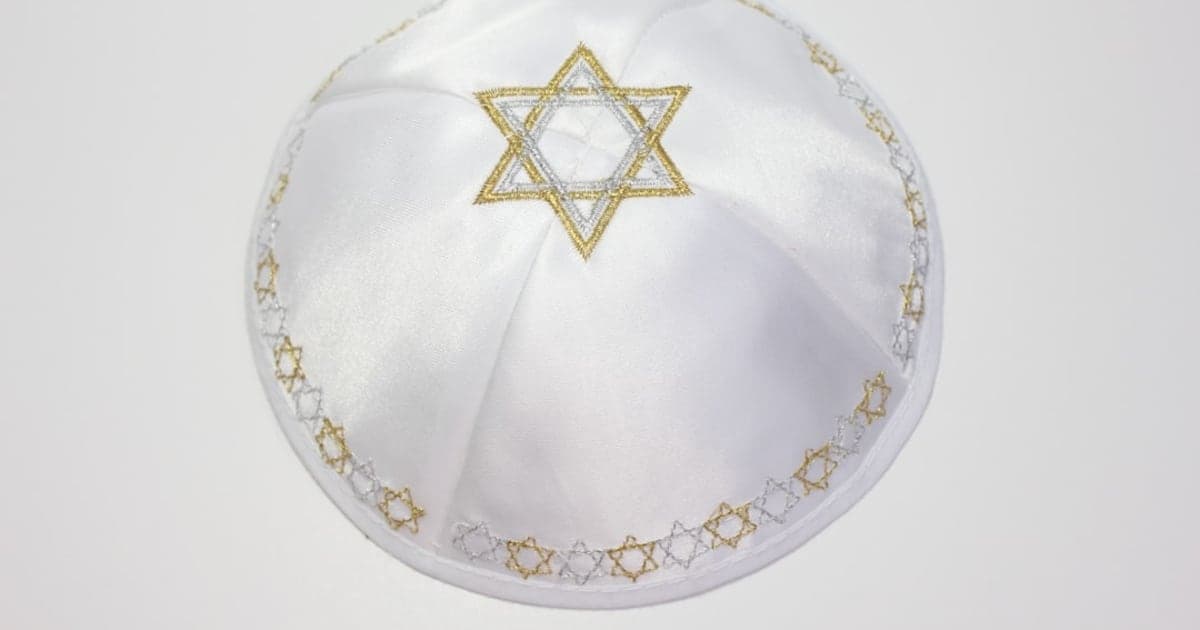
What if you had one day each year when everything could be forgiven and you could truly start fresh? Yom Kippur, the Day of Atonement, is the holiest day on the Jewish calendar. Falling on the 10th of Tishrei, at the conclusion of the Ten Days of Repentance, it is a 25-hour period of fasting, prayer, and profound introspection during which we seek forgiveness from God and from each other.
The Holiest Day
Yom Kippur is the only day of the year when the High Priest entered the Holy of Holies in the Temple. It is the day when God's mercy is at its most accessible and when the promise of atonement is most complete. The Torah states: On this day, atonement shall be made for you, to purify you. From all your sins before God, you shall be purified.
The Five Services
Yom Kippur has five prayer services, more than any other day. Kol Nidrei (evening): The haunting Kol Nidrei declaration opens Yom Kippur as the sun sets. Shacharit (morning): An extended morning service with special Torah readings and the Viduy confession. Musaf: Includes the Avodah, the dramatic reenactment of the High Priest's Temple service. Mincha (afternoon): Torah reading and Haftarah from the Book of Jonah. Neilah (closing): The final, most intense service, when the gates of heaven are about to close.
The Fast
The Yom Kippur fast involves five afflictions: no eating, no drinking, no bathing for pleasure, no wearing leather shoes, and no marital relations. These withdrawals from physical comfort allow us to focus entirely on the spiritual dimension of the day. Proper preparation makes the fast manageable and meaningful.
Kol Nidrei
The Kol Nidrei service on Yom Kippur evening is the most widely attended Jewish service of the year. The Kol Nidrei declaration annuls certain types of vows and promises, clearing the slate so we can approach God without the burden of unfulfilled commitments. Its melody is among the most recognizable and emotionally powerful in Jewish music.
Kapparot
Before Yom Kippur, many people perform the Kapparot ceremony, symbolically transferring sins to a chicken or money, which is then given to charity.
The Promise of Forgiveness
The central message of Yom Kippur is that teshuvah (repentance) works. No matter how far you have strayed, no matter how many mistakes you have made, genuine return is always possible. God actively desires our teshuvah and meets us more than halfway when we sincerely seek to change. Yom Kippur ends with the blast of the shofar and the declaration The Lord, He is God, an affirmation of faith after a day of honest reckoning.
For more on Yom Kippur, see our guides to Neilah, Viduy, and the Ten Days of Repentance.