What Is Rosh Hashanah?
What Is Rosh Hashanah?
What if the New Year was not about parties and resolutions but about standing before God and taking stock of your life? Rosh Hashanah, the Jewish New Year, falls on the 1st and 2nd of Tishrei (typically September or October) and is one of the most significant days on the Jewish calendar. It is simultaneously a celebration of creation, a day of divine judgment, and the beginning of the Ten Days of Repentance that culminate in Yom Kippur.
The Day of Judgment
Rosh Hashanah is called Yom HaDin, the Day of Judgment. Jewish tradition teaches that on this day, God reviews the deeds of every person and determines what the coming year will hold. The imagery is vivid: God opens the Book of Life and judges each person, inscribing the righteous for a good year, the wicked for punishment, and the majority of people (who are neither wholly righteous nor wholly wicked) are given until Yom Kippur to tip the scales through teshuvah (repentance).
This is why the traditional greeting is Shanah Tovah (a good year) or, more formally, May you be inscribed and sealed for a good year. The judgment is not about fear but about the recognition that our choices matter, that God pays attention, and that every year is an opportunity to grow.
The Shofar
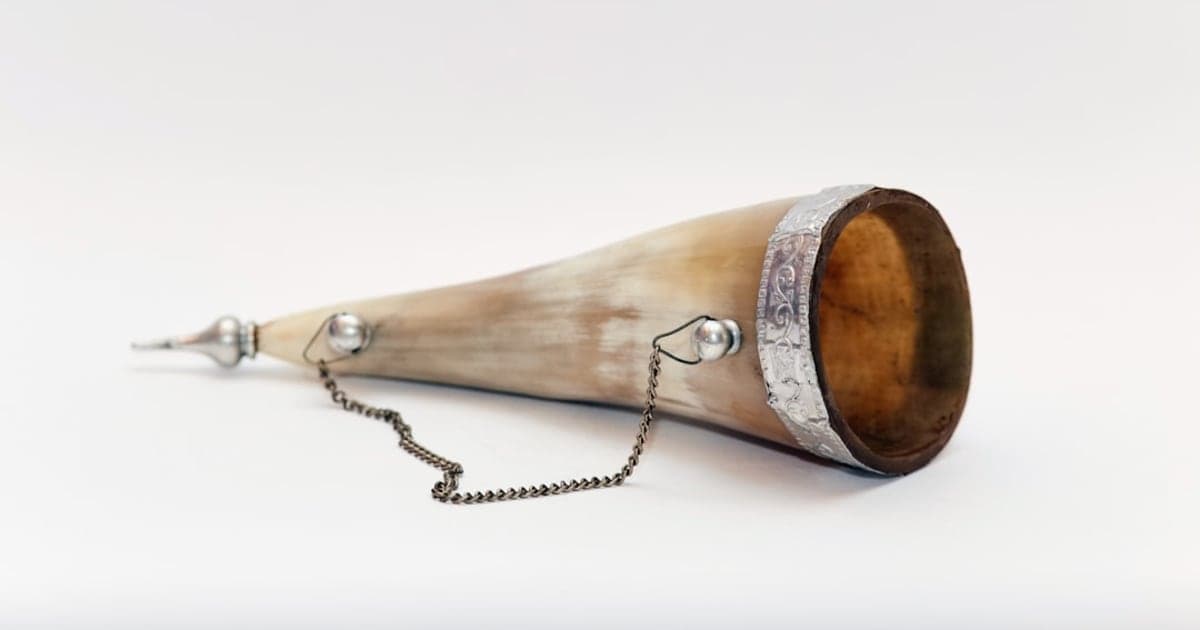
The most iconic observance of Rosh Hashanah is the blowing of the shofar, a ram's horn. The shofar's piercing, raw sound is a wake-up call to the soul. The different sounds, tekiah (a long blast), shevarim (three medium blasts), and teruah (nine short blasts), each carry specific meanings related to coronation, crying, and hope.
Key Customs
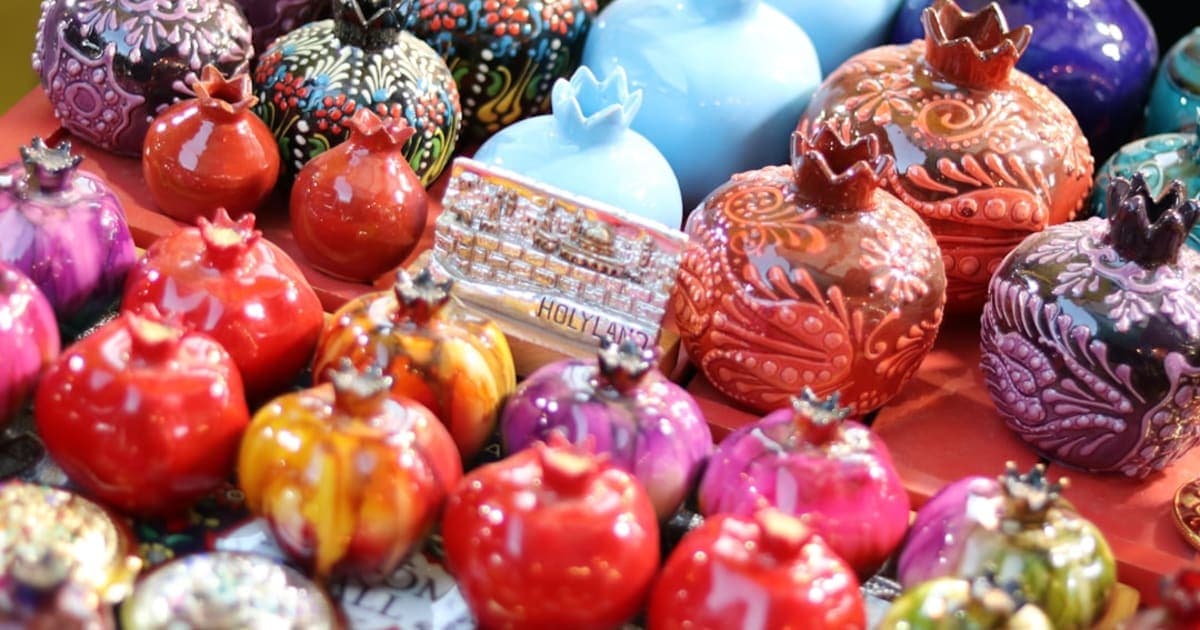
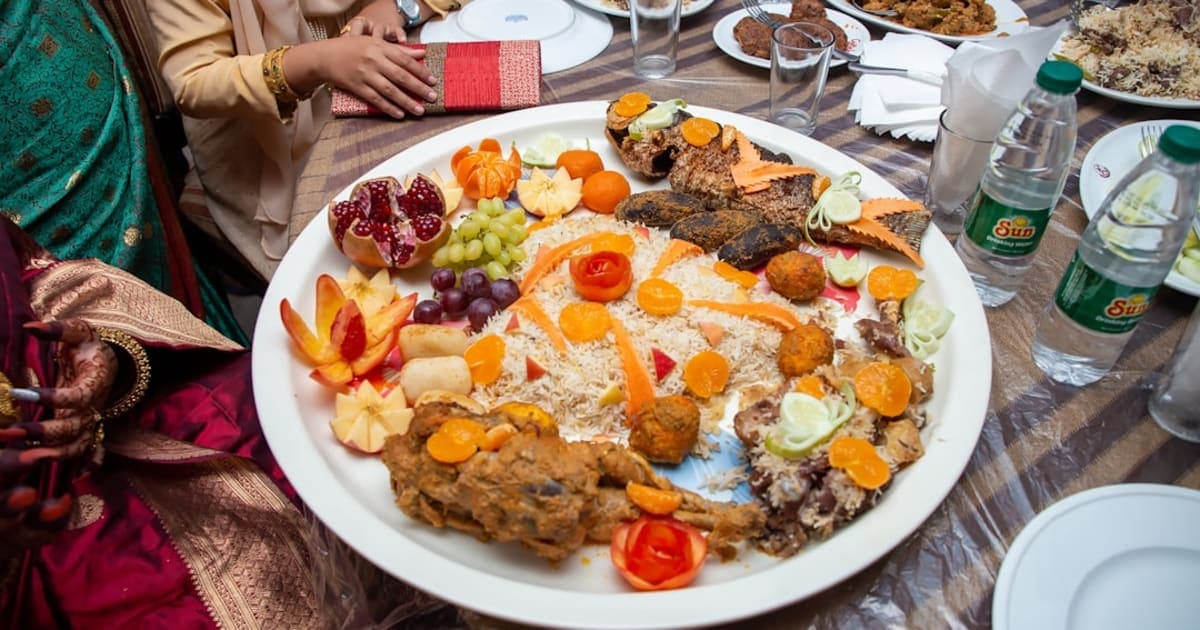
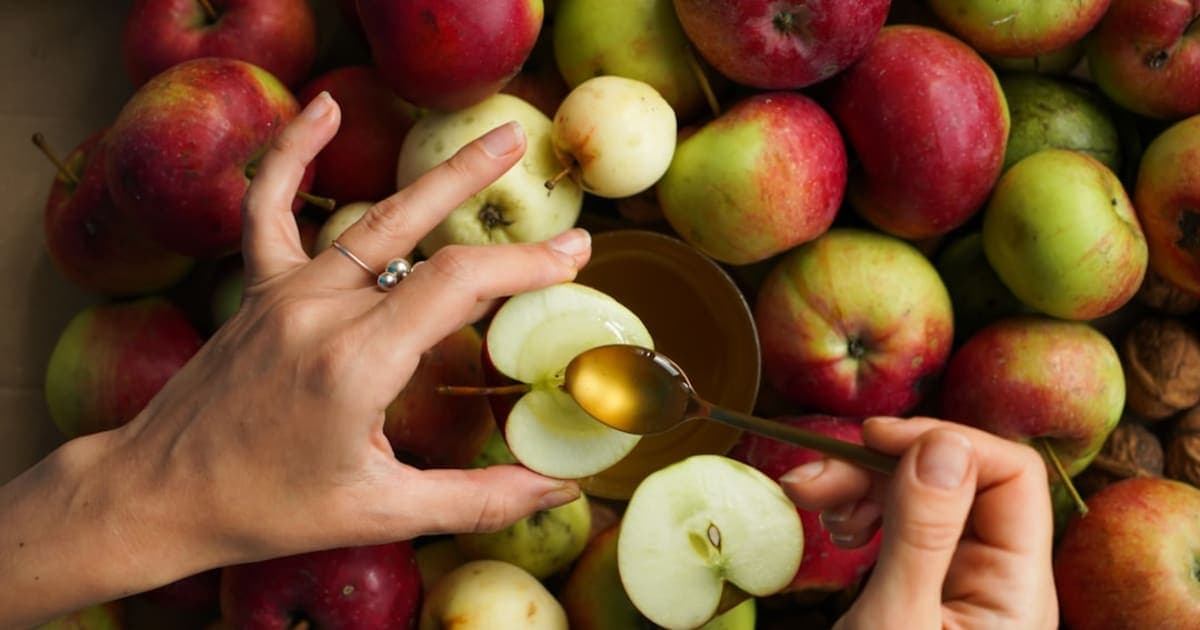
Rosh Hashanah is rich in customs. We eat symbolic foods (simanim) at the evening meal, most famously apple dipped in honey for a sweet new year. We eat round challah (symbolizing the cycle of the year) and pomegranates (for abundant merits). We perform Tashlich at a body of water. We attend synagogue services that feature the special machzor prayers.
The Anniversary of Creation
Rosh Hashanah marks the anniversary of the creation of Adam and Eve, the first humans. It is therefore the birthday of humanity. This adds another layer of meaning: on Rosh Hashanah, we celebrate not only the new year but the gift of human existence itself, our ability to think, choose, love, create, and connect with the divine.
Two Days
Rosh Hashanah is observed for two days, both in Israel and in the diaspora. The two days are considered one long holy day. The restrictions of Yom Tov apply (similar to Shabbat, with exceptions for cooking). See our complete celebration guide for practical details on meals, services, and customs.
For more on the High Holidays, see our guides to celebrating Rosh Hashanah, Elul, and the Jewish holiday cycle.