Using a Hot Water Urn on Shabbat
Can You Make a Cup of Tea on Shabbat?
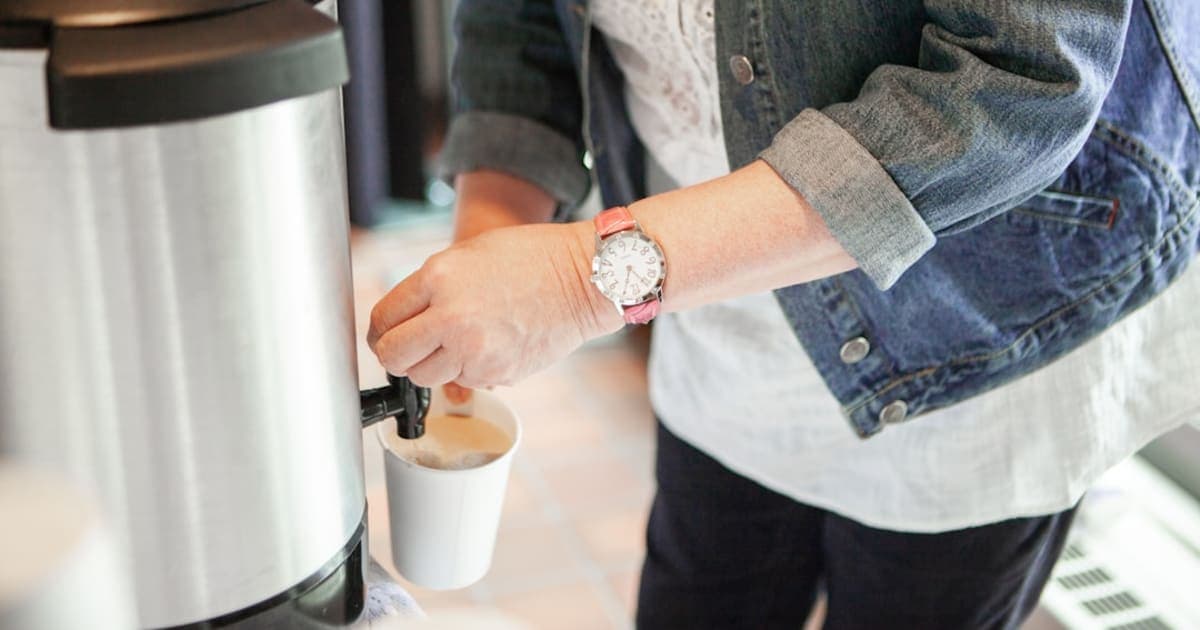
It is a cold Shabbat morning. You have just come back from synagogue, the house smells amazing, and all you want before sitting down to the meal is a warm cup of tea. The hot water urn has been running since before Shabbat, full of perfectly heated water. Can you just pour some into a cup with a tea bag and enjoy?
Not so fast. The simple act of making tea on Shabbat involves some of the most fascinating and practical areas of Shabbat law, touching on the prohibition of cooking, the concepts of kli rishon and kli sheni (first vessel and second vessel), and questions about what types of foods can be "cooked" by hot water. Understanding these rules will not only help you make a proper cup of tea on Shabbat but will also give you insight into how Shabbat law approaches everyday activities with remarkable precision and thoughtfulness.
The Prohibition of Cooking on Shabbat
Cooking (bishul) is one of the 39 categories of melacha (creative work) prohibited on Shabbat. In halachic terms, "cooking" means using heat to change the state or nature of a food or substance. This includes not only putting a pot on a flame but any action that causes an uncooked food to become cooked through the application of heat.
This is where the hot water urn comes in. The water in the urn was heated before Shabbat, which is perfectly fine. The question is: when you pour that hot water over something (like a tea bag, instant coffee, or soup mix), are you cooking that substance on Shabbat?
The answer depends on several factors: the temperature of the water, the vessel it is in, and the nature of the food you are adding the water to.
Kli Rishon vs. Kli Sheni: The Vessel Matters
One of the most important concepts in Shabbat cooking law is the distinction between a kli rishon (first vessel) and a kli sheni (second vessel).
Kli Rishon (First Vessel)
A kli rishon is a vessel that was directly heated on a heat source. In the context of Shabbat, the hot water urn itself is a kli rishon. It is the original container where the water was heated. Water in a kli rishon retains its full cooking power. Placing an uncooked food item directly into a kli rishon (or pouring from a kli rishon directly onto an uncooked food) is considered cooking and is prohibited on Shabbat.
Kli Sheni (Second Vessel)
A kli sheni is a vessel that was NOT directly on a heat source but received hot liquid poured into it from a kli rishon. For example, when you pour water from your urn into a cup, that cup becomes a kli sheni. The halacha considers the water in a kli sheni to be significantly less powerful in its ability to cook. While the water may still be very hot, the walls of the second vessel absorb some of the heat, and the water loses some of its cooking capacity.
This distinction has enormous practical implications for how we make hot drinks and prepare food on Shabbat.
Kli Shlishi (Third Vessel)
If you pour the hot water from the cup (kli sheni) into yet another cup, that third cup is a kli shlishi. The water in a kli shlishi is considered even less capable of cooking. Many authorities rely on a kli shlishi for items that are borderline in the kli sheni discussion.
Making Tea on Shabbat: Step by Step
Now let us apply these principles to the practical question of making tea:
The Problem with Tea Bags
Tea leaves (even in a tea bag) are considered an uncooked food. When you place a tea bag in hot water, the water extracts color, flavor, and essence from the leaves, which constitutes cooking. This means:
- Putting a tea bag directly into the urn (kli rishon): Absolutely prohibited.
- Pouring from the urn onto a tea bag in a cup: This is also problematic. Pouring from a kli rishon onto an uncooked item is called irui kli rishon (pouring from a first vessel) and is considered capable of cooking at least the surface of the food.
- Putting a tea bag into a cup of hot water (kli sheni): This is the subject of significant debate. Many authorities prohibit it because tea leaves are considered easily cooked (kalei bishul), items that can be "cooked" even by the reduced heat of a kli sheni.
The Solution: Tea Essence (Liquid Concentrate)
The most widely accepted solution for enjoying tea on Shabbat is to prepare a tea essence (tea concentrate) before Shabbat. Here is how:
- Before Shabbat: Brew a strong batch of tea (using tea bags or loose leaves in a regular kettle or pot). Make it much stronger than you would normally drink.
- Store the concentrate: Pour the concentrate into a container and set it aside for Shabbat.
- On Shabbat: Pour some tea essence into a cup, then add hot water from the urn (into a kli sheni, i.e., pour the urn water into the cup first, then add the tea essence). Since the tea essence is already fully cooked, adding hot water to it is not considered cooking. You are simply diluting and warming something that is already cooked.
This method is accepted by virtually all authorities and produces a delicious cup of tea.
Making Coffee on Shabbat
Instant Coffee
Instant coffee is generally considered to be a pre-cooked product (it was already processed with heat during manufacturing). For this reason, most authorities permit dissolving instant coffee in a kli sheni (a cup into which hot water from the urn has been poured). This is the standard method for making coffee on Shabbat.
Step by step:
- Pour hot water from the urn into a cup (making it a kli sheni)
- Add instant coffee to the cup
- Add sugar and milk as desired
- Stir and enjoy
Ground Coffee
Ground coffee that has not been pre-brewed is an uncooked food and cannot be placed in hot water on Shabbat. This means French press, pour-over, drip coffee, and espresso are all out during Shabbat. If you want brewed coffee, you need to prepare it before Shabbat and keep it warm (or reheat it using permitted methods).
Hot Chocolate, Soup Mixes, and Other Hot Drinks
Hot Chocolate Mix
Most hot chocolate mixes contain cocoa powder, which is a subject of debate: is it pre-cooked (during processing) or not? Many authorities permit dissolving hot chocolate mix in a kli sheni, but some recommend using a kli shlishi to be safe. Check with your rabbi for your community's practice.
Instant Soup Mixes
Instant soup mixes that dissolve in hot water are generally treated similarly to instant coffee: they are pre-processed products that can be added to a kli sheni. However, some mixes contain dehydrated vegetables or noodles that may not be considered fully pre-cooked, so check the ingredients and consult a rabbi if unsure.
The Hot Water Urn: Choosing and Using
What to Look for in a Shabbat Urn
- No Shabbat-mode needed: A simple electric urn that keeps water hot is all you need. Unlike ovens and refrigerators, basic urns do not typically have halachic complications.
- Manual operation: Avoid urns with electronic displays that change when you dispense water, as this could involve prohibited electrical activity.
- No refill required: Choose an urn large enough to hold all the hot water your family will need for the entire Shabbat. A typical family might need 5-10 liters.
- Drip tray: An urn with a drip tray is useful for catching spills without creating a mess.
Can You Refill the Urn on Shabbat?
Adding cold water to a hot urn on Shabbat raises serious halachic concerns. The cold water will be heated by the urn's element, which constitutes cooking. Even if the element is thermostatically controlled (i.e., it is currently off), adding cold water could cause the thermostat to turn the element back on, which involves the additional issue of causing an electrical device to activate on Shabbat.
Bottom line: Do not refill the urn on Shabbat. Fill it completely before Shabbat begins. If you run out of hot water, you are out of luck until after Havdalah.
Adding Milk to Hot Drinks
Adding cold milk to a hot drink on Shabbat also requires care:
- In a kli sheni: Adding cold milk to a cup of hot water (kli sheni) is generally permitted by most authorities, since the kli sheni does not have sufficient cooking power to "cook" the milk in a meaningful way.
- Pasteurized milk: Since pasteurized milk has already been heated during processing, it may be considered "pre-cooked," which further reduces any concern.
- Best practice: Pour the hot water into a cup first (kli sheni), then add the coffee or tea essence, then add the milk. This sequence ensures maximum halachic comfort.
Stirring Hot Drinks on Shabbat
You can stir a drink in a kli sheni. Stirring does not create any additional cooking concern beyond what exists in the cup. Use a regular spoon. Some people have a custom not to stir in a kli rishon, but since you should never be adding ingredients to the urn directly, this is rarely relevant.
Practical Summary: Your Shabbat Hot Drinks Checklist
- Before Shabbat: Fill the urn, plug it in, and let the water heat. Brew a strong tea essence if you want tea. Make sure you have instant coffee on hand.
- For tea: Pour hot water from urn into a cup (kli sheni), then add pre-made tea essence. Add sugar and milk as desired.
- For coffee: Pour hot water from urn into a cup (kli sheni), then add instant coffee. Add sugar and milk as desired.
- Do not: Put tea bags in hot water. Pour hot water directly onto uncooked items from the urn. Refill the urn during Shabbat. Use a French press or other brewing method.
The Beauty of Shabbat's Details
To someone new to Shabbat observance, the idea that making a cup of tea requires this much thought might seem excessive. But there is something genuinely beautiful about bringing mindfulness to even the most mundane activities. On Shabbat, nothing is automatic or thoughtless. Every action is considered, every cup of tea is intentional, and even the act of making a hot drink becomes an opportunity to engage with an ancient tradition of wisdom and care.
The art of cooking for Shabbat includes not just the elaborate dishes prepared before the day begins but also the small, careful acts of preparing food and drink during Shabbat itself. When you pour water from an urn into a cup, add tea essence that you lovingly prepared on Friday, and sit down to enjoy it at the Shabbat table, you are participating in a tradition that has sustained and enriched Jewish life for generations. Enjoy your tea.