Simchat Torah: Understanding the Hakafot
Simchat Torah: Understanding the Hakafot
Why do we circle the synagogue seven times with Torah scrolls? The hakafot (circuits) of Simchat Torah are the defining feature of the holiday, transforming the synagogue into a whirlwind of song, dance, and celebration. Understanding the structure and meaning of the hakafot deepens the experience from a fun party into a profoundly spiritual event.
What Are Hakafot?
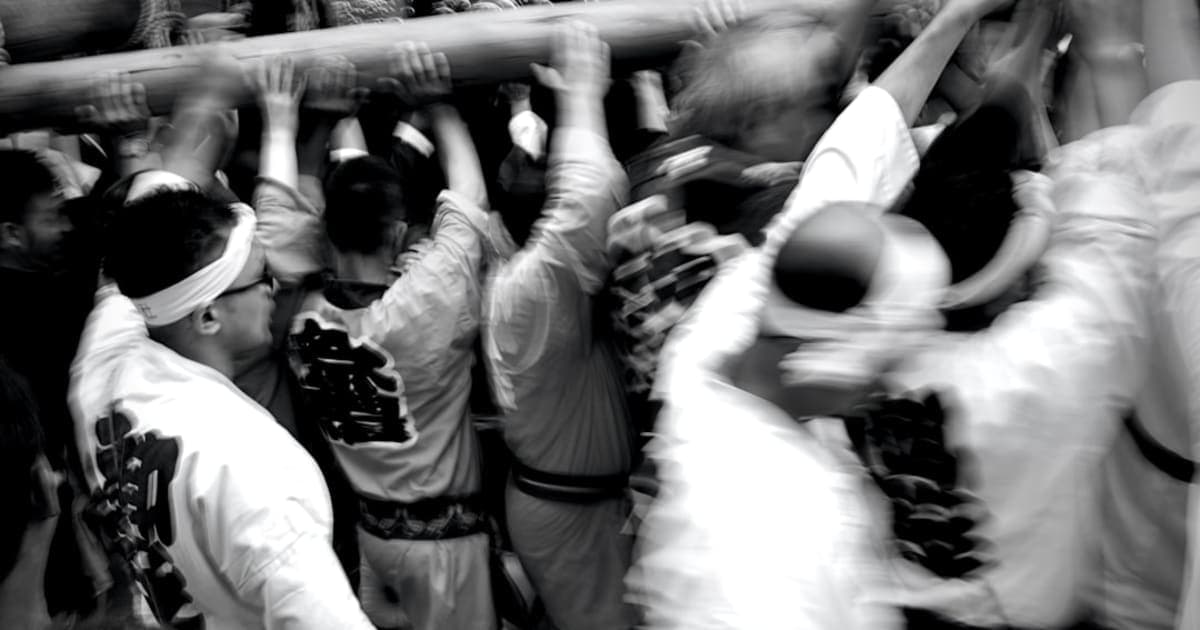
Hakafot (singular: hakafah) means circuits or processions. On Simchat Torah, all the Torah scrolls are removed from the ark, and the congregation makes seven circuits around the bimah (Torah reading platform), carrying the scrolls and dancing with them. Between each circuit, special verses and prayers are recited. The hakafot take place on the evening of Simchat Torah and again during the morning service.
The Seven Circuits
The number seven is deeply significant in Judaism. Seven days of creation, seven days of the week, the seventh year (shmita), and many other sevens pervade Jewish life. The seven hakafot correspond to the seven divine attributes (sefirot) through which God interacts with the world: chesed (lovingkindness), gevurah (strength), tiferet (beauty), netzach (endurance), hod (splendor), yesod (foundation), and malchut (sovereignty).
Each hakafah is introduced by a short prayer that invokes one of these attributes. For example, the first hakafah begins with a prayer invoking God's chesed. As the congregants dance with the Torah, they are connecting to that particular quality of divine energy. Over the course of seven circuits, the full spectrum of God's relationship with the world is activated through joy and celebration.
The Structure
The typical sequence for each hakafah is as follows. The prayer leader recites the introductory verse. The congregation responds with a chorus (often Ana Hashem Hoshia Na, Please, God, save us). The Torah scrolls are lifted, and the circuit begins. The congregation sings, dances, and circles the bimah. After completing the circuit, a brief pause allows for the transition to the next hakafah.
The first few hakafot tend to be somewhat orderly, with the congregation walking and singing. As the evening progresses, the energy builds. By the fifth, sixth, and seventh hakafot, the dancing is often vigorous, enthusiastic, and spontaneous. In many communities, the seventh and final hakafah extends for a long time, with the singing and dancing reaching a peak of intensity.
How Different Communities Celebrate
Ashkenazic communities typically hold hakafot on the evening of Simchat Torah and during the morning service. The evening hakafot are usually the more lively and extended ones, sometimes lasting two to three hours or more.
Sephardic communities have their own melodies and customs for the hakafot. Some Sephardic communities recite additional poems (piyutim) between the circuits. The specific songs and rhythms vary widely between Moroccan, Iraqi, Yemenite, Syrian, and other traditions, making each community's celebration unique.
In Israel, where Simchat Torah and Shemini Atzeret fall on the same day, hakafot are held on the evening and morning of the 22nd of Tishrei. A unique Israeli custom is hakafot shniyot (second hakafot), held on the evening after Simchat Torah ends, giving those who were in synagogue all day a chance to celebrate in a more relaxed setting, often with live music.
The Spiritual Meaning
The hakafot mirror other circular processions in Jewish tradition. On Hoshanah Rabbah, seven circuits are made with the four species. A bride circles the groom seven times under the chuppah. In the Temple, the altar was circled seven times on certain occasions. In each case, the circling creates a sacred space, drawing down divine blessing and creating a boundary of holiness.
On Simchat Torah, the circling with Torah scrolls creates a field of joy and connection that envelops everyone present. The circle itself is a powerful symbol: it has no beginning and no end, no hierarchy and no direction. In the circle of the hakafot, everyone is equal. The Torah belongs to all of us equally, and the joy of Torah is available to everyone.
There is also a mystical teaching that the dancing and joy of Simchat Torah accomplishes what even the intense prayers and fasting of Yom Kippur cannot. The joy of Torah reaches the highest spiritual realms, opening channels of blessing that are inaccessible through any other means.
For more on the holiday, see our guides to dancing with the Torah, reading the Torah cycle, and Shemini Atzeret.