Dancing with the Torah

Dancing with the Torah on Simchat Torah
When was the last time you danced with pure, uninhibited joy? On Simchat Torah, Jewish communities around the world do exactly that, holding the Torah scrolls close and dancing for hours in celebration of completing the annual cycle of Torah reading. It is one of the most exuberant, egalitarian, and deeply moving experiences in all of Jewish life.
What Is Simchat Torah?
Simchat Torah (Rejoicing with the Torah) is the holiday that immediately follows Sukkot and Shemini Atzeret. In Israel, Simchat Torah and Shemini Atzeret are observed on the same day (22nd of Tishrei). Outside of Israel, Simchat Torah falls on the 23rd of Tishrei, the day after Shemini Atzeret. On this day, we complete the reading of Deuteronomy and immediately begin Genesis, demonstrating that Torah study never ends; it is an eternal cycle.
The Dancing (Hakafot)
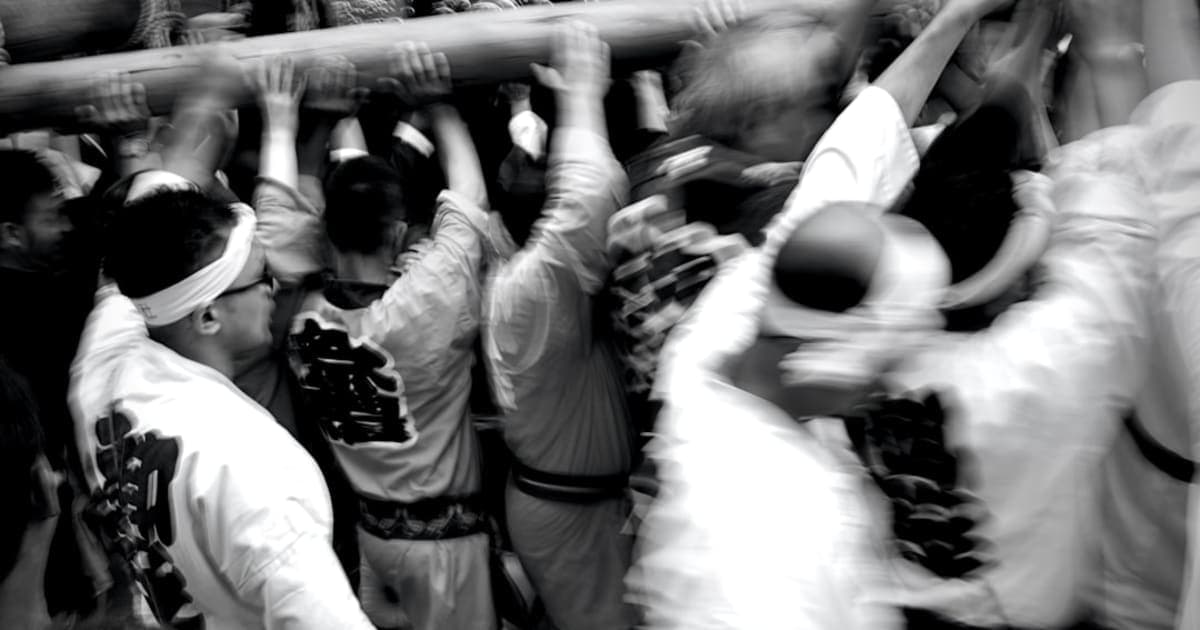
The heart of Simchat Torah is the hakafot, seven circuits around the bimah (Torah reading platform) with the Torah scrolls. All the Torah scrolls are removed from the ark, and members of the congregation take turns carrying them as the community dances, sings, and celebrates.
The dancing is deliberately simple. There are no choreographed routines, no performance aspects, and no skill required. The whole point is that everyone can participate. Children, adults, elderly, young, knowledgeable and beginner alike all dance together. The Torah scroll is a great equalizer: when you are dancing with the Torah, no one asks how much you know or what your level of observance is. You are simply a Jew celebrating your heritage.
Who Participates?
Everyone. One of the most beautiful aspects of Simchat Torah is its radical inclusivity. The Talmud teaches that the Torah scroll itself dances, meaning that even someone who is holding the scroll and not actively dancing is participating in the celebration. Children dance on their parents' shoulders. Elderly congregants who cannot stand for long are given seats of honor near the dancing.
In many communities, even those who rarely attend synagogue come for Simchat Torah. There is something about the pure joy and energy of the dancing that draws people in, regardless of their usual level of religious involvement. This is itself a powerful lesson: the Torah belongs to every Jew, and every Jew belongs in the circle of celebration.
The Songs
Simchat Torah songs are among the most spirited in the Jewish repertoire. Many are simple, repetitive melodies that anyone can join. Common songs include Am Yisrael Chai (the nation of Israel lives), Sisu VeSimchu BeSimmchat Torah (rejoice and be glad in the joy of Torah), and various niggunim (wordless melodies) that build in energy and intensity.
Practical Tips for Newcomers
If you have never experienced Simchat Torah, here is what to expect. The hakafot begin on the evening of Simchat Torah and can last one to three hours or more. Come prepared to stand, clap, and dance (comfortable shoes are essential). Do not worry if you do not know the songs; the melodies are easy to pick up. If offered a Torah scroll to carry, accept it (it is an honor), hold it close to your chest with both arms, and dance. If you are not comfortable carrying a scroll, dance nearby and clap.
The atmosphere is warm, welcoming, and joyful. Candy is often thrown to children, flags are waved, and the energy in the room is unlike anything else in Jewish life. Let yourself be swept up in it.
The Deeper Meaning
Why do we dance specifically with the Torah? Because the relationship between the Jewish people and the Torah is not just intellectual; it is deeply personal and emotional. We do not merely study the Torah; we love it. The dancing expresses a love that goes beyond understanding, a joy that comes from being connected to something infinite and eternal.
There is also a teaching that the feet (used in dancing) represent the aspect of Jewish identity that is the most basic and instinctive. You do not need to understand Talmudic logic to dance with the Torah. You just need to feel the connection. Simchat Torah celebrates the truth that every Jew, regardless of knowledge or observance, has an innate, unbreakable bond with the Torah.
For more on the holidays, see our guides to understanding the hakafot, reading the Torah cycle, and the Jewish holiday cycle.