Shofar Sounds: Tekiah
Shofar Sounds: Tekiah, Shevarim, and Teruah
Have you ever wondered why the shofar makes different sounds, and what each one means? The shofar blasts on Rosh Hashanah are not random. They follow a precise pattern established by the Sages, and each sound carries layers of spiritual meaning that speak to the heart of the High Holiday experience.
The Three Basic Sounds
Tekiah is a single, long, unbroken blast. It is the foundational sound of the shofar, a clear, confident call. The tekiah is often compared to a royal proclamation, the sound that announces the King's presence. On Rosh Hashanah, the day we crown God as King over the world, the tekiah is the coronation fanfare. It is also understood as a sound of joy and confidence in God's mercy.
Shevarim consists of three medium-length blasts, each with a slight waver or break. The word shevarim comes from the root meaning broken. These broken sounds represent sighing, the deep groans of a heart in distress. They evoke the experience of recognizing our shortcomings and feeling the weight of the past year's missed opportunities. Shevarim is the sound of honest self-reflection.
Teruah is a series of nine or more very short, rapid, staccato blasts. Teruah represents sobbing, the uncontrollable crying that comes from genuine remorse and longing. If shevarim is the sigh, teruah is the cry. It expresses the deepest level of emotional response to standing before God in judgment.
The Pattern of the Blasts
The shofar is blown in sets that always begin and end with a tekiah. The three main sets are: Tekiah-Shevarim-Teruah-Tekiah, Tekiah-Shevarim-Tekiah, and Tekiah-Teruah-Tekiah. Each set is repeated three times, totaling 30 blasts in the basic obligation. Over the course of the Rosh Hashanah service, additional blasts bring the total to at least 100.
The reason for having three different combinations relates to an ancient uncertainty about the exact nature of the Torah's teruah. The Torah commands us to hear a teruah on Rosh Hashanah, but the Sages were uncertain whether this meant what we call shevarim (sighing), what we call teruah (sobbing), or both combined. So we blow all three combinations to fulfill the mitzvah in every possible interpretation.
Tekiah Gedolah: The Great Blast
The final blast of the shofar service is the tekiah gedolah, an extra-long tekiah that the shofar blower sustains as long as possible. This dramatic, extended blast marks the climax of the shofar service. It represents confidence and hope, the assurance that despite our imperfections, God accepts our repentance and grants us life. The tekiah gedolah is also associated with the future redemption, echoing the great shofar blast that tradition says will herald the coming of the Messiah.
The Spiritual Meaning
The progression from tekiah to shevarim to teruah and back to tekiah tells a complete emotional and spiritual story. We begin with confidence (tekiah), move through honest self-assessment (shevarim), experience the depth of our remorse (teruah), and emerge with renewed confidence and hope (tekiah). This mirrors the entire journey of teshuvah (repentance): starting from a place of stability, confronting our failures, feeling genuine regret, and arriving at a place of renewed commitment and optimism.
The Rambam (Maimonides) described the shofar's message as: Wake up, sleepers, from your sleep, and slumberers, arise from your slumber. Examine your deeds, return in repentance, and remember your Creator. The shofar cuts through the noise of daily life and speaks directly to the soul in a language that transcends words.
Who Blows the Shofar?
The person who blows the shofar (the ba'al tokea) is traditionally chosen for both skill and piety. Blowing the shofar is physically demanding, requiring strong breath control and the ability to produce clear, precise sounds from a simple ram's horn. The ba'al tokea stands before the congregation as a representative, channeling the prayers and aspirations of everyone present through the shofar's voice.
Before blowing, the ba'al tokea recites a blessing: Blessed are You, God, King of the universe, who has sanctified us with His commandments and commanded us to hear the sound of the shofar. Note the wording: the mitzvah is to hear the shofar, not to blow it. This means that even if you cannot blow the shofar yourself, you fulfill the commandment by listening attentively to someone else blowing it.
When Is the Shofar Blown?
The shofar is blown during the Musaf (additional) service on both days of Rosh Hashanah, with additional blasts at various points throughout the service. If the first day of Rosh Hashanah falls on Shabbat, the shofar is not blown that day (it is blown on the second day only). Many communities also blow the shofar during the month of Elul leading up to Rosh Hashanah, as a daily wake-up call to begin the process of repentance.
The Ram's Horn
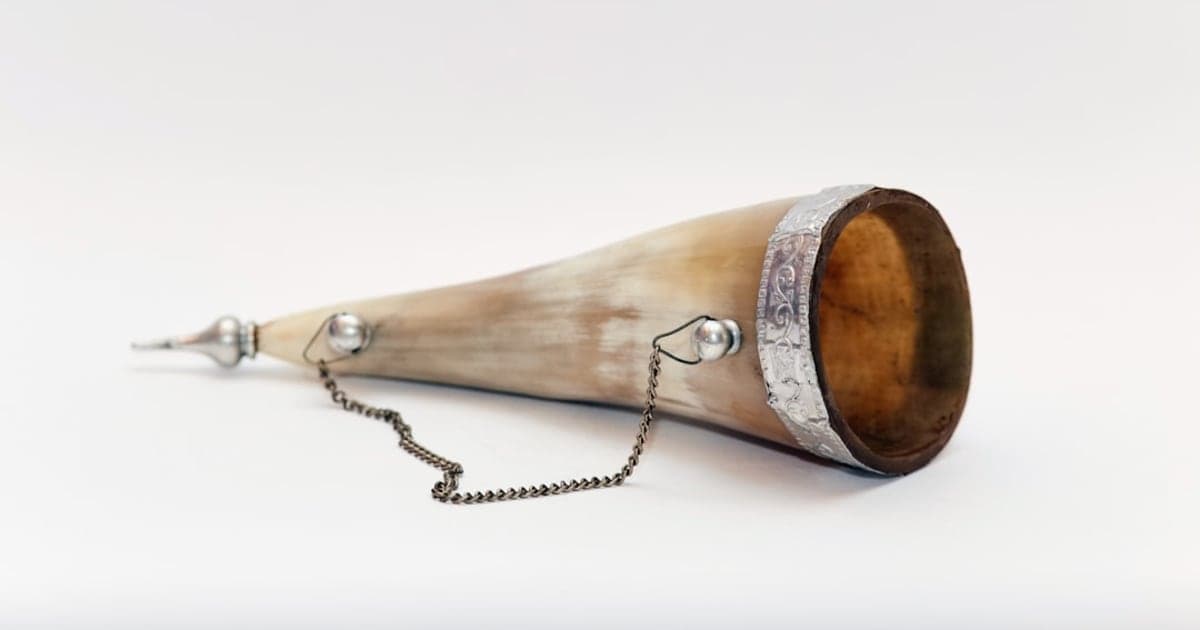
The shofar is traditionally made from a ram's horn, connecting it to the story of the Akeidah (the binding of Isaac), which is read from the Torah on the second day of Rosh Hashanah. When Abraham was about to sacrifice Isaac, God provided a ram caught in a thicket as a substitute. By blowing a ram's horn, we invoke the merit of Abraham's faith and Isaac's willingness, asking God to remember that devotion on our behalf.
The shofar's rawness is part of its power. It is not a polished musical instrument. It is an animal horn with a simple mouthpiece, producing sounds that are more cry than melody. This rawness reflects the authenticity that Rosh Hashanah demands. On this day, we do not hide behind polished exteriors. We stand before God as we truly are, and the shofar speaks for us in the most honest voice possible.
For more on the High Holidays, see our guides to celebrating Rosh Hashanah, symbolic foods, and the Ten Days of Repentance.