Shalom Aleichem: Welcoming Angels
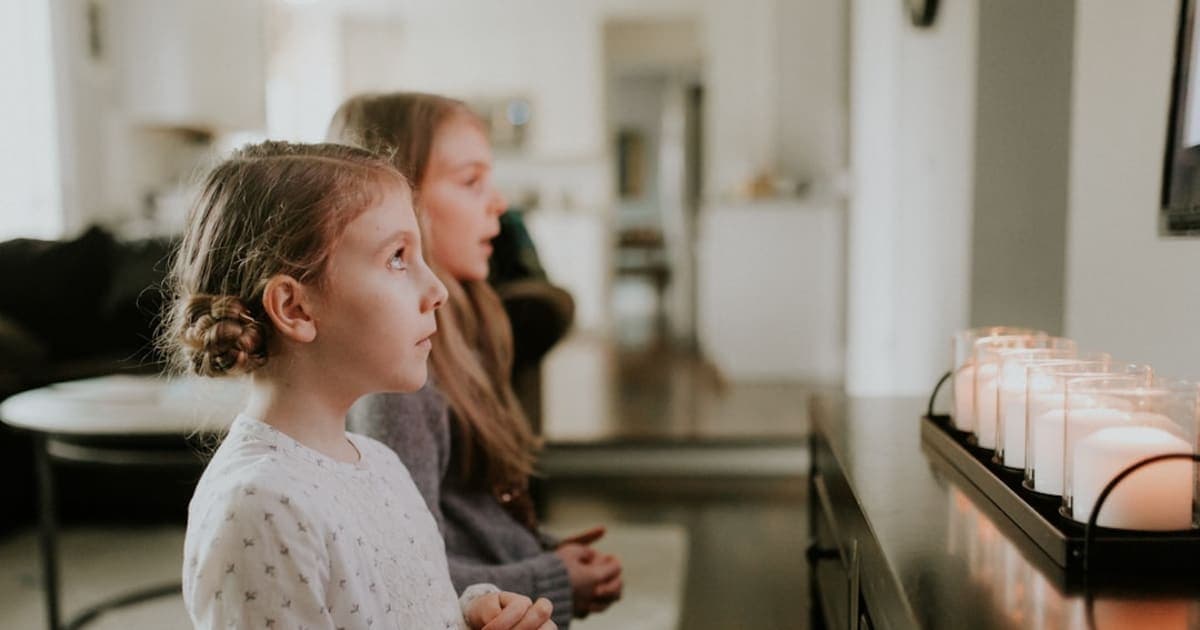
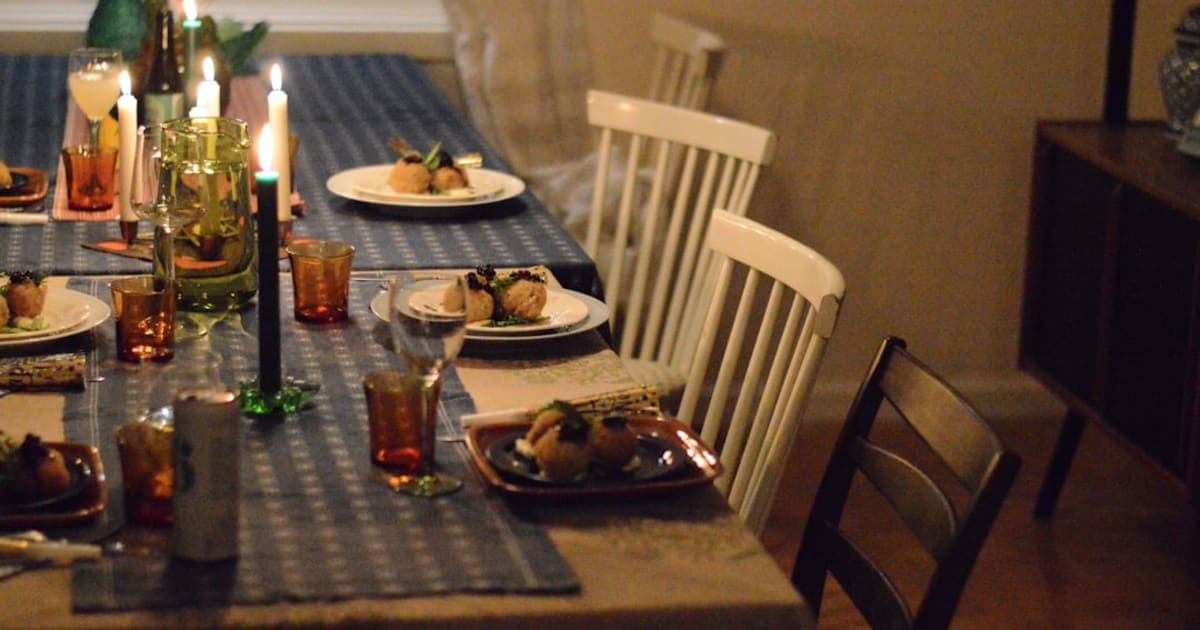
Can you imagine having angels as your Friday night dinner guests? According to a beautiful Jewish teaching, that is exactly what happens every week. As you walk home from synagogue on Friday evening, two angels accompany you. When they arrive and find your home prepared for Shabbat — candles lit, table set, the aroma of delicious food filling the air — the good angel says, "May it be this way next Shabbat as well," and the other angel must answer "Amen." The song Shalom Aleichem is your greeting to these heavenly visitors.
What Is Shalom Aleichem?
Shalom Aleichem ("Peace Upon You") is a hymn sung at the Shabbat table on Friday night, immediately after returning home from synagogue. It is one of the first things families do together as they settle in for the evening, and it sets a tone of serenity, gratitude, and spiritual awareness for everything that follows.
The song was composed by the Kabbalists of Safed (Tzfat) in the 16th or 17th century, drawing on the Talmudic teaching about the two angels. It quickly spread throughout the Jewish world and is now sung in virtually every Jewish community, from Ashkenazi to Sephardi, traditional to modern.
The Story Behind the Song
The Talmud (Shabbat 119b) teaches that two ministering angels accompany every person home from synagogue on Friday night — one good angel and one not-so-good angel. When they arrive at the home:
- If the Shabbat candles are lit, the table is set, and everything is prepared for Shabbat, the good angel says: "May it be God's will that it should be this way next Shabbat too." The other angel is compelled to answer: "Amen."
- If the home is not prepared for Shabbat, the situation reverses — the other angel says: "May it be this way next Shabbat too," and the good angel must answer: "Amen."
This teaching is not meant to frighten us. It is an encouragement: when we prepare our homes for Shabbat with care and intention, we create a space that even the angels recognize as holy. The song Shalom Aleichem is our way of acknowledging these invisible guests and welcoming the spiritual energy they represent.
The Four Stanzas: What We Are Saying
Shalom Aleichem has four stanzas, each with a different theme. Each stanza is traditionally sung three times, creating a meditative, layered experience.
Stanza 1: Greeting the Angels (Shalom Aleichem)
שָׁלוֹם עֲלֵיכֶם מַלְאֲכֵי הַשָּׁרֵת מַלְאֲכֵי עֶלְיוֹן
מִמֶּלֶךְ מַלְכֵי הַמְּלָכִים הַקָּדוֹשׁ בָּרוּךְ הוּא
Shalom aleichem, mal'achei hasharet, mal'achei Elyon, miMelech malchei hamelachim, HaKadosh Baruch Hu.
"Peace upon you, ministering angels, angels of the Most High, from the King of kings of kings, the Holy One, blessed be He."
We greet the angels and acknowledge their source — they come from God, the ultimate King. This opening sets the spiritual tone: we are not just sitting down to dinner, we are entering sacred time.
Stanza 2: Requesting Their Entry (Bo'achem L'Shalom)
בּוֹאֲכֶם לְשָׁלוֹם מַלְאֲכֵי הַשָּׁלוֹם מַלְאֲכֵי עֶלְיוֹן
מִמֶּלֶךְ מַלְכֵי הַמְּלָכִים הַקָּדוֹשׁ בָּרוּךְ הוּא
Bo'achem l'shalom, mal'achei hashalom, mal'achei Elyon, miMelech malchei hamelachim, HaKadosh Baruch Hu.
"Come in peace, angels of peace, angels of the Most High, from the King of kings of kings, the Holy One, blessed be He."
We invite the angels to enter our home. Notice the shift: in the first stanza they are "ministering angels" (mal'achei hasharet), and now they are "angels of peace" (mal'achei hashalom). We are asking them to bring their peaceful presence into our home.
Stanza 3: Asking for Their Blessing (Barchuni L'Shalom)
בָּרְכוּנִי לְשָׁלוֹם מַלְאֲכֵי הַשָּׁלוֹם מַלְאֲכֵי עֶלְיוֹן
מִמֶּלֶךְ מַלְכֵי הַמְּלָכִים הַקָּדוֹשׁ בָּרוּךְ הוּא
Barchuni l'shalom, mal'achei hashalom, mal'achei Elyon, miMelech malchei hamelachim, HaKadosh Baruch Hu.
"Bless me with peace, angels of peace, angels of the Most High, from the King of kings of kings, the Holy One, blessed be He."
This is the heart of the song — the request. We ask the angels to bless us. The blessing we seek is not for wealth or success, but for shalom — peace. Peace in our homes, peace in our families, peace in our hearts.
Stanza 4: Bidding Farewell (Tzeit'chem L'Shalom)
צֵאתְכֶם לְשָׁלוֹם מַלְאֲכֵי הַשָּׁלוֹם מַלְאֲכֵי עֶלְיוֹן
מִמֶּלֶךְ מַלְכֵי הַמְּלָכִים הַקָּדוֹשׁ בָּרוּךְ הוּא
Tzeit'chem l'shalom, mal'achei hashalom, mal'achei Elyon, miMelech malchei hamelachim, HaKadosh Baruch Hu.
"Go in peace, angels of peace, angels of the Most High, from the King of kings of kings, the Holy One, blessed be He."
We bid the angels farewell. They have come, they have blessed us, and now they depart. Some commentators note the beautiful symmetry: the angels arrive in peace, bless us with peace, and leave in peace. The entire encounter is wrapped in shalom.
The Melodies of Shalom Aleichem
There is no single melody for Shalom Aleichem — there are dozens, perhaps hundreds. Every community, and often every family, has its own tune. Some melodies are slow and contemplative, perfect for a quiet family Shabbat. Others are lively and joyful, with everyone singing and clapping together.
Some of the most popular melodies include the classic Ashkenazi tune that most people think of when they hear "Shalom Aleichem," as well as more recent compositions by modern Jewish musicians. Part of the beauty of this song is that you can choose a melody that matches the mood you want to create at your table.
When Is Shalom Aleichem Sung?
Shalom Aleichem is sung at the very beginning of the Friday night table rituals. The typical order is:
- Shalom Aleichem — Welcoming the angels
- Eshet Chayil — Honoring the woman of the home
- Blessing the children — Parents bless each child
- Kiddush — Sanctifying the day over wine
- Hand-washing and HaMotzi — Blessing over challah
This sequence creates a beautiful progression from the spiritual (welcoming angels) to the personal (blessing family) to the physical (sanctifying and eating the meal). Each step builds on the last, gradually drawing the family deeper into the Shabbat experience.
Do the Angels Really Visit?
Whether you understand the angels literally or metaphorically, the teaching carries powerful meaning. At the very least, the idea of angelic visitors reminds us that Shabbat is not ordinary time. When we prepare our homes and set our tables, we are creating a space worthy of the sacred. The "angels" can be understood as the spiritual energy of Shabbat itself — the extra soul (neshamah yeterah) that enters each person as the holy day begins.
The Kabbalistic tradition takes the angels quite seriously, understanding them as real spiritual beings who respond to the holiness we create in our homes. Either way, the message is clear: how we prepare for Shabbat matters. The effort we put into getting ready — cleaning, cooking, setting the table, putting on nice clothes — is not just practical. It is an act of spiritual creation.
Making Shalom Aleichem Your Own
If you are new to this tradition, here are some ways to incorporate it into your Friday night:
- Learn one melody — You do not need to know all the tunes. Find one version you love (many recordings are available online) and make it yours.
- Print the words — Having the Hebrew, transliteration, and translation at the table makes it easy for everyone to join in.
- Sing together — Even if your singing is imperfect, the shared experience of singing together is what creates the Shabbat atmosphere.
- Take a moment — After finishing the song, pause for a breath. Feel the shift. Shabbat has begun, the angels have been welcomed, and the rest of the evening stretches out before you like a gift.
Shalom Aleichem is more than a song — it is a declaration that your home is a place of peace, that your family is surrounded by blessing, and that the ordinary week has ended. As you sing these ancient words, you join millions of Jewish families around the world who are doing the same thing at the same moment — welcoming Shabbat, welcoming peace, welcoming the angels.