Shabbat Meals: Structure and Meaning
What if the most meaningful moments of your week happened not at work or on social media, but at the dinner table? For Jewish families, Shabbat meals are the centerpiece of the week -- planned for, prepared with love, and savored slowly. Three meals, spread across 25 hours, each with its own rituals and spiritual energy.
The Three Meals of Shabbat
Jewish law requires three festive meals during Shabbat. When the manna fell in the desert, Moses told the people: "Eat it today, for today is Shabbat." The word "today" appears three times, and from this, the Sages derived the obligation of three meals.
- Friday night dinner -- The most festive and well-known meal
- Shabbat day lunch -- Served after morning synagogue services
- Seudah Shlishit -- The third meal, eaten in the late afternoon
Many communities also observe a fourth meal after Shabbat called Melave Malka, which bids farewell to the departing Shabbat.
Friday Night Dinner: The Crown Jewel
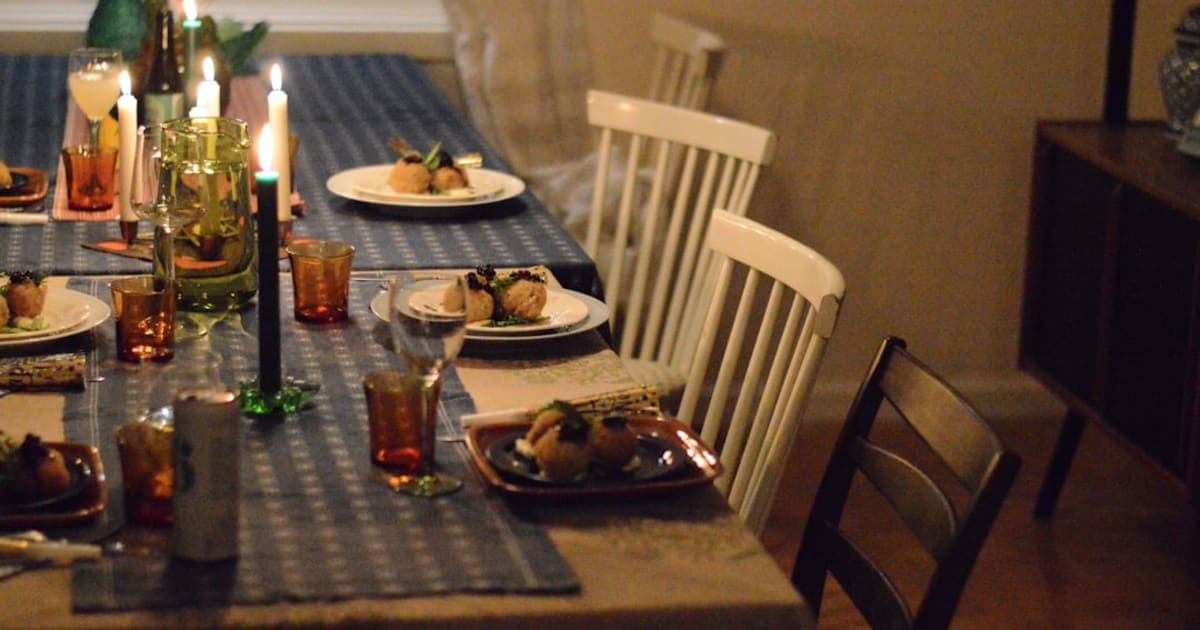
The Friday night meal is the most elaborate of the three. The table glows with candlelight, the house smells wonderful, and the family is together without distractions.
The Order of the Friday Night Meal
- Shalom Aleichem -- Singing to welcome the ministering angels.
- Eshet Chayil -- The "Woman of Valor" passage, sung in honor of the wife.
- Blessing the children -- Parents place their hands on each child's head and bless them.
- Kiddush -- Sanctification over wine or grape juice.
- Netilat yadayim -- Ritual hand-washing before bread.
- HaMotzi over challah -- Blessing over two loaves, dipping in salt, and sharing bread.
What Is Served?
While there is no required menu, beloved traditions include gefilte fish or spiced fish as a starter, chicken soup, roast chicken as a main course, kugel and salads as sides, and cake for dessert. For ideas, see our guides to classic Shabbat foods and how to cook for Shabbat.
Songs and Torah at the Table
Between courses, families sing zemirot -- traditional table songs that speak of Shabbat's beauty. A short Torah thought from the weekly portion is also customary. After the meal, Birkat Hamazon (Grace After Meals) is recited with a special Shabbat addition.
Shabbat Day Lunch
The second meal takes place after Saturday morning synagogue services. It begins with a shorter Kiddush called Kiddusha Rabba, followed by hand-washing and HaMotzi.
Cholent: The Quintessential Shabbat Dish
Since cooking is not permitted on Shabbat, Jews developed cholent (called chamin in Sephardi communities) -- a slow-cooked stew placed on the stove before Shabbat and left to cook overnight. A traditional Ashkenazi cholent includes meat, potatoes, beans, barley, and onions. Sephardi versions might include rice, eggs, chickpeas, and different spices. There are as many cholent recipes as there are Jewish families.
The Shabbat day meal tends to be slightly more relaxed than Friday night. The family has prayed, heard the Torah reading, and now settles into warmth and leisurely conversation.
Seudah Shlishit: The Third Meal
The third meal is eaten in the late afternoon as Shabbat draws to a close. It has a contemplative, bittersweet atmosphere -- the peace of Shabbat is about to end.
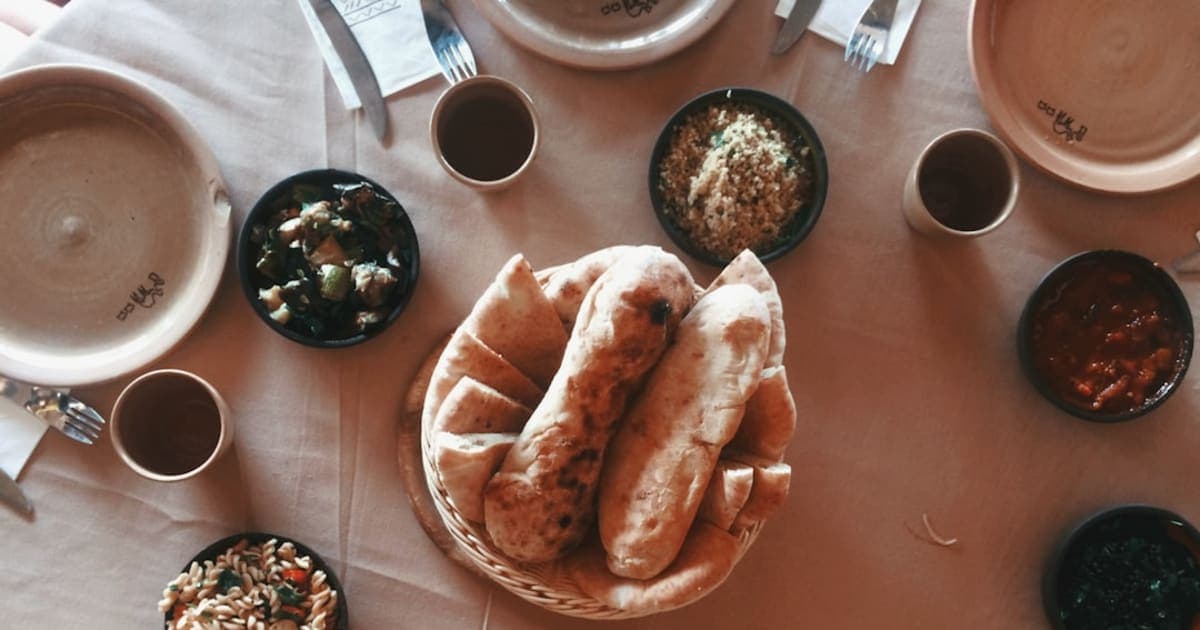
- Simpler food -- Challah, dips, salads, fish, and pastries are common.
- Soulful singing -- The melodies are slower and more meditative.
- Communal setting -- Many synagogues host Seudah Shlishit with a Torah talk.
Jewish mystical tradition teaches that the third meal corresponds to a uniquely elevated spiritual state, when the boundaries between physical and spiritual worlds are especially thin.
The Spiritual Arc of the Three Meals
The Kabbalistic tradition assigns deep significance to each meal. Friday night corresponds to the Shechinah (welcoming and intimacy). Shabbat day corresponds to revealed blessing and joy. Seudah Shlishit corresponds to the most hidden and transcendent level of divinity. Whether or not you connect with Kabbalah, the natural progression from festive celebration to quiet contemplation creates a beautiful emotional arc.
Making Your Shabbat Meals Special
- Plan ahead -- Preparing for Shabbat during the week makes Friday less stressful.
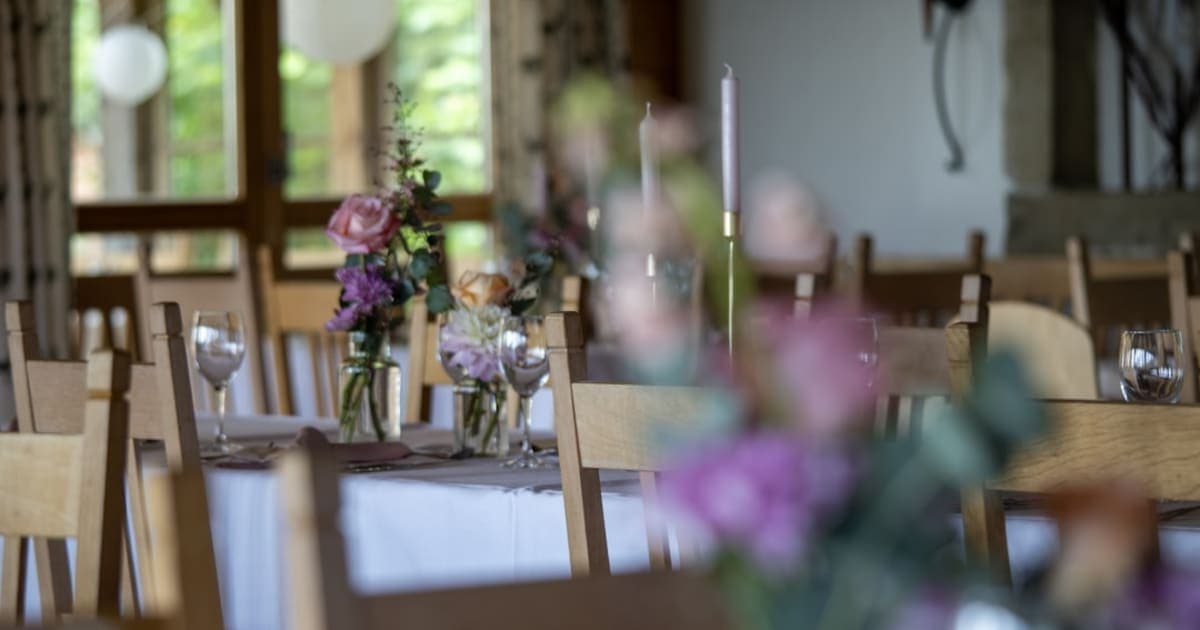
- Set the table beautifully -- A white tablecloth, candlesticks, and a challah board make the meal feel special.
- Put away devices -- The single most impactful change. The difference in conversation is remarkable.
- Invite guests -- Hosting Shabbat guests enriches the meal for everyone.
- Sing together -- Even one song creates togetherness that talking alone cannot achieve.
- Share Torah -- A short thought sparks meaningful conversation.
After the Last Meal: Havdalah
When Shabbat ends Saturday night, the Havdalah ceremony marks the transition back to the ordinary week with a braided candle, fragrant spices, and wine.
Jewish tradition teaches that every person's table serves as their altar. The food, blessings, songs, words of Torah, and love shared at the table combine to create something genuinely holy. The Shabbat meals are where Jewish families are built, traditions are passed down, and children absorb the rhythms of Jewish life. Week after week, the Shabbat table is where it all comes together.
If you are new to Shabbat, starting with one special meal -- even just Friday night dinner -- is a wonderful first step. Light candles, say Kiddush, break challah, and see what happens when you give yourself permission to slow down and be present with the people who matter most.