Rosh Hashanah Simanim: Symbolic Foods Guide
Rosh Hashanah Simanim: Symbolic Foods Guide
Why do we eat specific foods on Rosh Hashanah night, and what do they mean? The custom of eating simanim (symbolic foods) is one of the most beloved and accessible Rosh Hashanah traditions. Each food is accompanied by a short prayer expressing our hopes for the new year, turning the dinner table into a place of spiritual intention and family connection.
The Origin of Simanim
The custom of eating symbolic foods on Rosh Hashanah is mentioned in the Talmud, making it one of the most ancient Rosh Hashanah traditions still practiced today. The Talmud states that on Rosh Hashanah, a person should eat gourds, fenugreek, leeks, beets, and dates. Each of these foods has a name in Hebrew or Aramaic that sounds like a word related to blessing, increase, or the removal of enemies. Over the centuries, additional foods have been added, and different communities have developed their own variations.
The Classic Simanim
Apple Dipped in Honey
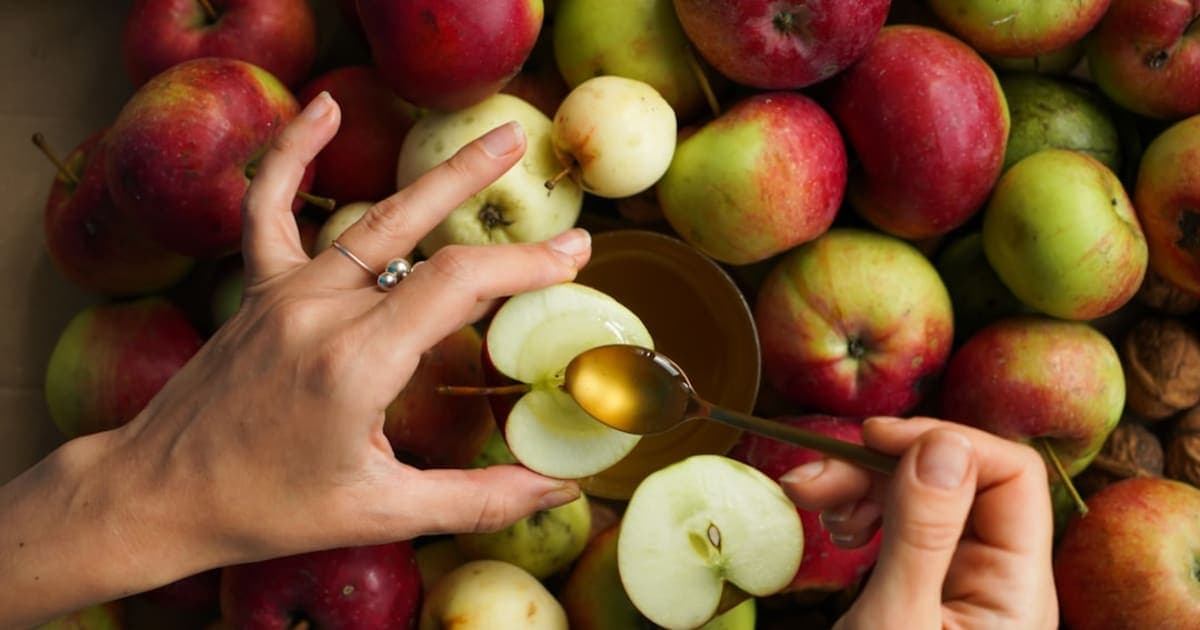
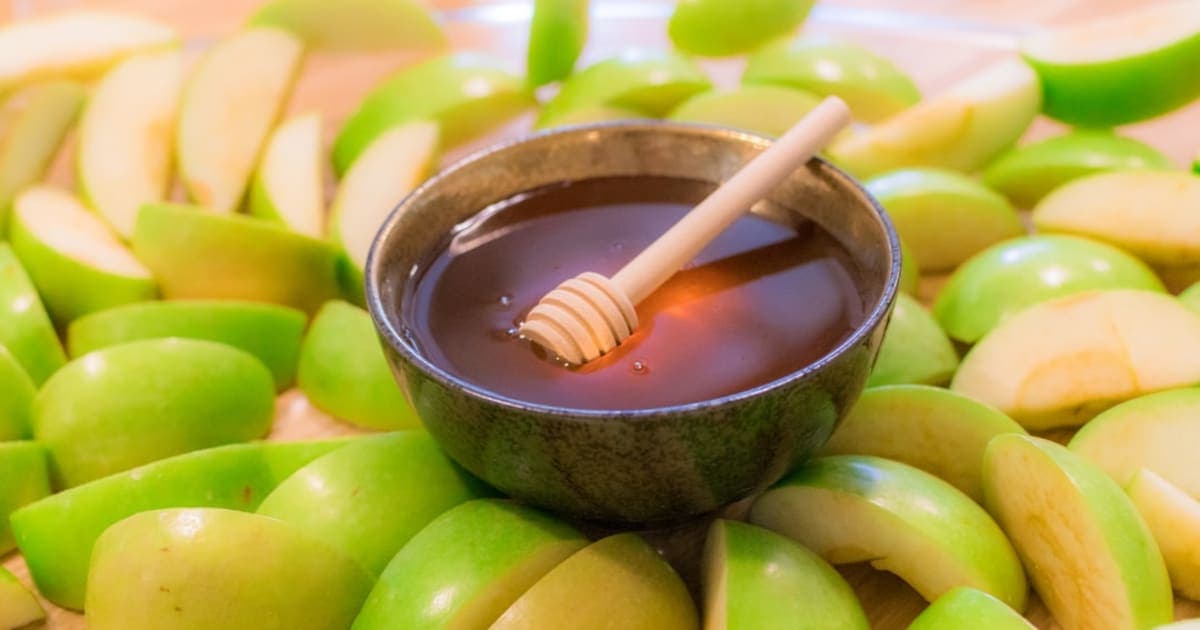
This is the most universal Rosh Hashanah food custom. We dip a slice of apple in honey and recite: May it be Your will, God, to renew for us a good and sweet year. The apple represents the sweetness we hope for, and honey symbolizes abundance and blessing. Some have the custom of using a new variety of apple each year.
Round Challah with Honey
On Rosh Hashanah, the challah is baked in a round shape rather than the usual braided form. The circle symbolizes the cyclical nature of the year and the crown of divine kingship. Many families dip the challah in honey instead of salt (continuing through Sukkot), emphasizing the desire for sweetness in the coming year.
Pomegranate
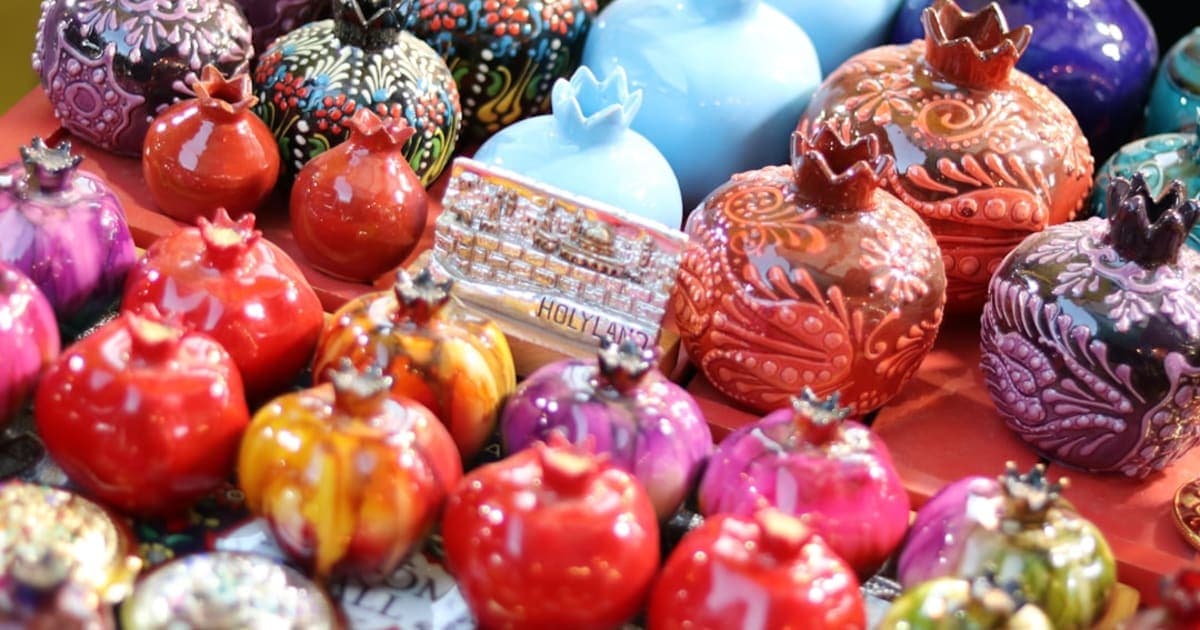
We eat pomegranate seeds with the prayer: May it be Your will that our merits be as plentiful as the seeds of a pomegranate. Tradition holds that a pomegranate contains 613 seeds, corresponding to the 613 commandments of the Torah (though the actual number varies). The pomegranate is also a symbol of beauty and fruitfulness in Jewish tradition.
Dates (Tamar)
The Hebrew word for date, tamar, sounds like the word for end or cease (yitamu). The prayer is: May it be Your will that our enemies and those who wish us harm shall cease. Dates are one of the seven species for which the Land of Israel is praised.
Black-Eyed Peas or Fenugreek (Rubia)
The Aramaic word rubia sounds like yirbu (may they increase). The prayer is: May it be Your will that our merits increase. Sephardic communities often use black-eyed peas, while some Ashkenazic families use string beans or other legumes.
Leek or Scallion (Karti)
Karti sounds like yikartu (may they be cut off). The prayer is: May it be Your will that our enemies be cut off. Some families use scallions, chives, or other members of the allium family.
Beet (Selek)
Selek sounds like yistalku (may they depart). The prayer is: May it be Your will that our adversaries depart. Beets can be served roasted, pickled, or in a salad.
Gourd or Squash (Kra)
Kra sounds like yikaru (may they be read or proclaimed). The prayer is: May it be Your will that the decree of our judgment be torn up, and may our merits be proclaimed before You. Many families use butternut squash or zucchini.
Fish Head (or Lamb Head)
A head (of fish or lamb) is placed on the table with the prayer: May it be Your will that we be like a head and not like a tail. This expresses the desire to be leaders, to take initiative in our lives and in our communities rather than simply following along. Some families use a whole fish as a less dramatic alternative.
Carrots (Gezer)
In Yiddish, carrots are called mehren, which also means to increase or multiply. The prayer asks that our merits and blessings multiply. Carrots are often served as a sweet tzimmes (stew with honey and sometimes sweet potatoes).
How to Do the Simanim
The simanim are typically eaten at the beginning of the Rosh Hashanah evening meal, after kiddush and the blessing over the challah. Each food is held, the short prayer (Yehi Ratzon) is recited, and then the food is eaten. Some families pass each food around the table so everyone can participate. Others prepare individual siman plates for each person.
There is no fixed order, though most families begin with the apple in honey as it is the most well-known. The full text of the Yehi Ratzon prayers for each food can be found in most machzorim and in many Rosh Hashanah dinner guides.
Making It Meaningful
The simanim are more than superstition. They are a tangible way of expressing our deepest hopes and prayers through the most universal human activity: eating. By attaching words of prayer to specific foods, we elevate the act of eating from mere sustenance to spiritual practice.
Many families add their own creative simanim. Some add lettuce, half a raisin, and celery (let us have a raise in salary). Others create visual puns or meaningful food displays. The key is to use the foods as conversation starters, especially with children. Ask each family member what they hope for in the new year. Use the simanim as a springboard for discussing values, goals, and gratitude.
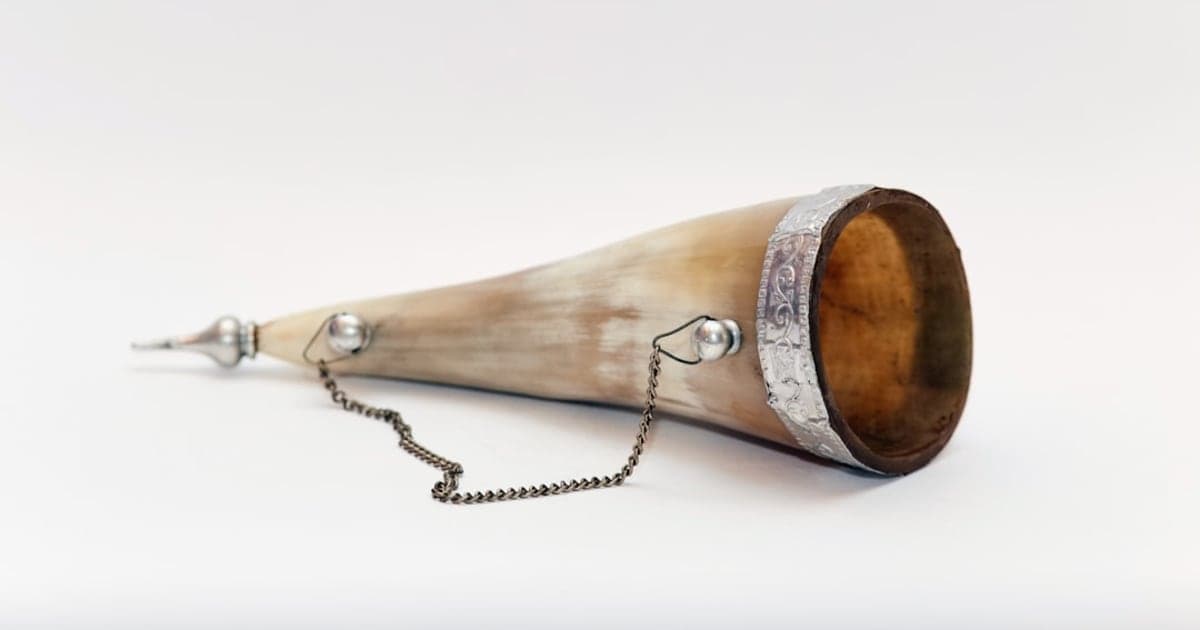
For more on celebrating Rosh Hashanah, see our guides to blowing the shofar, Tashlich, and the Ten Days of Repentance.