Preparing for Shabbat
What Does It Really Take to Prepare for Shabbat?
You've probably heard that Shabbat is a day of rest. But have you ever wondered why Jewish families seem to spend so much effort getting ready for it? If Shabbat is about relaxation and peace, why does Friday feel like a marathon?
The answer reveals something beautiful about Jewish life: preparing for Shabbat is itself a mitzvah (commandment). The process of getting ready — cooking special food, cleaning the house, setting the table with your finest dishes — is not just logistics. It is an act of honor, like preparing your home for the most important guest you could ever receive. In Jewish tradition, that guest is the Shabbat Queen herself.
Whether you are brand new to Shabbat observance or looking to deepen your existing practice, this guide will walk you through everything you need to know about preparing for the most special day of the Jewish week.
Why Preparation Matters: The Spiritual Foundation
Jewish tradition teaches that the quality of your Shabbat experience is directly connected to how you prepare for it. The Talmud recounts stories of great sages who personally involved themselves in Shabbat preparations — one would chop vegetables, another would salt fish, a third would light the fire. Despite having students or household help, they wanted to honor Shabbat with their own hands.
This idea runs deep. When you prepare for Shabbat intentionally, you are making a statement: this day is different from every other day. You are transitioning from the ordinary to the sacred. And that transition does not happen by accident — it happens through purposeful action.
The concept of kavod Shabbat (honoring Shabbat) and oneg Shabbat (delighting in Shabbat) are the twin pillars of preparation. Everything you do on Friday — shopping, cooking, cleaning, bathing — falls under one of these two categories. You are either honoring the day by making it visibly special or preparing the things that will make it delightful to experience.
When Does Preparation Begin?
While the most intense preparations happen on Friday, the truth is that preparing for Shabbat can begin much earlier in the week. Many experienced Shabbat observers start their mental planning on Wednesday or Thursday, particularly when it comes to menu planning and grocery shopping.
In fact, Jewish tradition teaches that every day of the week is connected to Shabbat. Sunday is the first day after Shabbat, Monday is two days after, and so on — but from Wednesday onward, the days are counted toward Shabbat. This means that by midweek, our orientation naturally shifts toward the coming Shabbat.
A Practical Weekly Timeline
- Wednesday/Thursday: Plan your Shabbat menu. Check what ingredients you have and make a shopping list. If you are hosting guests, confirm numbers and dietary needs.
- Thursday evening or Friday morning: Do your grocery shopping. Many communities have bustling markets on Friday morning as everyone stocks up for Shabbat.
- Friday: Cook, clean, set the table, bathe, and dress in honor of Shabbat. The goal is to have everything done well before candle lighting time.
The Friday Kitchen: Cooking for Shabbat
The Shabbat meals are among the highlights of the entire week. Traditionally, there are three festive meals: Friday night dinner, Shabbat day lunch, and Seudah Shlishit (the third meal) on Shabbat afternoon. Each one deserves attention and care.
Menu Planning Tips
If you are new to cooking for Shabbat, start simple. You do not need a five-course gourmet spread. A warm challah, a pot of soup, a main dish, and a side or two will make for a wonderful meal. As you get more comfortable, you can expand your repertoire.
Here are some classic menu ideas to get you started:
- Friday night: Chicken soup with matzo balls or noodles, roasted chicken, roasted vegetables, a green salad, and of course challah.
- Shabbat lunch: Cholent (a slow-cooked stew that stays warm from before Shabbat), kugel (a baked casserole of noodles or potatoes), salads, and challah.
- Seudah Shlishit: Lighter fare such as salads, bread, dips, and perhaps some fish.
Cooking Timeline for Friday
One of the biggest challenges of Shabbat preparation is timing. All cooking must be completed before candle lighting, which is typically 18 minutes before sunset. Here is a suggested Friday cooking timeline:
- Morning (8-10 AM): Start any dishes that need long cooking times — cholent, slow-braised meats, or complex soups. Put up the cholent so it can cook all through Shabbat on a blech or hot plate.
- Late morning (10 AM-12 PM): Prepare salads, side dishes, and desserts. Make the kugel and get it in the oven.
- Early afternoon (12-2 PM): Focus on the main course for Friday night. Season and roast chicken, prepare fish, or cook whatever your main dish is.
- Afternoon (2-4 PM): Final preparations. Warm the soup, plate items that can be set aside, and set up your hot plate or blech for keeping food warm through Shabbat.
- Before candle lighting: Make sure all food is on the warming surface, the oven is off (or set to the appropriate setting), and the kitchen is as clean as possible.
Preparing the Home
Walking into a clean, beautiful home on Shabbat is one of the great pleasures of the day. The tradition of cleaning the house before Shabbat goes back to ancient times and is part of kavod Shabbat — honoring the day by making your space reflect its specialness.
Cleaning Priorities
- The dining area: This is where the Shabbat meals take place, so it should be clean, uncluttered, and beautifully set.
- Common areas: Tidy up the living room and any spaces where the family will gather.
- Bathrooms: Clean and stocked for guests and family.
- Kitchen: While the kitchen will get messy during cooking, try to clean as you go and do a final wipe-down before Shabbat.
Setting the Table
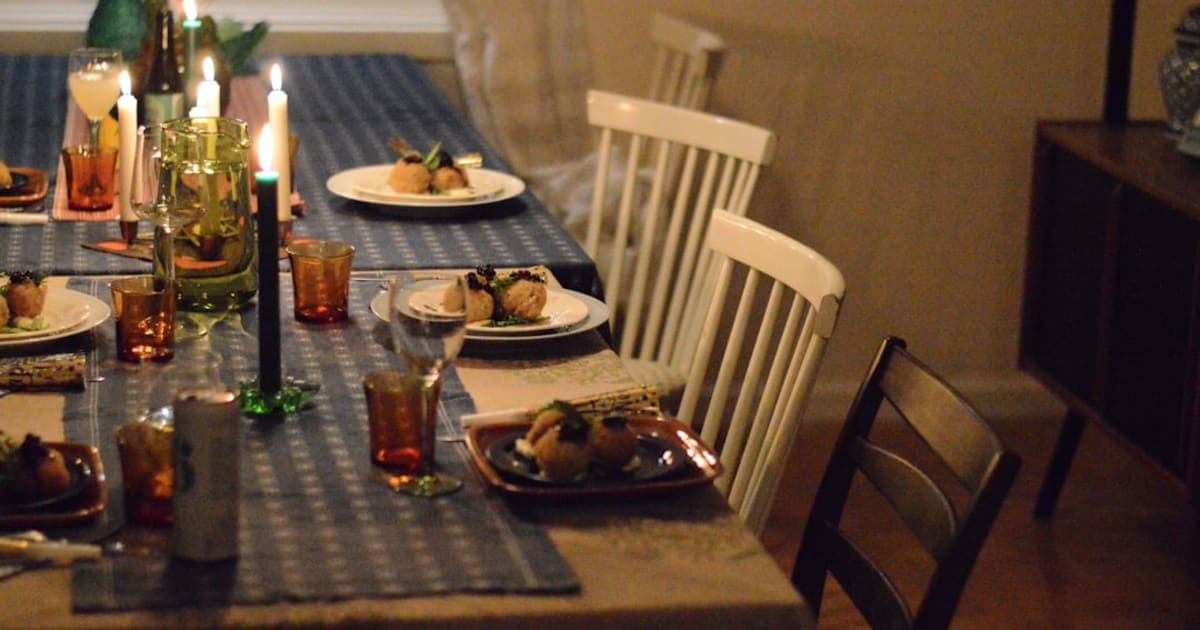
The Shabbat table is the centerpiece of the experience. Use your nicest tablecloth, your best dishes, and real silverware if you have it. Place the Shabbat candles prominently, set out a Kiddush cup and wine or grape juice, and arrange two whole challahs covered with a challah cover.
Many families add flowers, a special tablecloth, and other decorations that set the Shabbat table apart from weekday meals. Children can be involved in this preparation, helping them feel ownership of the Shabbat experience.
Personal Preparation: Body and Soul
Shabbat is not just about what is on the table — it is about who you are when you sit down at it. Personal preparation is an important and often overlooked part of getting ready.
Bathing and Dressing
It is customary to bathe or shower before Shabbat. Many people take a special, more leisurely shower or bath on Friday afternoon as a way to transition into the Shabbat mindset. Put on clean, special clothing — not necessarily formal wear, but something nicer than what you would wear on an ordinary day.
The idea is simple: if a king or queen were visiting your home, you would not answer the door in your pajamas. Shabbat is royalty, and we dress accordingly.
Mental and Spiritual Preparation
Take a few minutes before Shabbat to mentally close out the week. Some people review the weekly Torah portion, others say a short prayer, and some simply take a few deep breaths and set an intention for the coming Shabbat. If there are any unresolved conflicts with family or friends, Friday afternoon is an ideal time to reach out and make peace — entering Shabbat with a clean heart.
Many have the custom to give charity (tzedakah) just before candle lighting. Dropping coins into a tzedakah box as the last act before Shabbat is a beautiful way to end the workweek on a note of generosity.
Technology and Timers
Since the use of electricity and technology is restricted on Shabbat, you will need to set things up in advance:
- Lights: Turn on any lights you will need for the evening. Many families use timers to control lights automatically — turning them on before dinner and off at bedtime, for example.
- Hot plate or blech: Set up your warming surface for keeping food hot. A blech (a metal sheet placed over the stove) or an electric hot plate should be turned on before Shabbat.
- Phone: Silence your phone or put it in a designated spot where you will not be tempted to check it.
- Thermostat: Set your heating or air conditioning to a comfortable level for the next 25 hours.
- Crockpot / water urn: If you use a hot water urn or slow cooker, make sure they are filled and turned on before Shabbat.
Candle Lighting: The Grand Entrance
After all the preparation, the moment arrives: candle lighting. This is traditionally done by the women and girls of the household, though anyone can light. The standard practice is to light at least two candles, representing the two expressions of the Shabbat commandment — zachor (remember) and shamor (observe). Many women add an additional candle for each child in the family.
Candle lighting happens 18 minutes before sunset. After lighting, you cover your eyes, recite the blessing, and then open your eyes to see the Shabbat lights — a moment of profound beauty and peace. Many women use this private moment for personal prayer, whispering heartfelt requests for their family and loved ones.
The Blessing
Baruch Atah Adonai, Eloheinu Melech ha'olam, asher kid'shanu b'mitzvotav v'tzivanu l'hadlik ner shel Shabbat.
"Blessed are You, Lord our God, King of the universe, who has sanctified us with His commandments and commanded us to kindle the Shabbat lights."
Involving the Whole Family
Shabbat preparation is not a one-person job. In fact, it is most meaningful when the entire family participates. Here are ways to get everyone involved:
- Young children: Help set the table, arrange flowers, choose the tablecloth, or put out the challah cover.
- Older children: Assist with cooking, vacuuming, or preparing the guest room if company is expected.
- Spouse/partner: Share the cooking and cleaning responsibilities. Many husbands traditionally take on specific tasks like setting up the wine for Kiddush or preparing a special dish.
- Guests: If guests ask what to bring, suggest flowers, wine, or a side dish — and let them participate in the joy of preparation.
When children grow up seeing their parents joyfully prepare for Shabbat, they absorb the message that this day is worth working for. It becomes their own tradition, carried into the next generation.
Common Challenges and How to Handle Them
"I Always Run Out of Time on Friday"
This is the most common Shabbat preparation struggle. The solution is to start earlier in the week. Do your shopping on Thursday. Prepare any dishes that freeze well on Wednesday or Thursday night. On Friday, you should ideally be doing final cooking and setup, not starting from scratch.
"I Do Not Know How to Cook"
Start with the simplest possible menu: store-bought challah, a bottle of grape juice for Kiddush, a rotisserie chicken, a bagged salad, and a box of cookies for dessert. There is no shame in a simple meal — the point is the togetherness and the sanctity, not the complexity of the food. As you grow more comfortable, you can learn new recipes one at a time.
"I Am Doing Shabbat Alone"
Preparing for Shabbat when you are on your own can feel daunting, but it can also be deeply personal and meaningful. Scale down the cooking, light your candles, pour your Kiddush, and enjoy a quiet, reflective meal. You might also look into local communities that host Shabbat meals for singles and newcomers.
A Shabbat Preparation Checklist
Here is a quick reference checklist to use each Friday:
- Menu planned and groceries purchased
- All cooking completed or in progress with time to spare
- House cleaned and tidied
- Table set with candles, Kiddush cup, wine/grape juice, and two challahs
- Hot plate, blech, or warming tray set up and turned on
- Lights and timers set
- Phone silenced and put away
- Bathed and dressed in Shabbat clothes
- Tzedakah given
- Candles lit 18 minutes before sunset
The Reward of Preparation
There is a particular feeling that washes over you when everything is ready, the candles are lit, and Shabbat has arrived. The rushing stops. The phone is silent. The house smells of challah and chicken soup. The table glows with candlelight. And you realize that all the effort was worth it — because this moment of peace is unlike anything else in the entire week.
Jewish tradition says that on Shabbat, every person receives an extra soul — a neshamah yeterah — that allows them to experience a deeper level of rest and spiritual connection. But that extra soul needs a home to enter. The preparation you do on Friday is what opens the door.
Shabbat Shalom.