Neilah: Closing the Gates
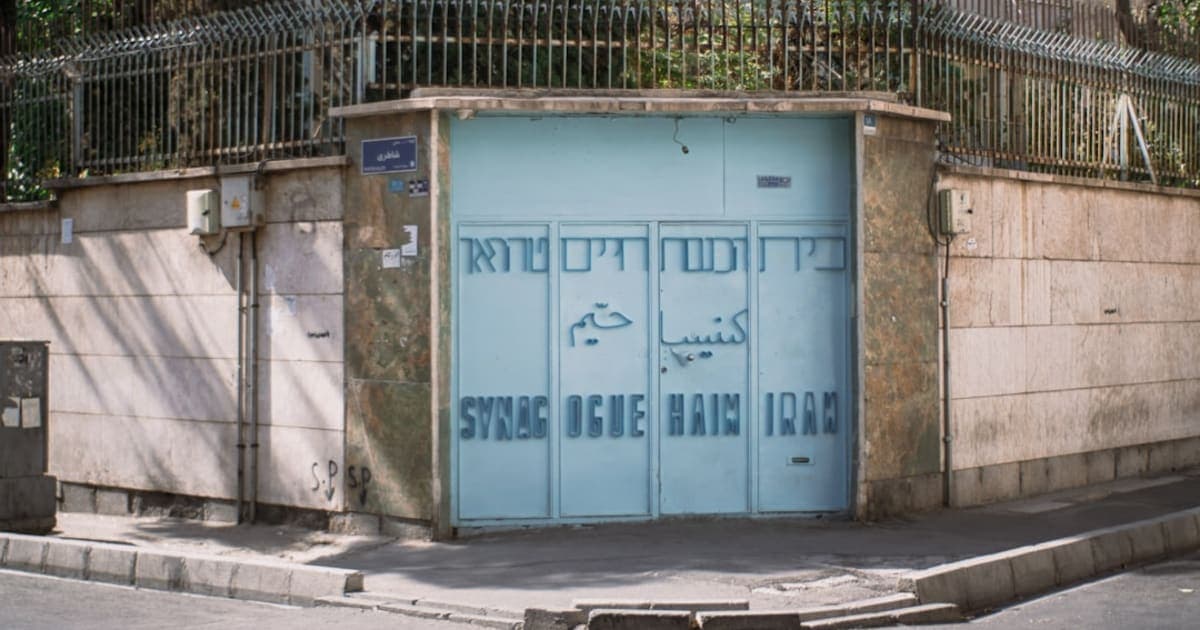
Neilah: Closing the Gates
What happens when you have one last chance to say something that matters? Neilah, the closing prayer service of Yom Kippur, is that moment. As the day's final light fades, the congregation rises for the most intense and emotional prayer of the entire Jewish year. The gates of heaven, which have been open since Rosh Hashanah, are about to close, and Neilah is our last opportunity to pour out our hearts before the verdict is sealed.
What Does Neilah Mean?
The word Neilah means locking or closing. It refers to the closing of the Temple gates at the end of the day, and symbolically, the closing of the gates of heaven through which our prayers ascend. This imagery creates extraordinary urgency. Throughout Yom Kippur, we have been praying, confessing, and seeking forgiveness. Now, in the final hour, everything intensifies.
When Is Neilah?
Neilah begins approximately one hour before sunset and continues until the stars appear, marking the end of Yom Kippur. It is the only prayer service in the Jewish year that takes place specifically at the close of the day. The ark (aron kodesh) remains open for the entire service, and the congregation traditionally stands throughout, though those who are weak from fasting may sit.
Unique Features of Neilah
Several elements distinguish Neilah from all other prayer services. The language of the prayers shifts from inscribe us (koteveinu) to seal us (choteimeinu) in the Book of Life. This reflects the tradition that on Rosh Hashanah, the judgment is written, and on Yom Kippur, it is sealed. The Neilah prayers use the language of sealing because this is the final moment.
The Viduy (confession) is recited one final time, but with a different emotional quality than earlier in the day. By now, after a full day of fasting and prayer, the confession feels less like a recitation and more like a genuine outpouring. The defenses are down, the ego is quieted, and the words come from a deeper place.
The Thirteen Attributes of Mercy are recited with special intensity. These attributes, which describe God as compassionate, gracious, slow to anger, and abundant in kindness, are the foundation of our confidence that God will accept our repentance. During Neilah, they are chanted with a melody that builds in urgency and hope.
The Emotional Experience
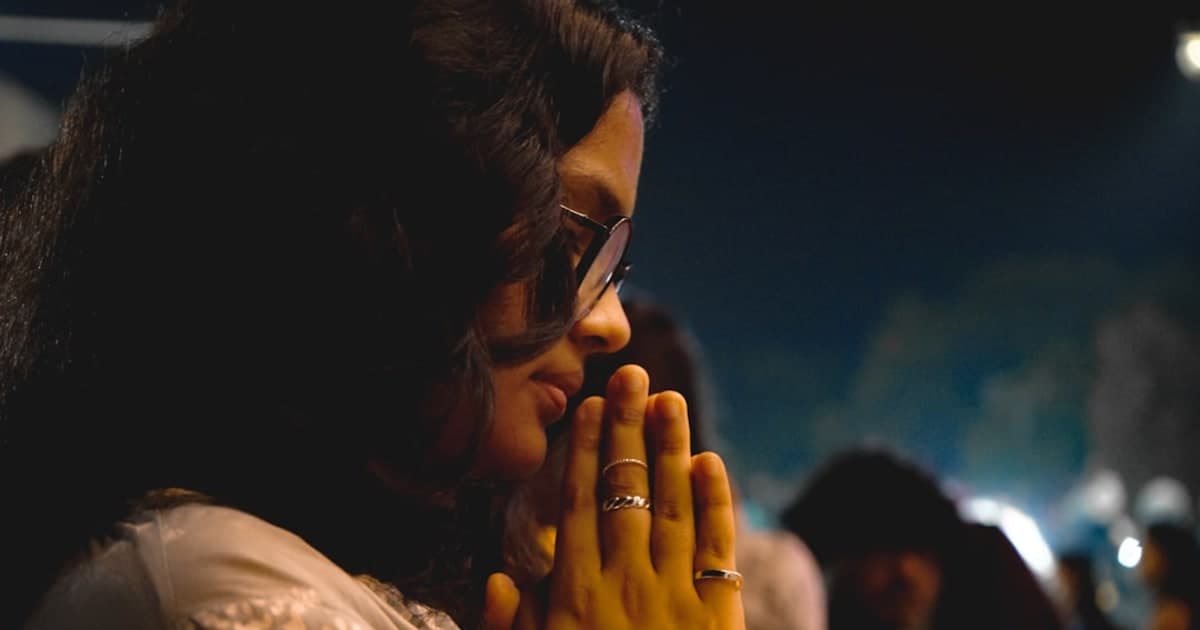
Neilah is unlike any other moment in Jewish life. After 24 hours of fasting, the body is weak but the spirit is awake. The usual barriers between the conscious mind and the deeper self have dissolved. Many people describe Neilah as the moment when they feel closest to God, when the distance between human and divine seems to shrink to nothing.
The combination of physical vulnerability, emotional openness, communal solidarity (everyone standing together), and the urgency of the closing gates creates an atmosphere of extraordinary spiritual power. People who rarely cry in prayer find tears streaming down their faces during Neilah. People who struggle with faith find themselves genuinely moved. It is a moment that transcends intellectual understanding and touches something primal in the human soul.
The Final Moments
As Neilah reaches its climax, the congregation cries out together: Shema Yisrael, Hashem Elokeinu, Hashem Echad (Hear, O Israel, the Lord our God, the Lord is One), once. Then: Baruch Shem kevod malchuto le'olam va'ed (Blessed is the name of His glorious kingdom forever and ever), three times. Then: Hashem Hu HaElokim (The Lord, He is God), seven times. Each repetition grows louder and more fervent.
These final declarations are a powerful affirmation of faith after a full day of introspection. They echo the words of the prophet Elijah on Mount Carmel, when the people of Israel, after witnessing the truth of God's power, cried out: The Lord, He is God. After a day of honestly confronting our failures and seeking forgiveness, we end by affirming our most fundamental belief.
The Shofar Blast
Immediately after these declarations, a single, long blast of the shofar (tekiah gedolah) rings out. This blast marks the end of Yom Kippur and the sealing of the heavenly judgment. It is a sound of triumph and hope, signaling that the gates have closed, the fast is over, and we can proceed into the new year with confidence that our prayers have been heard.
The shofar blast is followed by the declaration: Next year in Jerusalem! The congregation then recites the evening (Maariv) service, havdalah is made over wine, and the fast is broken. Many communities gather for a festive break-fast meal, and some even begin building their sukkah that very night, transitioning from one mitzvah to the next.
Making the Most of Neilah
If there is one prayer service to attend on Yom Kippur, many rabbis say it should be Neilah. Even if you have not been in synagogue all day, arriving for Neilah allows you to participate in the most powerful prayer of the year. Stand if you can. Close your eyes. Let the melodies wash over you. Speak to God in your own words if the formal prayers feel distant. This is your last chance before the gates close, and tradition promises that at this moment, God is listening with special attentiveness.
For more on Yom Kippur, see our guides to preparing for the fast, Viduy, and Kol Nidrei.