Kiddush and Wine on Shabbat
What transforms an ordinary Friday night dinner into something sacred? One answer: a cup of wine, a ancient blessing, and the conscious decision to declare this moment holy. That is what Kiddush is all about — and it is one of the most central rituals of Shabbat.
What Is Kiddush?
The word "Kiddush" comes from the Hebrew root kadosh, meaning "holy" or "set apart." Kiddush is the formal sanctification of Shabbat (and Jewish holidays), performed by reciting a special blessing over a cup of wine or grape juice. Through this act, we verbally declare that this day is different from all other days — it is holy, and we are choosing to honor it.
Kiddush is recited twice during Shabbat: on Friday night (the more elaborate version) and on Shabbat morning (a shorter version). The Friday night Kiddush is one of the highlights of the entire Shabbat experience, setting the tone for the beautiful evening that follows.
The obligation to recite Kiddush is rooted in the Torah's command to "Remember the Sabbath day, to keep it holy." Jewish tradition teaches that this "remembering" should be done verbally, over a cup of wine, and in the context of a meal.
Why Wine?
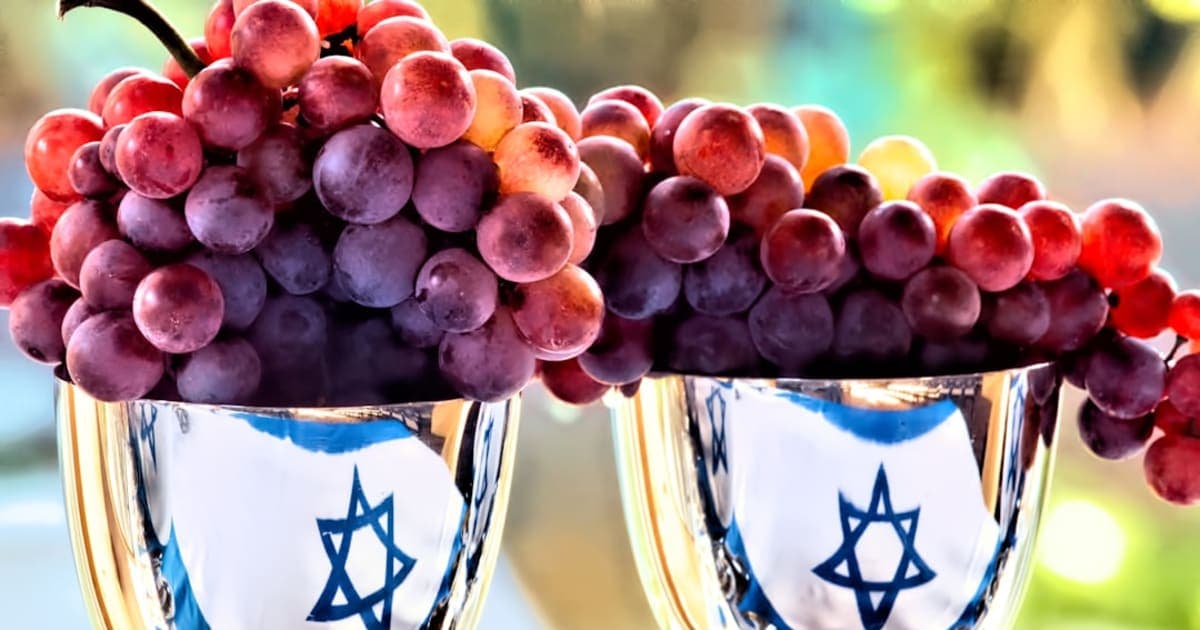
Wine holds a special place in Jewish tradition. It is considered the most distinguished of beverages, and it is used to sanctify many of life's most important moments — from weddings to the Passover Seder to a baby's brit milah (circumcision). Wine symbolizes joy, abundance, and celebration.
When we use wine for Kiddush, we are saying that Shabbat is not just a day off — it is a day of joy and elevation. The richness of the wine mirrors the richness of the day itself.
There are some important guidelines about the wine used for Kiddush:
- Red or white? — While there is a preference for red wine in many traditions (because it is considered more distinguished), white wine is perfectly acceptable.
- Kosher wine — The wine should be kosher. For more on what makes wine kosher, see our article on kosher wine and mevushal.
- Grape juice — Grape juice is a fully valid alternative for Kiddush. This is especially useful for children, for anyone who cannot or prefers not to drink alcohol, and for families where wine is not practical. Learn more in our piece on grape juice vs. wine for Kiddush.
- A full cup — The Kiddush cup should be filled to the top (or at least contain a revi'it, approximately 3.3 fluid ounces). A full cup symbolizes abundance and wholeness.
The Kiddush Cup
While Kiddush can technically be recited over any cup, many families use a special Kiddush cup — often made of silver and passed down through generations. The cup should hold at least a revi'it of liquid. Some families have ornate, engraved cups, while others use simple goblets. The beauty of the cup adds to the honor of the mitzvah, but what matters most is the intention and the blessing, not the vessel.
Friday Night Kiddush: Step by Step
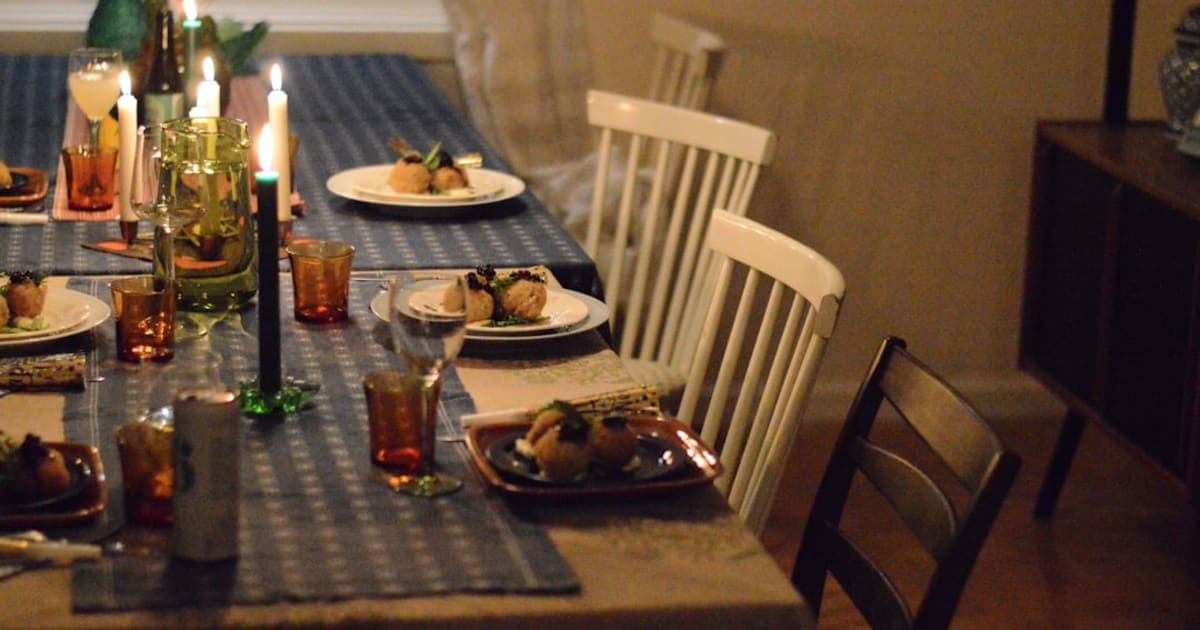
After candle lighting, attending synagogue for Kabbalat Shabbat, and returning home, the family gathers at the set table. Here is how Friday night Kiddush unfolds:
1. Everyone Stands (or Sits)
There is a widespread custom to stand during the first paragraph of Kiddush ("Vayechulu"), which is a testimony to God's creation of the world. Testimony in Jewish law is given while standing. Some families remain standing for the entire Kiddush; others sit after "Vayechulu." Both practices are valid — follow your family or community custom.
2. Hold the Cup
The person reciting Kiddush holds the cup in their right hand (or left hand for a left-handed person, according to some customs). The cup should be raised at least a handbreadth (about 3-4 inches) above the table.
3. Recite Vayechulu
Kiddush begins with "Vayechulu" — the passage from Genesis (2:1-3) describing how God completed creation and rested on the seventh day. This is the theological foundation of Shabbat. Many families recite this paragraph together.
4. Recite the Blessings
After "Vayechulu," two blessings are recited:
- Borei pri hagafen — The blessing over wine: "Blessed are You, Lord our God, King of the Universe, who creates the fruit of the vine."
- The Kiddush blessing itself — A longer blessing that speaks of God sanctifying us with His commandments, giving us Shabbat in love and favor as a remembrance of creation, and as a commemoration of the Exodus from Egypt.
5. Drink the Wine
After completing the blessings, the person who recited Kiddush drinks from the cup — ideally a significant amount (at least a cheekful, approximately 1.5 fluid ounces). The wine is then poured or passed around so that everyone at the table can have a taste, sharing in the sanctification of Shabbat.
6. Continue to the Meal
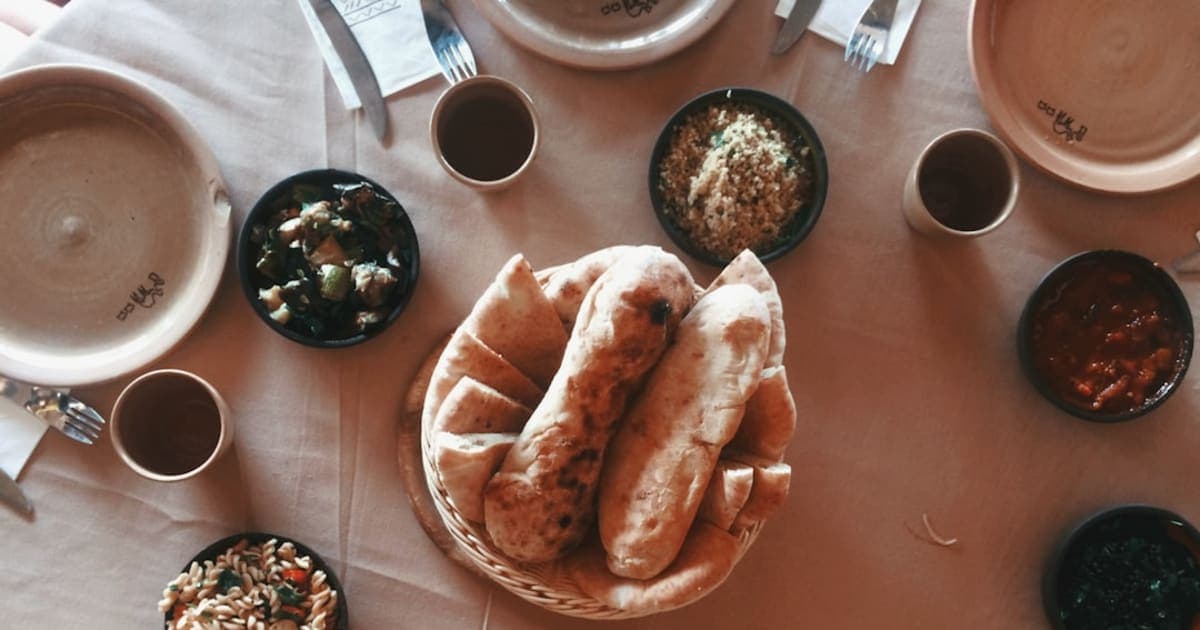
After Kiddush, the family proceeds to wash hands and say HaMotzi over the challah, and the Shabbat meal begins.
The Full Friday Night Kiddush Text
Here is the complete text of the Friday night Kiddush in Hebrew, transliteration, and translation:
וַיְכֻלּוּ הַשָּׁמַיִם וְהָאָרֶץ וְכָל־צְבָאָם. וַיְכַל אֱלֹהִים בַּיּוֹם הַשְּׁבִיעִי מְלַאכְתּוֹ אֲשֶׁר עָשָׂה, וַיִּשְׁבֹּת בַּיּוֹם הַשְּׁבִיעִי מִכָּל מְלַאכְתּוֹ אֲשֶׁר עָשָׂה. וַיְבָרֶךְ אֱלֹהִים אֶת־יוֹם הַשְּׁבִיעִי וַיְקַדֵּשׁ אֹתוֹ, כִּי בוֹ שָׁבַת מִכָּל מְלַאכְתּוֹ אֲשֶׁר בָּרָא אֱלֹהִים לַעֲשׂוֹת.
בָּרוּךְ אַתָּה ה׳ אֱלֹהֵינוּ מֶלֶךְ הָעוֹלָם, בּוֹרֵא פְּרִי הַגָּפֶן.
בָּרוּךְ אַתָּה ה׳ אֱלֹהֵינוּ מֶלֶךְ הָעוֹלָם, אֲשֶׁר קִדְּשָׁנוּ בְּמִצְוֹתָיו וְרָצָה בָנוּ, וְשַׁבָּת קָדְשׁוֹ בְּאַהֲבָה וּבְרָצוֹן הִנְחִילָנוּ, זִכָּרוֹן לְמַעֲשֵׂה בְרֵאשִׁית. כִּי הוּא יוֹם תְּחִלָּה לְמִקְרָאֵי קֹדֶשׁ, זֵכֶר לִיצִיאַת מִצְרָיִם. כִּי בָנוּ בָחַרְתָּ וְאוֹתָנוּ קִדַּשְׁתָּ מִכָּל הָעַמִּים, וְשַׁבָּת קָדְשְׁךָ בְּאַהֲבָה וּבְרָצוֹן הִנְחַלְתָּנוּ. בָּרוּךְ אַתָּה ה׳, מְקַדֵּשׁ הַשַּׁבָּת.
Transliteration:
Vayechulu ha-shamayim veha'aretz vechol tzeva'am. Vayechal Elohim bayom ha-shevi'i melachto asher asah, vayishbot bayom ha-shevi'i mikol melachto asher asah. Vayevarech Elohim et yom ha-shevi'i vayekadesh oto, ki vo shavat mikol melachto asher bara Elohim la'asot.
Baruch Atah Adonai, Eloheinu Melech ha'olam, borei pri hagafen.
Baruch Atah Adonai, Eloheinu Melech ha'olam, asher kid'shanu b'mitzvotav v'ratzah vanu, v'Shabbat kodsho b'ahavah uvratzon hinchilanu, zikaron lema'aseh bereishit. Ki hu yom techilah lemikra'ei kodesh, zecher l'yetziat Mitzrayim. Ki vanu vacharta ve'otanu kidashta mikol ha'amim, v'Shabbat kodshecha b'ahavah uvratzon hinchaltanu. Baruch Atah Adonai, mekadeish haShabbat.
Translation:
"And the heavens and the earth and all their hosts were completed. And God finished on the seventh day His work that He had made, and He rested on the seventh day from all His work that He had made. And God blessed the seventh day and made it holy, for on it He rested from all His work that God had created to make.
Blessed are You, Lord our God, King of the Universe, who creates the fruit of the vine.
Blessed are You, Lord our God, King of the Universe, who sanctified us with His commandments and took pleasure in us, and His holy Shabbat, in love and favor, He gave us as a heritage, a remembrance of the work of creation. For it is the first among the holy days of assembly, a memorial of the Exodus from Egypt. For You chose us and sanctified us from among all the peoples, and Your holy Shabbat, in love and favor, You gave us as a heritage. Blessed are You, Lord, who sanctifies the Shabbat."
Shabbat Morning Kiddush ("Kiddusha Rabba")
On Shabbat morning, before the midday meal, a shorter Kiddush is recited. This is sometimes called Kiddusha Rabba ("the great Kiddush") — somewhat ironically, since it is actually shorter than the Friday night version. It includes verses about Shabbat from the Torah followed by the blessing over wine.
The Shabbat morning Kiddush is often recited at the synagogue after services as part of a communal gathering (also called "Kiddush"), where congregants share food, drink, and conversation. This communal Kiddush is a wonderful opportunity for fellowship and is one of the great social traditions of Jewish life.
Who Recites Kiddush?
Traditionally, Kiddush is recited by the head of the household. In most traditional homes, this is the husband and father. However, Kiddush can be recited by any Jewish adult (man or woman), and in fact, every person has an individual obligation to hear (or recite) Kiddush.
When one person recites Kiddush on behalf of the group, the listeners should have in mind that they are fulfilling their obligation through listening. This is based on the halachic principle that "hearing is like answering" — if you listen attentively with the intention of fulfilling the mitzvah, it is as if you recited it yourself.
If you are eating Shabbat dinner alone, you recite Kiddush for yourself. If you are a guest at someone else's table, your host's Kiddush covers you — just listen carefully and answer "Amen."
Kiddush Must Be Followed by a Meal
An important rule about Kiddush is that it must take place "in the location of a meal" (Kiddush b'makom seudah). This means that after reciting Kiddush, you need to eat a meal in the same place. You cannot recite Kiddush in one location and then go eat dinner somewhere else. This is why Kiddush is always recited at the Shabbat table, right before the meal.
Practical Tips for a Beautiful Kiddush
- Choose good wine — You do not need the most expensive bottle, but using wine or grape juice that you actually enjoy drinking makes the experience more pleasant and honors the mitzvah.
- Learn the words — If you are new to Kiddush, consider printing out the text or using a Kiddush card. Many families have Kiddush booklets at the table. With practice, many people memorize the Friday night Kiddush.
- Involve your children — Kiddush is a wonderful opportunity for children to participate. Young children can hold their own small cup of grape juice, and older children can practice reciting parts of the Kiddush. For more on creating meaningful Shabbat experiences for kids, see Making Shabbat Meaningful for Kids.
- Sing it — Kiddush is traditionally chanted to a melody, not simply read. There are many beautiful tunes, and learning one can make the experience much more moving. Ask someone at your local synagogue to teach you a melody, or find recordings online.
- Share the cup — After the person reciting Kiddush drinks, pouring wine for everyone at the table creates a sense of shared experience and togetherness.
The Deeper Meaning of Kiddush
At its core, Kiddush is an act of witness. When we recite the words of "Vayechulu," we are testifying that God created the world and rested on the seventh day. We are standing as witnesses to the most fundamental truth of Jewish faith: that there is a Creator, that creation has purpose, and that rest is not a luxury but a sacred necessity.
Kiddush also connects two of the greatest moments in Jewish history — creation and the Exodus from Egypt. The blessing mentions both, because Shabbat is rooted in both: we rest because God rested after creating the world, and we rest because we are free people, no longer slaves in Egypt. These twin themes of creation and freedom run through every aspect of Shabbat.
There is something profoundly moving about holding a cup of wine, surrounded by family and candlelight, and declaring the day holy. In that moment, the dining room table becomes an altar, the wine becomes an offering of joy, and the family becomes a community of faith. Kiddush reminds us, week after week, that holiness is not confined to synagogues and temples — it lives in our homes, at our tables, in the simple act of raising a cup and saying "thank you."
Ready to experience the full beauty of Friday night? Continue your journey with Challah and HaMotzi, and explore the complete structure and meaning of Shabbat meals.