Kapparot: Chicken vs. Money
Kapparot: Chicken vs. Money
Why do some Jews swing a chicken over their heads before Yom Kippur, and why do others insist on using money instead? The custom of kapparot (also spelled kaparot) is one of the most debated traditions in Jewish life, generating strong opinions on all sides. Understanding its origins, meaning, and the arguments for different approaches helps you make an informed choice about how to observe it.
What Is Kapparot?
Kapparot is a pre-Yom Kippur ritual in which a person symbolically transfers their sins to a chicken (or money) and then gives it to the poor. The ceremony is traditionally performed on the morning before Yom Kippur, though it can be done anytime during the Ten Days of Repentance.
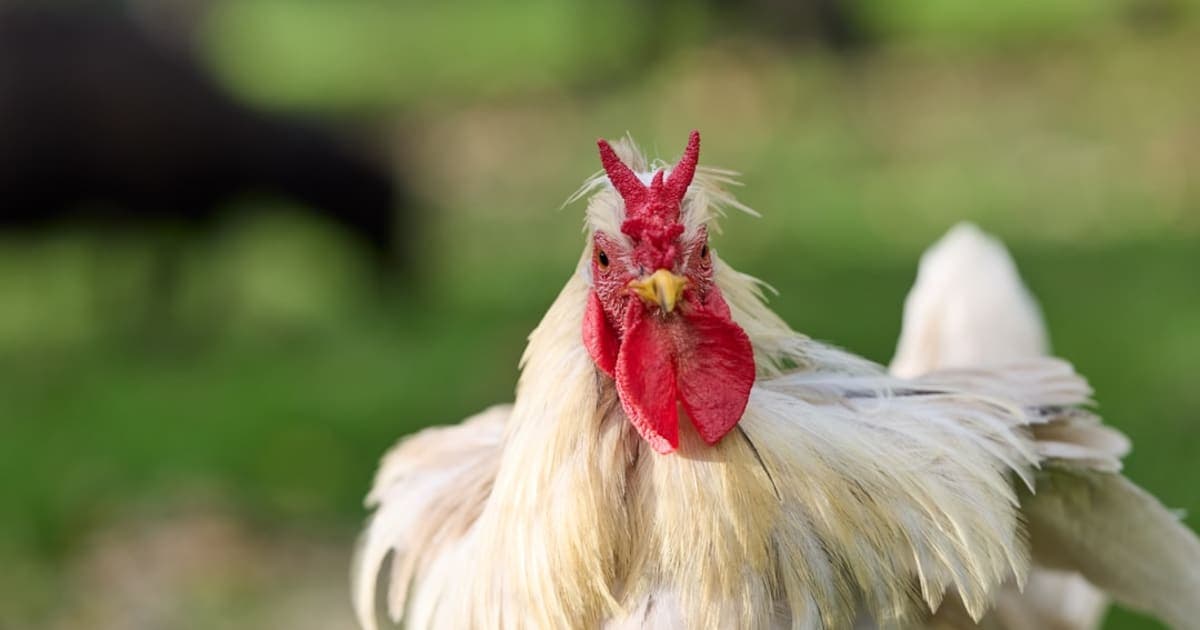
The basic procedure involves holding a live chicken (a rooster for males, a hen for females) and gently swinging it overhead three times while reciting a declaration: This is my exchange, this is my substitute, this is my atonement. This chicken will go to its death, and I will enter and proceed to a good long life and peace. The chicken is then slaughtered according to halachic standards and the meat is given to the poor (or its monetary value is donated).
The Case for Using a Chicken
Those who maintain the tradition of using a chicken emphasize several points. The custom has deep roots in Jewish tradition, practiced for many centuries and upheld by major halachic authorities. The use of a living creature makes the experience more visceral and impactful. Holding a living being and contemplating that it will die in your place creates a powerful emotional response that money simply cannot replicate. It forces you to confront the seriousness of sin and the fragility of life, which is exactly the mindset needed before Yom Kippur.
Additionally, the chicken provides food for the poor, fulfilling the important mitzvah of charity in a direct, tangible way.
The Case for Using Money
Many authorities, both historically and today, prefer or recommend using money instead of a chicken. Their reasoning includes several concerns. Animal welfare: in modern urban settings, the large-scale kapparot operations can sometimes result in poor treatment of the chickens, overcrowding, and improper handling. This violates the Torah prohibition against causing unnecessary suffering to animals (tza'ar ba'alei chaim). Practical concerns: in cities, access to proper shechitah (ritual slaughter) on the morning before Yom Kippur can be difficult, and improper slaughter raises serious kashrut issues. When money is used, it can be given directly to charity, which is always meritorious. Some authorities noted that the custom could be misunderstood as a magical rite rather than a tool for spiritual reflection, and preferred money to avoid this perception.
How to Do Kapparot with Money
When using money, the procedure is similar. Hold the money (traditionally coins, but bills work too) and swing it gently over your head three times while reciting the modified declaration: This is my exchange, this is my substitute, this is my atonement. This money will go to charity, and I will enter and proceed to a good long life and peace. The money is then placed in a charity box or donated to an organization that provides for the needy.
Many families who use money choose an amount that is meaningful, equivalent to the cost of a chicken or more. Some give the value of a chicken for each family member.
The Spiritual Meaning
Whether you use a chicken or money, the spiritual purpose of kapparot is the same: to awaken a sense of teshuvah (repentance) as Yom Kippur approaches. The ritual is meant to make abstract concepts tangible. Sin has consequences. Life is precious. We stand before God in judgment, and our continued existence is a gift, not a guarantee.
Kapparot is not a magical transfer of sins. The recitation and the act are tools to help us internalize the seriousness of the day ahead. They complement, not replace, the genuine introspection, prayer, and confession that are the real work of Yom Kippur.
Practical Guidance
If you choose to use a chicken, ensure that the operation you attend treats the animals humanely, has qualified shochtim (ritual slaughterers), and distributes the meat properly to those in need. If conditions seem crowded, chaotic, or the animals appear to be suffering, consider switching to money that year.
If you choose to use money, do so with full intention and seriousness. The power of the ritual lies in the kavanah (intention) you bring to it, not in the physical object used.
For more on preparing for Yom Kippur, see our guides to preparing for the fast, the five afflictions, and the Ten Days of Repentance.