Who Was Ruth? The First Convert

Who Was Ruth? The First Convert
What makes someone choose to join a people and embrace a faith that is not their birthright? The story of Ruth, told in the biblical Book of Ruth (Megillat Ruth), is one of the most beautiful and moving narratives in all of scripture. Read on Shavuot, it tells the tale of a Moabite woman who chose to leave everything she knew to follow her mother-in-law Naomi back to the Land of Israel and embrace the Jewish people and their God.
The Story
During a famine in the Land of Israel, a man named Elimelech takes his wife Naomi and their two sons to the land of Moab. There, the sons marry Moabite women: Orpah and Ruth. Then tragedy strikes. Elimelech dies, and within ten years, both sons die as well, leaving three widows with no children and no means of support.
Naomi decides to return to Israel and urges her daughters-in-law to go back to their Moabite families. Orpah tearfully agrees and returns home. But Ruth clings to Naomi and delivers one of the most powerful declarations of loyalty in all of literature: Where you go, I will go. Where you lodge, I will lodge. Your people shall be my people, and your God my God. Where you die, I will die, and there I will be buried.
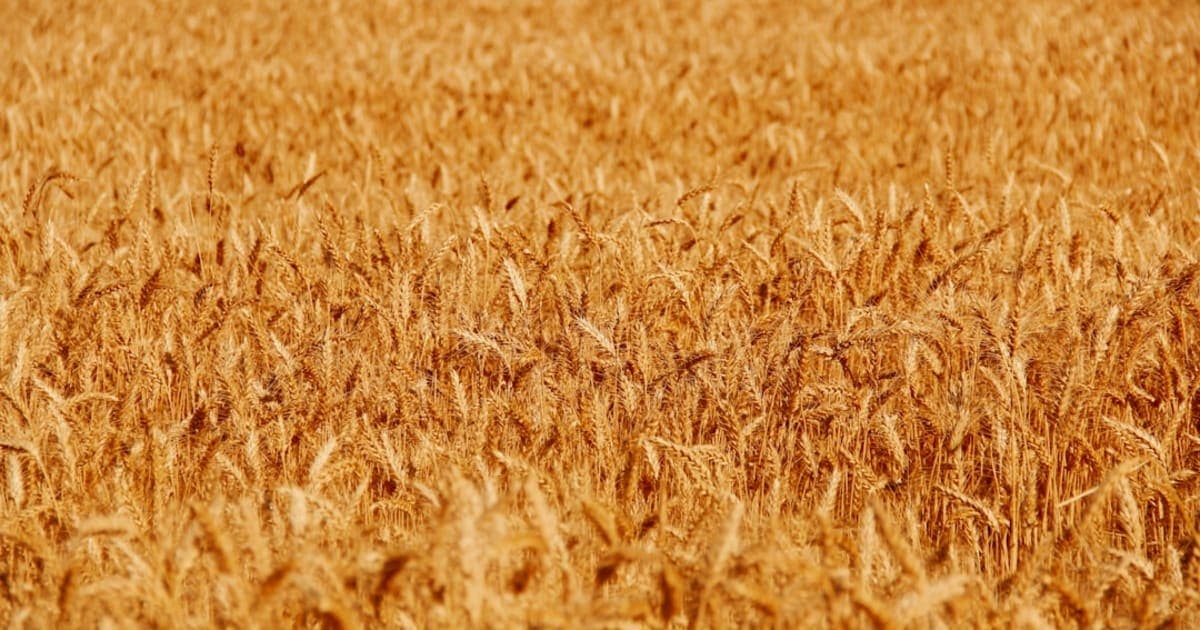
Ruth and Naomi arrive in Bethlehem during the barley harvest. Ruth goes to the fields to glean, the practice of collecting leftover grain that the Torah commands farmers to leave for the poor. She happens upon the field of Boaz, a wealthy and righteous relative of Naomi's late husband. Boaz notices Ruth, learns of her devotion to Naomi, and treats her with extraordinary kindness.
Through a series of events, Naomi guides Ruth to approach Boaz as a potential redeemer (a close relative who could marry her and continue the family line). Boaz agrees, and they marry. Their son Oved becomes the grandfather of King David.
Why Is Ruth Read on Shavuot?
The Book of Ruth is read on Shavuot for several interconnected reasons. Ruth's acceptance of Judaism mirrors the acceptance of the Torah by the Jewish people at Sinai. Just as Ruth voluntarily committed herself to God and the Jewish people, the Israelites voluntarily accepted the Torah. The story takes place during the harvest season, connecting to Shavuot's agricultural dimension. Ruth is the great-grandmother of King David, who according to tradition was born and died on Shavuot. Ruth's famous declaration echoes the Israelites' acceptance at Sinai: We will do and we will hear.
Ruth as the Model Convert
Ruth is considered the prototype for Jewish conversion. Her story illustrates the qualities that characterize a sincere convert: genuine desire (she chose to follow Naomi despite being urged to stay behind), selflessness (she left her home, family, and familiar culture), resilience (she arrived in Israel as a poor foreigner and worked hard in the fields), humility (she accepted her lowly status without complaint), and complete commitment (her declaration to Naomi was total and unconditional).
Jewish law regarding conversion (gerut) draws on Ruth's example. A potential convert is initially discouraged (as Naomi discouraged Ruth and Orpah) to test sincerity. The convert must accept the mitzvot (commandments) upon themselves, just as Ruth accepted Naomi's way of life. The convert must identify with the Jewish people as a community, not just as a religion (your people shall be my people).
Themes and Lessons
Loyalty and Devotion: Ruth's loyalty to Naomi, her mother-in-law, is one of the great examples of human devotion in literature. It teaches that family bonds are not just biological but can be forged through love and commitment.
Kindness (Chesed): The Book of Ruth is suffused with acts of kindness. Ruth's kindness to Naomi, Boaz's kindness to Ruth, and Naomi's guidance of Ruth are all expressions of the chesed that Judaism considers one of the highest values. The entire story demonstrates how individual acts of kindness can change the course of history.
Providence: The text says Ruth happened to come to the field of Boaz. But as with the Purim story, the apparent coincidence reveals a hidden divine plan. From this chance encounter comes King David and, ultimately, the future Messiah.
The Power of Choice: Ruth was not born Jewish. She chose Judaism. This is a powerful affirmation that spiritual identity is not just a matter of birth but of conscious choice and commitment. Every person has the ability to choose their path, and that choice can have consequences that echo through eternity.
Redemption from Loss: The story begins with devastating loss: death, famine, poverty, and displacement. It ends with marriage, birth, joy, and the founding of the royal dynasty. Ruth teaches that God can bring redemption from the darkest circumstances, and that human beings participate in that redemption through their choices and their kindness.
For more on Shavuot, see our guides to the giving of the Torah, dairy foods, and the Omer.