Understanding Purim
Understanding Purim: Beyond the Costumes and Hamantaschen
Everyone knows Purim is fun. The costumes, the noisemakers, the festive treats, and the general atmosphere of joy make it one of the most anticipated days on the Jewish calendar. But have you ever wondered why the rabbis established such elaborate celebrations for a story that happened in ancient Persia? What makes Purim so spiritually significant that some mystics consider it the holiest day of the year?
The Book of Esther: A Unique Text
The Megillat Esther (Book of Esther) stands alone among the books of the Hebrew Bible in several remarkable ways. Most notably, God's name does not appear in the text even once. This is not an oversight. It is the entire point. The Purim story unfolds through what appears to be a series of coincidences, political maneuvers, and personal decisions. But when you read between the lines, you discover that every event was orchestrated by an unseen hand.
Consider the chain of events: Vashti is removed as queen at the perfect moment for Esther to take her place. Mordechai happens to overhear a plot against the king. The king happens to have a sleepless night and happens to read the record of Mordechai's loyalty at exactly the right time. Haman happens to arrive at the palace at the precise moment the king wants to honor someone. None of these are random. Together, they reveal a pattern of divine providence working through natural events.
The Theme of Hiddenness
The very name Esther comes from the Hebrew root s-t-r, meaning "hidden." The Talmud even finds a hint to Esther in the Torah, in the verse "I will surely hide (haster astir) My face on that day." This theme of hiddenness pervades every aspect of the holiday:
God is hidden: His name does not appear in the Megillah, yet His hand guides every event.
Esther's identity is hidden: She conceals her Jewishness until the critical moment.
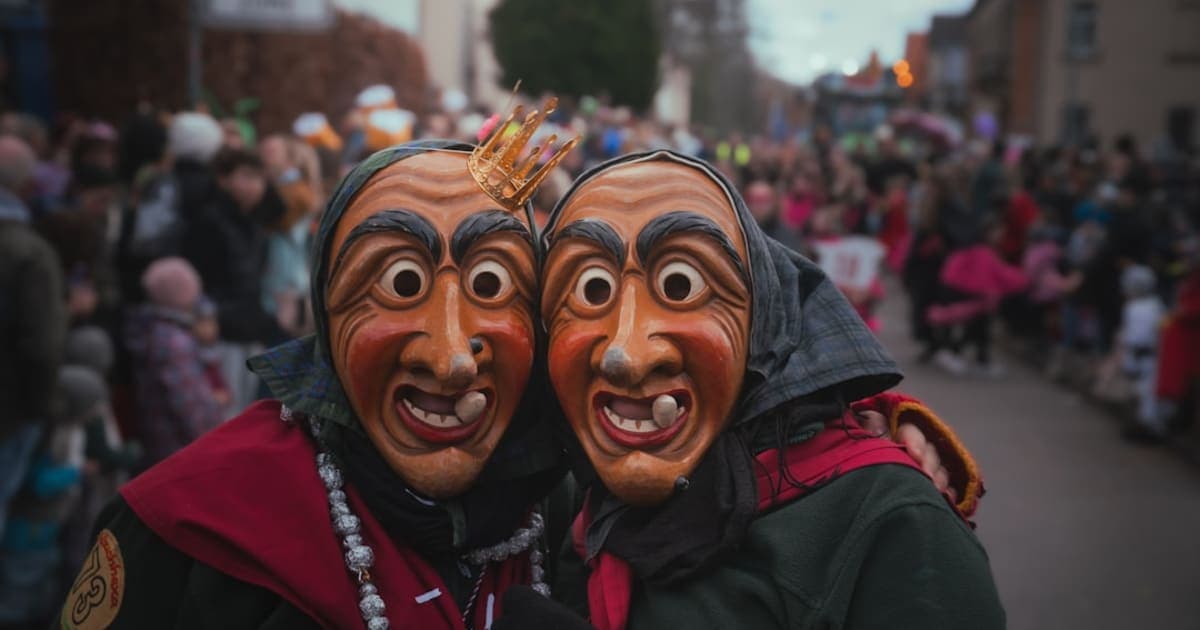
We wear costumes: Our Purim costumes reflect the theme that surfaces can be deceiving and that truth is sometimes hidden behind masks.
Hamantaschen are hidden: Even the traditional food has a hidden filling, enclosed within the dough.
The Role of Free Choice
One of the most striking aspects of the Purim story is how it depends on human free choice. Unlike the Exodus, where God clearly intervened with plagues and miracles, in the Purim story, everything hinges on the decisions of individuals. Esther could have stayed silent. Mordechai could have bowed to Haman. The king could have ignored his sleeplessness.
This teaches us that God often works through our choices. The Purim story does not diminish human agency; it elevates it. When Mordechai tells Esther, "If you remain silent at this time, relief and deliverance will arise for the Jews from another place," he is expressing a profound truth: salvation will come regardless, but the question is whether you will be the one to bring it.
Unity and Community
The four mitzvot of Purim, which you can explore in detail in our guide to the four mitzvot, are all focused on community. Hearing the Megillah together, sending food gifts to friends, giving charity to the poor, and sharing a festive meal all emphasize the bonds between people.
This is not coincidental. Haman's accusation against the Jews was that they were "scattered and divided" among the nations. The response to that threat is unity. By strengthening our connections to one another, we overcome the forces that seek to divide and destroy us.
Joy as a Spiritual Practice
Purim takes the concept of simcha (joy) to its highest level. The Talmud states, "When the month of Adar begins, we increase in joy." On Purim itself, joy is not just an emotion but a mitzvah.
But Purim joy is not shallow revelry. It is the joy of recognizing that even in the darkest moments, when destruction seemed certain, salvation came. It is the joy of understanding that the universe is not random but guided by a loving God. It is the joy of community, of sharing food, giving to those in need, and celebrating together.
The famous teaching about drinking on Purim, "until one cannot distinguish between cursed is Haman and blessed is Mordechai," can be understood on a deeper level. It suggests reaching a spiritual state where you recognize that even the seemingly negative events, even Haman's plot, were part of God's plan for good. At the highest level of joy, you see that everything, the good and the seemingly bad, comes from the same divine source.
Purim and the Acceptance of Torah
The Talmud makes a remarkable statement about Purim. At Mount Sinai, the Torah says God held the mountain over the people like a barrel, implying an element of coercion in accepting the Torah. But on Purim, the verse states, "The Jews upheld and accepted," meaning they voluntarily reaccepted the Torah out of love and gratitude. Shavuot marks the original giving of the Torah, but Purim marks the moment when the Jewish people embraced it freely.
This reacceptance makes Purim one of the most spiritually elevated days on the calendar. It represents the ultimate Jewish response to adversity: not despair but renewed commitment. Not withdrawal but deeper engagement with God and Torah.
Purim in the Modern World
The themes of Purim resonate powerfully in our time. The story reminds us that hatred of the Jewish people can arise in any era, in any place. But it also reminds us that this hatred never succeeds in its ultimate aim. The very instrument of destruction becomes the instrument of salvation. Haman's gallows become his own downfall. The date he chose by lot for destruction becomes a day of celebration.
In a world where anti-Jewish sentiment persists, Purim offers both a warning and a comfort. The warning: never be complacent. The comfort: the Jewish people have outlived every Haman in history, and always will.
So this Purim, as you listen to the Megillah, shake your grogger, send your mishloach manot, and enjoy your hamantaschen, take a moment to appreciate the extraordinary depth beneath the celebration. Purim is not just a holiday. It is an annual reminder that even when God's face is hidden, His love is not.