Tashlich: Where and When to Go
Tashlich: Where and When to Go
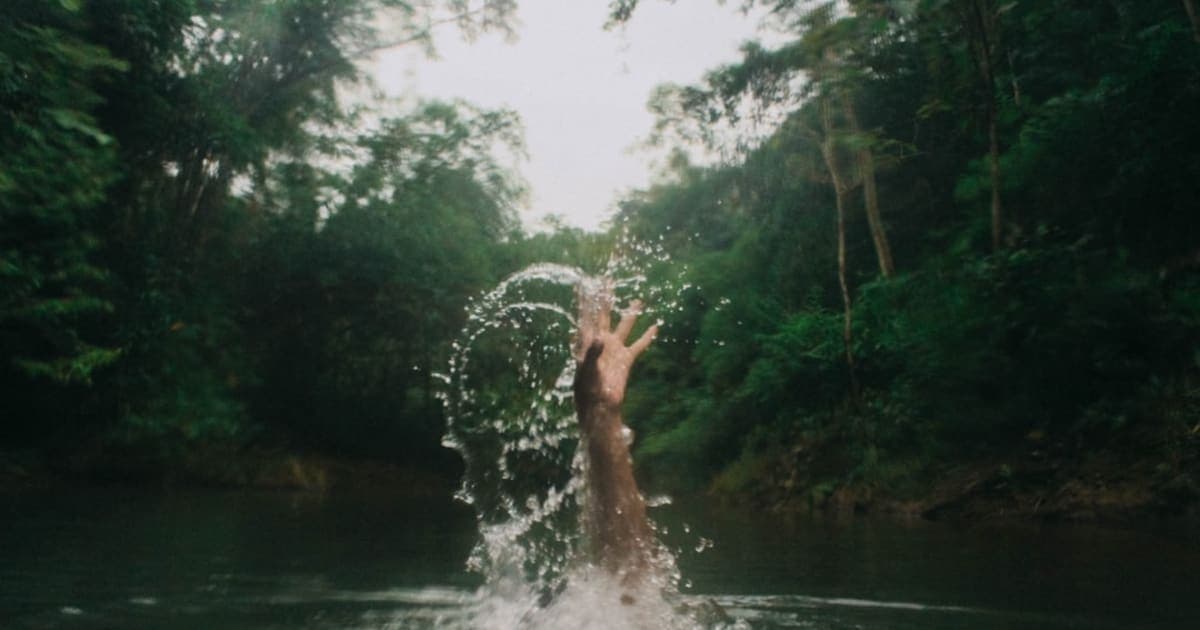
Have you ever stood by a river and felt your worries wash away? The custom of Tashlich captures that feeling and gives it spiritual depth. On Rosh Hashanah, Jews gather at bodies of flowing water to symbolically cast away their sins and begin the new year with a clean slate.
What Is Tashlich?
Tashlich (meaning you will cast) comes from the verse in the prophet Micah: And You will cast (tashlich) all their sins into the depths of the sea. The ceremony involves walking to a body of water, reciting specific prayers and biblical verses, and symbolically shaking out the corners of your pockets or tossing breadcrumbs into the water, representing the casting away of sins.
When to Go
Tashlich is traditionally performed on the first afternoon of Rosh Hashanah, after the midday meal. If the first day of Rosh Hashanah falls on Shabbat, many communities postpone Tashlich to the second day to avoid carrying items to the water. If you cannot go on Rosh Hashanah itself, Tashlich can be performed anytime during the Ten Days of Repentance, up to and including Hoshanah Rabbah.
Where to Go
The ideal location for Tashlich is a natural body of flowing water: a river, stream, or the ocean. Some authorities prefer water that contains fish (symbolizing God's watchful eye over us, and that we should not be caught in the net of sin). If no flowing water is available, a lake, pond, or even a fountain can be used. In cities, any accessible body of water works.
Many communities organize group Tashlich walks to a local river, lake, or waterfront. This is often a lovely social occasion, with families strolling together and meeting neighbors. Some synagogues arrange to walk together directly from the synagogue after services.
What to Say
The basic Tashlich prayer includes verses from Micah (7:18-20) and several Psalms. The complete text is found in most machzorim and Rosh Hashanah prayer booklets. The key verse is: Who is a God like You, who pardons sin and forgives the transgression of the remnant of His heritage? He does not maintain His anger forever, for He delights in kindness. He will again have compassion on us; He will suppress our iniquities. You will cast all their sins into the depths of the sea.
After the formal prayers, many people add personal prayers in their own words, asking God for forgiveness and expressing their hopes for the new year.
The Breadcrumbs
The custom of tossing breadcrumbs into the water is widespread but not universal. Some authorities discourage it, noting that the symbolic act of shaking out your pockets is sufficient and that bread should not be wasted. Others embrace it as a meaningful physical expression of releasing sin. If you do use breadcrumbs, use small amounts and choose a location where it will not create a litter problem.
The Deeper Meaning
Water in Jewish tradition symbolizes Torah, life, and purification. Standing by water on Rosh Hashanah connects us to all three. The flowing water represents the passage of time, a reminder that the old year has passed and a new one begins. The depth of the water represents God's capacity for forgiveness, which is deeper than any sin we could commit.
Tashlich is also a powerful exercise in letting go. We all carry guilt, regret, and shame from the past year. The act of casting these burdens into the water is a physical expression of a spiritual truth: with genuine teshuvah, the past does not have to define our future. God's mercy is vast enough to absorb our failings, just as the sea absorbs the crumbs we cast upon it.
For more on the High Holidays, see our guides to Rosh Hashanah, shofar sounds, and the Ten Days of Repentance.