Cleaning for Chametz

Cleaning for Chametz: A Practical Passover Guide
What if the key to a calm and meaningful Passover starts not with what you buy, but with what you remove? Cleaning for chametz is one of the most significant preparations for Pesach, and understanding the goal behind it can transform a stressful chore into a deeply purposeful spiritual practice.
What Is Chametz and Why Do We Remove It?
Chametz refers to any food product made from wheat, barley, rye, oats, or spelt that has been in contact with water for more than eighteen minutes without being fully baked. This includes bread, pasta, cereal, cookies, crackers, and many processed foods. The Torah commands us to remove all chametz from our homes before Passover and to avoid eating or even owning it during the eight days of the holiday (seven in Israel).
The reason is deeply connected to the Exodus story. When the Israelites left Egypt, they departed in such haste that their bread dough did not have time to rise. Eating matzo and avoiding chametz for a week reconnects us to that experience. On a spiritual level, chametz is often compared to ego and arrogance, the puffed-up quality that inflates us beyond our true size. Removing chametz from our homes mirrors the inner work of removing pride and making room for genuine humility and growth.
Chametz Cleaning vs. Spring Cleaning
Here is possibly the most important thing to understand about Pesach cleaning: it is not the same as spring cleaning. The goal is to find and remove chametz, specifically food items or crumbs that are edible (or were recently edible) and made from the five grains. Dust is not chametz. Dirt on the windows is not chametz. Stains on the carpet are not chametz (unless they are, say, dried pasta sauce with actual flour in it).
There is a well-known saying among rabbis: "Dirt is not chametz, and children are not the Passover sacrifice." This reminder is meant to keep the cleaning in perspective. Yes, you should be thorough. No, you should not make your family miserable in the process. The holiday is meant to celebrate freedom, not create a new form of servitude in your own home.
A Room-by-Room Guide
The Kitchen
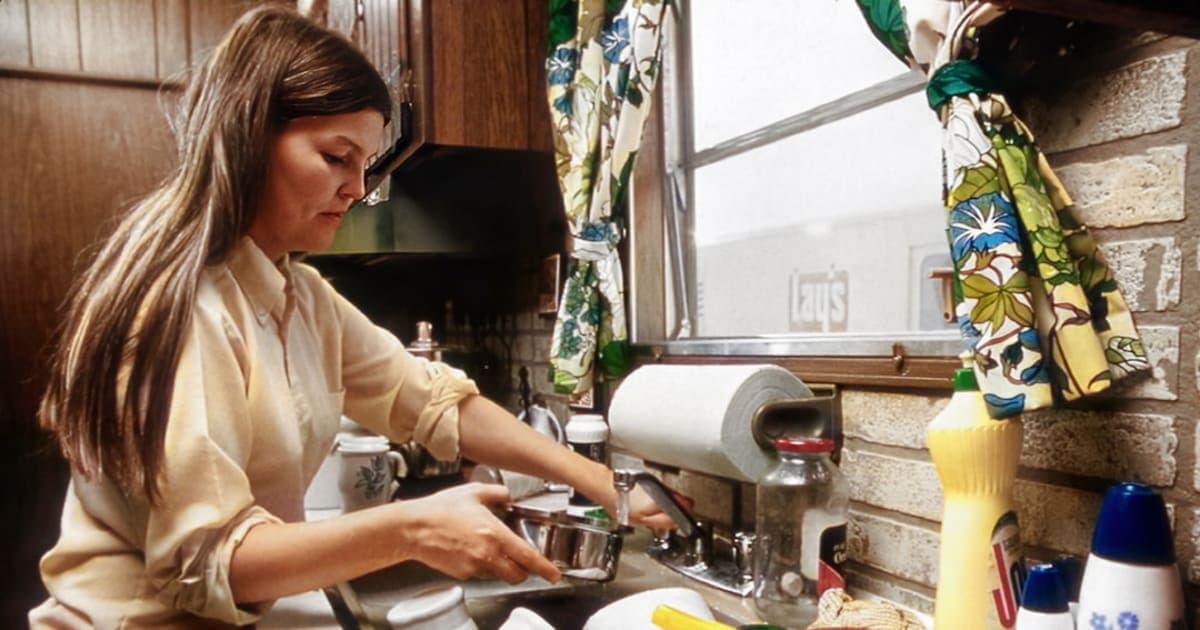
The kitchen is the main battlefield for chametz cleaning. Start by clearing out all chametz food products. Decide what you will use up before Passover, what you will sell, and what you will throw away. Then clean all surfaces, inside cabinets and drawers, the oven, stovetop, microwave, toaster (or put it away), refrigerator, and freezer. Pay special attention to areas where crumbs accumulate: around the stove burners, inside the oven, in the cracks between countertop sections, and inside the silverware drawer.
After cleaning, many families cover their countertops and shelves with fresh shelf liner or aluminum foil before placing Passover dishes and cookware. If you plan to kasher your oven or any utensils, that step comes after the cleaning is complete.
Dining Room and Eating Areas
Anywhere food is regularly eaten needs careful attention. Clean under and around the dining table and chairs. Check between chair cushions and under seat pads. Wipe down table leaves and any crevices. If you have a china cabinet, check inside for any chametz items stored there.
Living Room and Family Room
If your family eats snacks in the living room (and whose family does not?), you need to check this area carefully. Pull cushions off the couch and vacuum thoroughly. Check under furniture. Look in and around any coffee tables where snacks may have been placed. A quick vacuum and a check of all surfaces should be sufficient.
Bedrooms
If food is eaten in bedrooms, clean them. If not, a quick check is all that is needed. For children's rooms, check under beds, in drawers where snacks might be hidden, and in toy boxes. Children have an extraordinary talent for stashing food in unexpected places.
Bathrooms
You may be surprised to learn that some bathroom products contain chametz. Certain toothpastes, mouthwashes, and medications may contain grain-derived ingredients. While the laws about non-food chametz products are nuanced, many families switch to verified kosher-for-Passover toothpaste and mouthwash. Consult your rabbi or a reliable kosher-for-Passover product guide for specifics.
Car
The car is a major chametz zone, especially if you have children. Crumbs, snack wrappers, and half-eaten granola bars lurk in car seats, cup holders, between seats, and in door pockets. Our car cleaning checklist covers every spot you need to check.
Office, Backpacks, and Bags
Check your work bag, handbag, laptop bag, and children's backpacks. Look in coat pockets (especially winter coats that have not been worn in a while). Check desk drawers at home where you might store snacks. If you have a locker or desk at work, clean that too.
Bedikat Chametz: The Final Search
On the night before the Seder (or two nights before if the Seder falls on Saturday night), the family performs bedikat chametz, the formal search for chametz. This is done after nightfall, by the light of a candle. Traditionally, ten pieces of bread wrapped in paper or foil are hidden around the house beforehand, so the search is guaranteed to find something.
The search is conducted with a candle (for illumination), a feather (to sweep crumbs), a wooden spoon (to collect them), and a paper bag (to hold everything). Before beginning, a blessing is recited. After the search, any chametz found is set aside together with the implements and burned the next morning.
This ritual is one of the most charming family activities of the Passover preparation period. Children love the treasure-hunt aspect of searching by candlelight, and it creates a beautiful memory of anticipation for the holiday ahead.
Biur Chametz: Burning the Chametz
The next morning (the morning before the Seder), the chametz collected during the search is burned. This is biur chametz. After burning it, a declaration is recited nullifying all chametz that may remain in your possession, whether you know about it or not. This declaration is an important halachic (legal) step, as it covers any chametz you may have missed during your cleaning and search.
There is typically a deadline by mid-morning for eating the last chametz (usually around 10:00-10:30 AM, depending on the year and location). After that time, no chametz may be eaten. A later deadline (usually around 11:00-11:30 AM) marks when all chametz must be burned, sold, or otherwise removed from your possession.
What About Things That Cannot Be Cleaned?
Some items in your home may have chametz that is very difficult to clean out completely, such as a toaster, a bread machine, or certain types of cookware. The simplest approach is to put these items away in a sealed cabinet or closet for the duration of Passover. If you are selling your chametz through your rabbi, these items can be included in the sale and stored in the sealed area with your sold chametz.
Practical Tips for an Efficient Clean
Start early. Begin four to six weeks before Passover with rooms that are easiest to clean. Work your way toward the kitchen, which needs the most time and attention.
Make a plan. Write a list of every room and area that needs attention. Check them off as you go. This prevents duplication of effort and ensures nothing is missed.
Involve the whole family. Assign age-appropriate tasks to children. Even young kids can wipe down low shelves or check their own backpacks. This teaches them the importance of the mitzvah and makes the work go faster.
Use up chametz in advance. In the weeks before Passover, try to use up chametz products in your pantry and freezer. Plan meals that feature pasta, bread, and cereal so you have less to dispose of or sell.
Keep perspective. If you find a crumb under the stove that is clearly old, dried out, and inedible, it is no longer halachically considered chametz. You do not need to disassemble your appliances or tear apart your walls. The Torah's concern is with edible chametz in meaningful quantities.
The Spiritual Dimension
The process of cleaning for chametz offers a powerful metaphor for self-reflection. As you search your home for hidden crumbs, consider the hidden "chametz" in your own character: the habits, attitudes, and patterns that have become inflated beyond their proper size. Passover is a time of renewal and liberation. The physical cleaning can become a catalyst for inner cleaning as well.
Many people find that the process of preparing for Passover, which can feel burdensome at first, gradually becomes meaningful and even joyful as the holiday approaches. There is a deep satisfaction in knowing that you have prepared your home with care and intention. Each cleaned surface, each removed crumb, is a step closer to the freedom and renewal that Passover represents.
For more Passover preparation guidance, see our articles on kashering your oven, selling chametz, and the Seder plate explained.