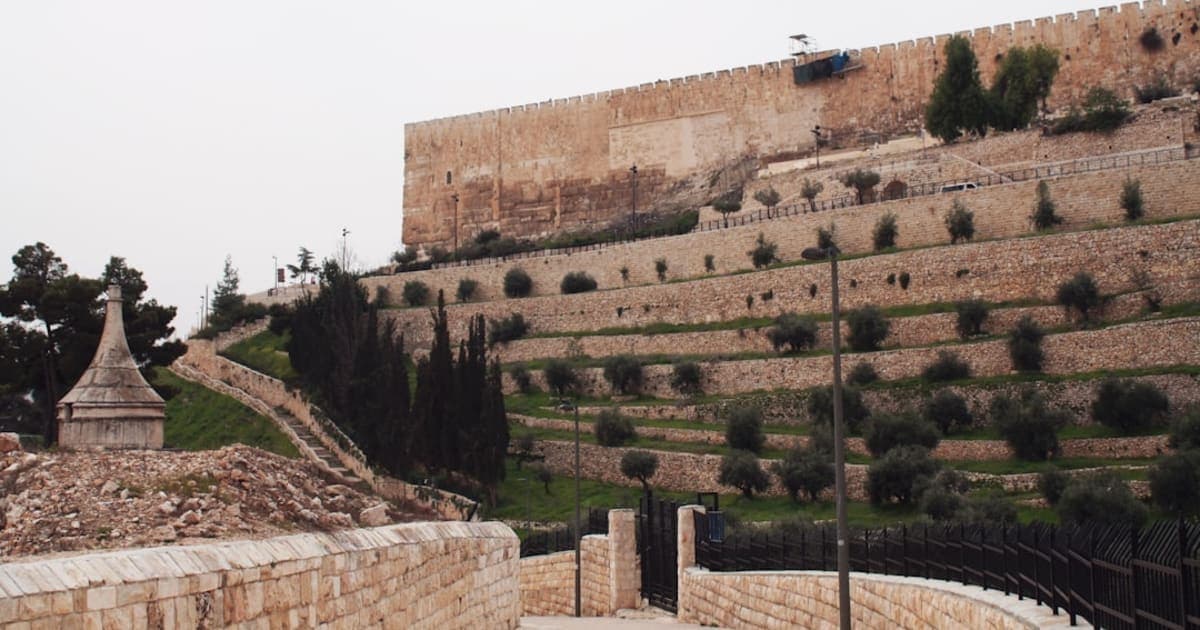
Asara B'Tevet: The Siege of Jerusalem
Asara B'Tevet: The Siege of Jerusalem
How does a siege begin? Not with a dramatic battle, but with a slow encirclement, a closing of doors, a cutting off of supplies and hope. The fast of Asara B'Tevet (the Tenth of Tevet) commemorates the day when the Babylonian king Nebuchadnezzar began his siege of Jerusalem in 588 BCE. This siege would eventually lead to the destruction of the First Temple and the exile of the Jewish people, one of the most devastating events in Jewish history.
The Historical Event
On the tenth of Tevet, Nebuchadnezzar's armies surrounded Jerusalem. The siege lasted approximately two and a half years, during which the city's inhabitants suffered terrible famine and deprivation. The walls were finally breached on the 17th of Tammuz, and the Temple itself was destroyed on Tisha B'Av. Asara B'Tevet marks the beginning of this chain of events, the moment when the tragedy was set in motion.
The Fast
Asara B'Tevet is one of the four minor fast days connected to the destruction of the Temple (along with the 17th of Tammuz, the Fast of Gedaliah, and Tisha B'Av). The fast lasts from dawn until nightfall. Only eating and drinking are prohibited; the other afflictions of Yom Kippur do not apply. Pregnant women, nursing mothers, and those who are ill are exempt from fasting.
Special prayers are added to the morning and afternoon services, including Selichot and the Torah reading about Moses pleading for forgiveness after the golden calf. The Haftarah for the afternoon reading is the same passage of consolation read on other fast days.
Unique Aspects
Asara B'Tevet has a unique distinction: it is the only minor fast that can fall on a Friday (erev Shabbat). When this happens, we fast right up until Shabbat begins, which is unusual because generally we avoid entering Shabbat in a state of deprivation. This highlights the special severity that the rabbis attached to this fast.
Modern Significance
The Israeli Chief Rabbinate designated the tenth of Tevet as a day of general Kaddish for the victims of the Holocaust, especially for those whose date of death is unknown. This adds a contemporary layer of mourning to the ancient fast, connecting the Babylonian siege to the modern experiences of Jewish suffering and resilience.
The Deeper Meaning
Asara B'Tevet teaches that catastrophes do not happen overnight. The siege was the beginning of a process that unfolded over years. The seeds of the Temple's destruction were sown long before the armies arrived, in the form of baseless hatred, corruption, and spiritual decline among the Jewish people. By fasting on the day the siege began, we acknowledge that the moment of crisis was also the moment when change was still possible. The siege could have been avoided. The destruction was not inevitable.
This message is deeply relevant today. In our personal lives and in our communities, we often see the warning signs before a crisis hits. Asara B'Tevet asks us to pay attention to those signs, to take corrective action before the walls are breached and the damage is done.
For more on related topics, see our guides to the Three Weeks, Tisha B'Av, and the Jewish holiday cycle.